

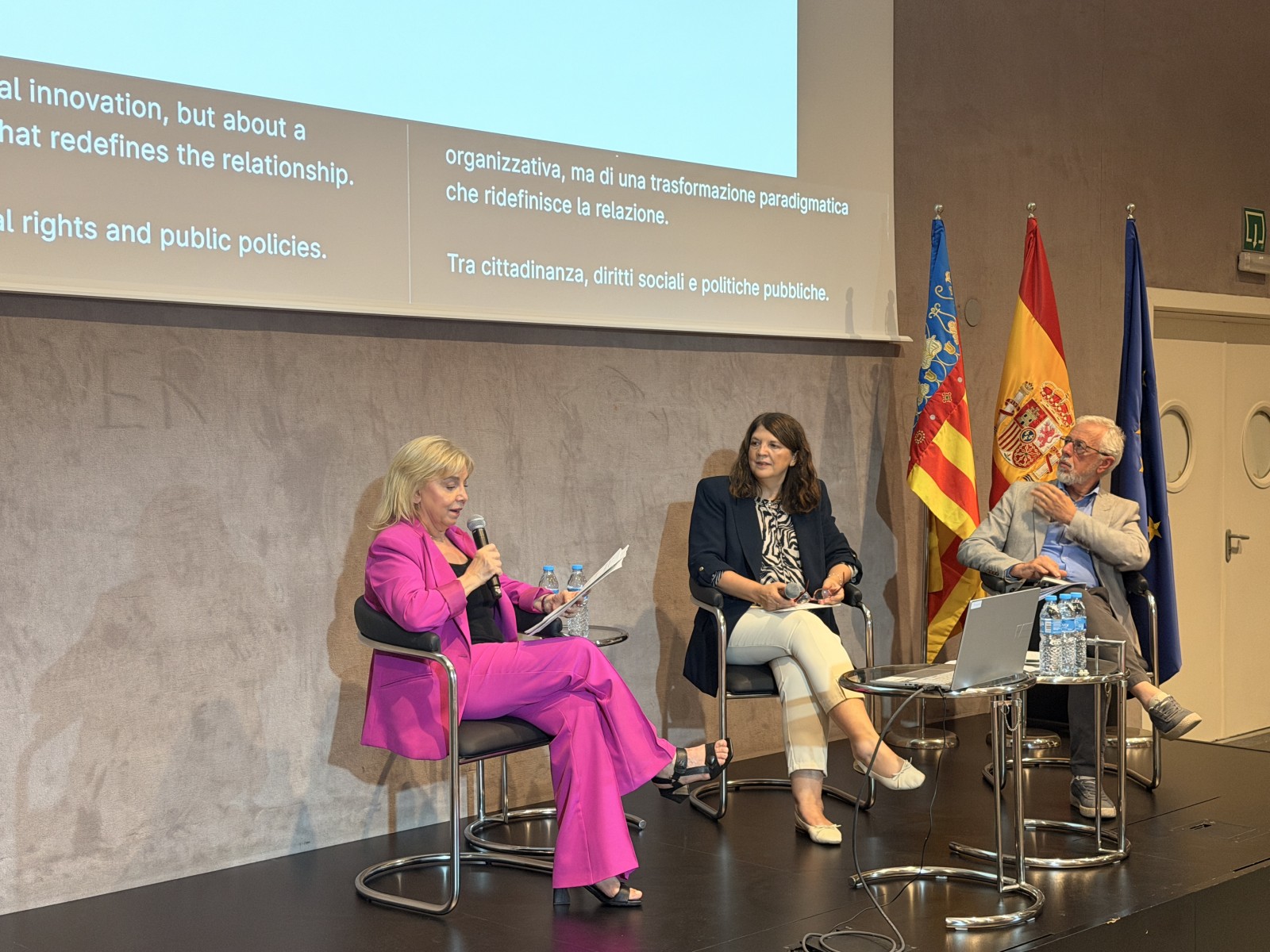
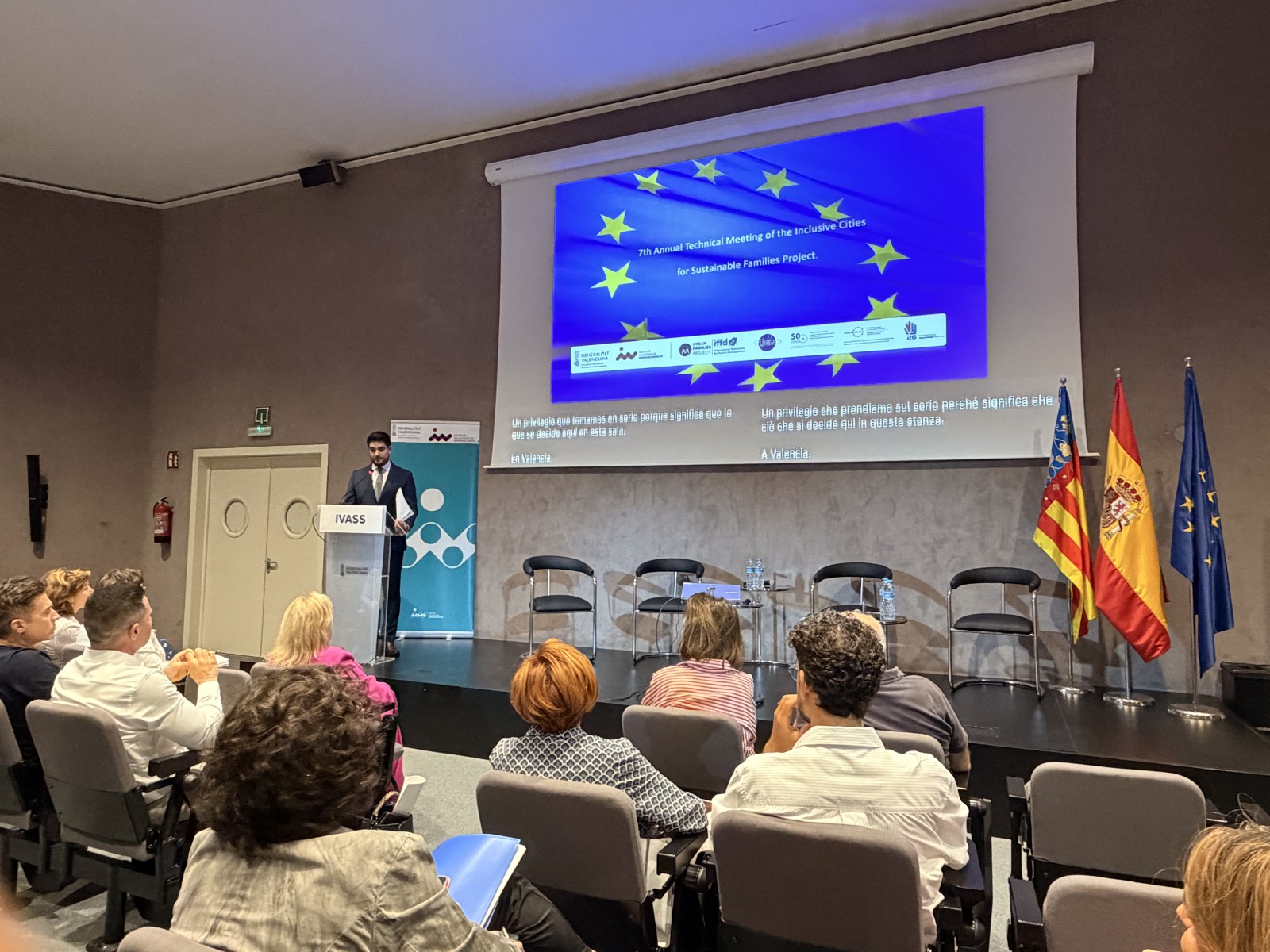
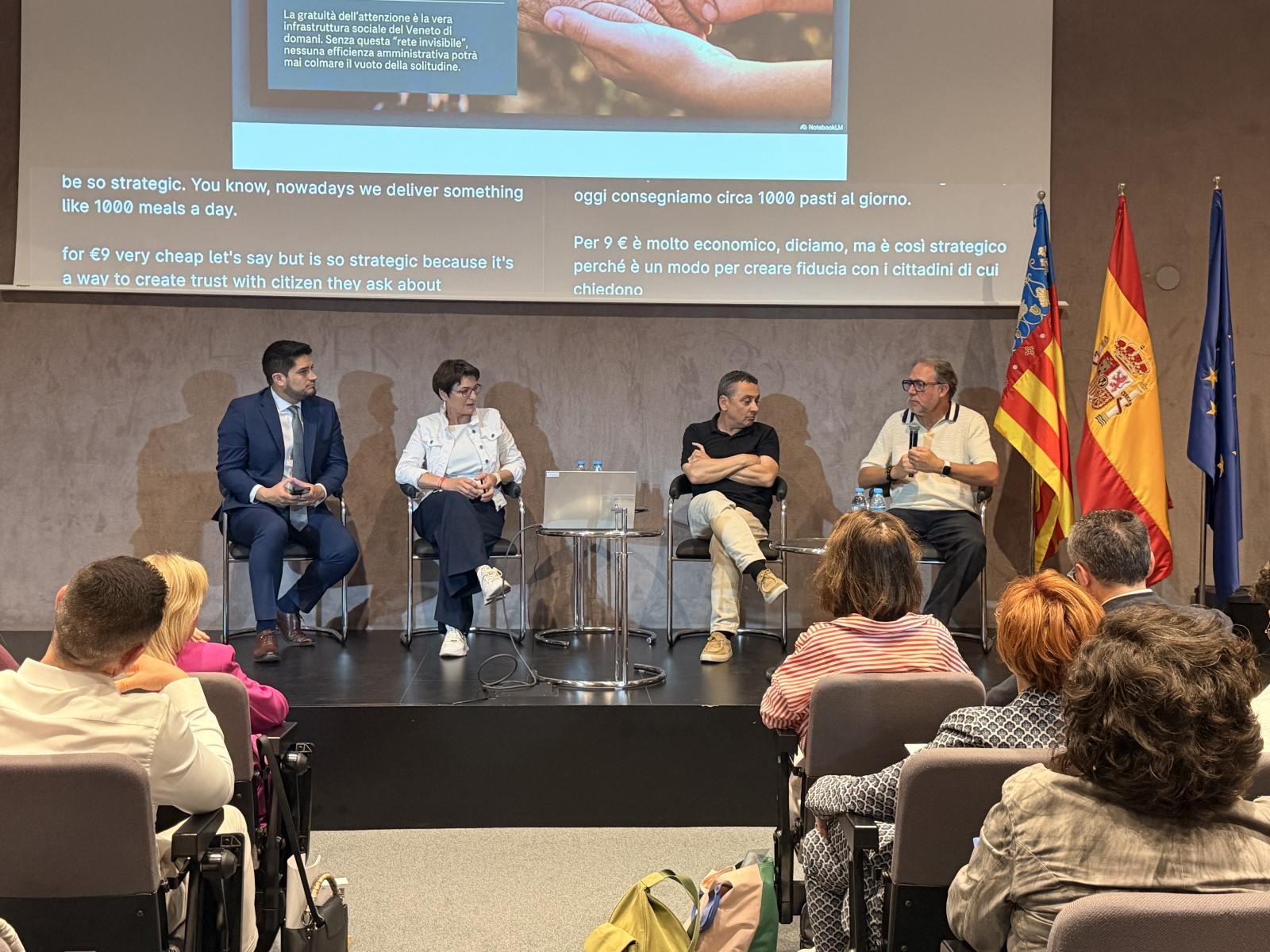
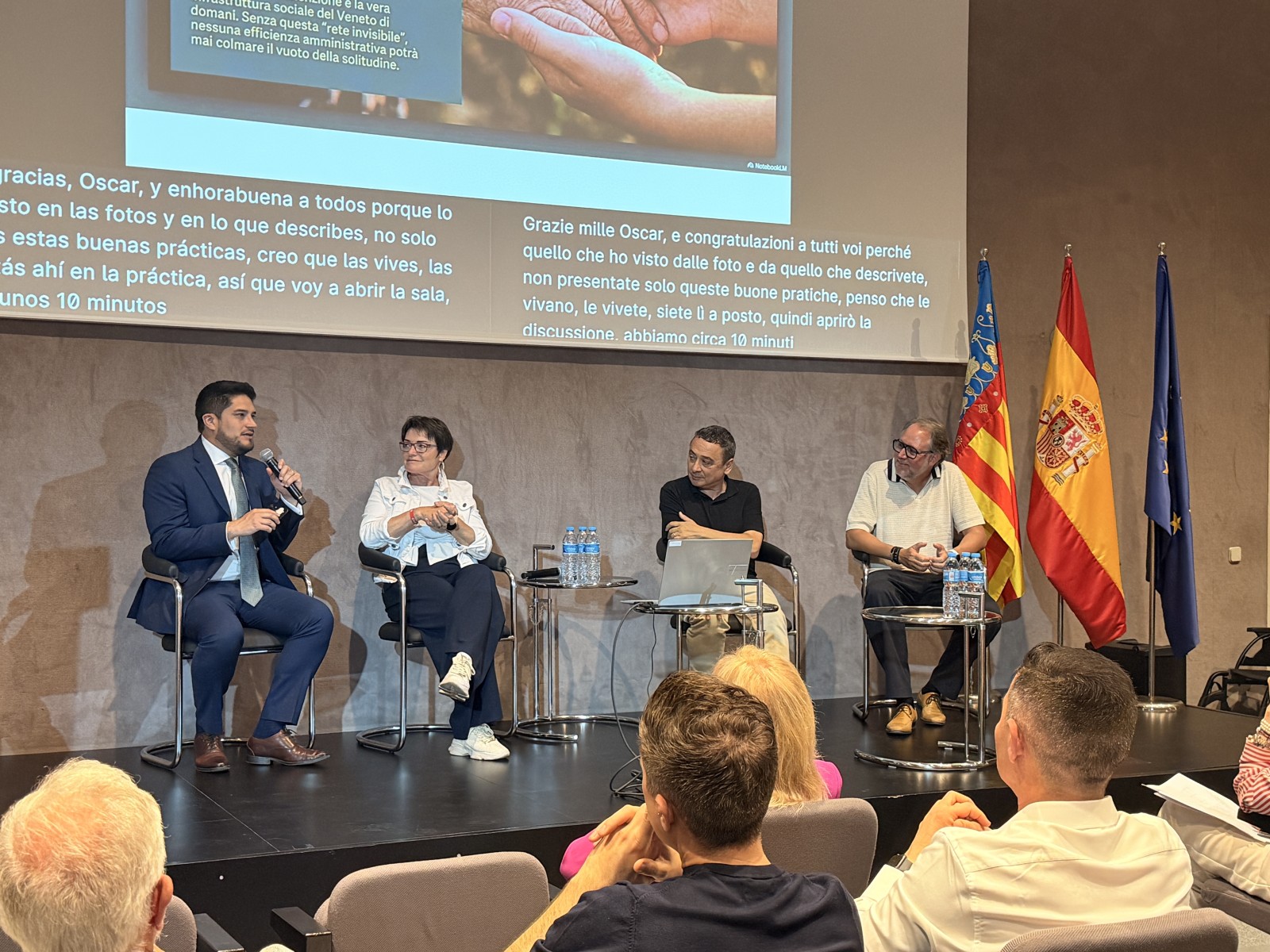
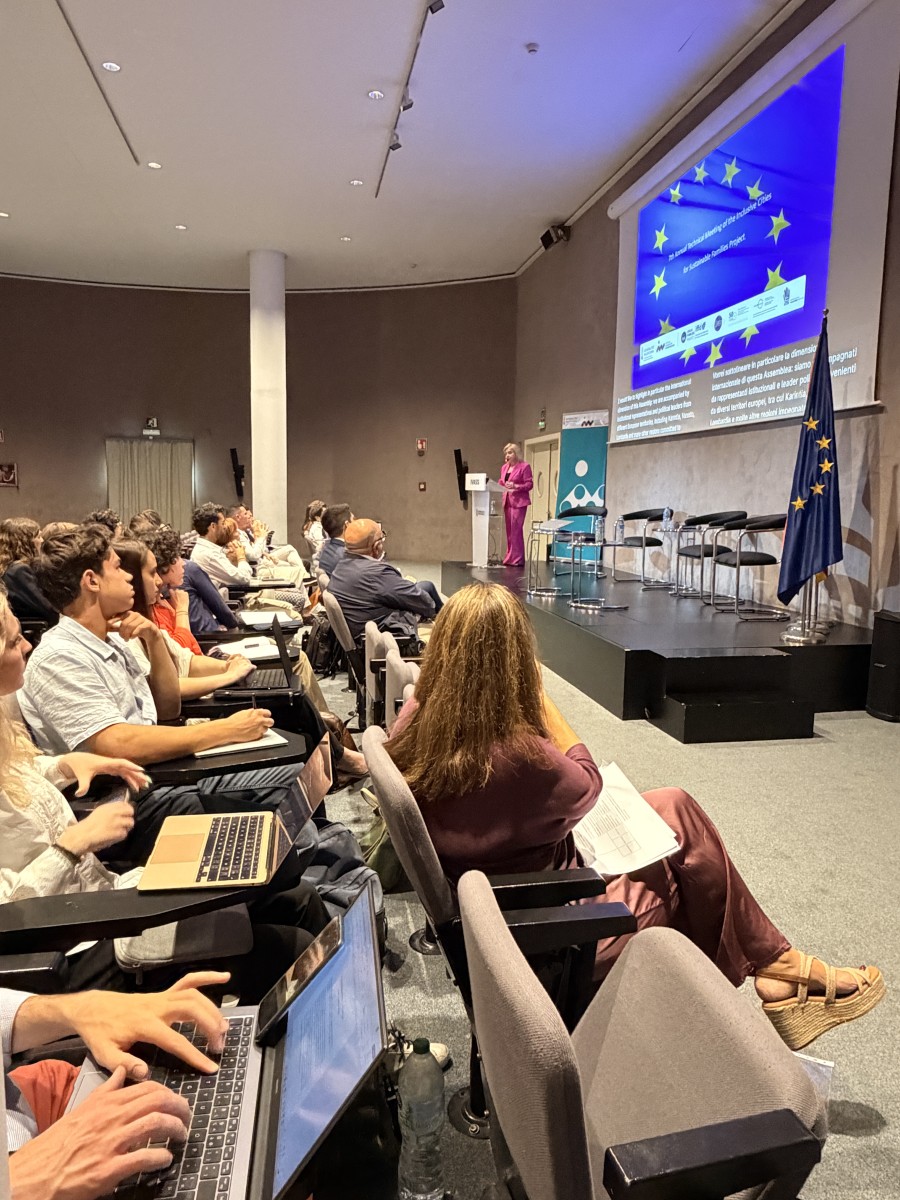
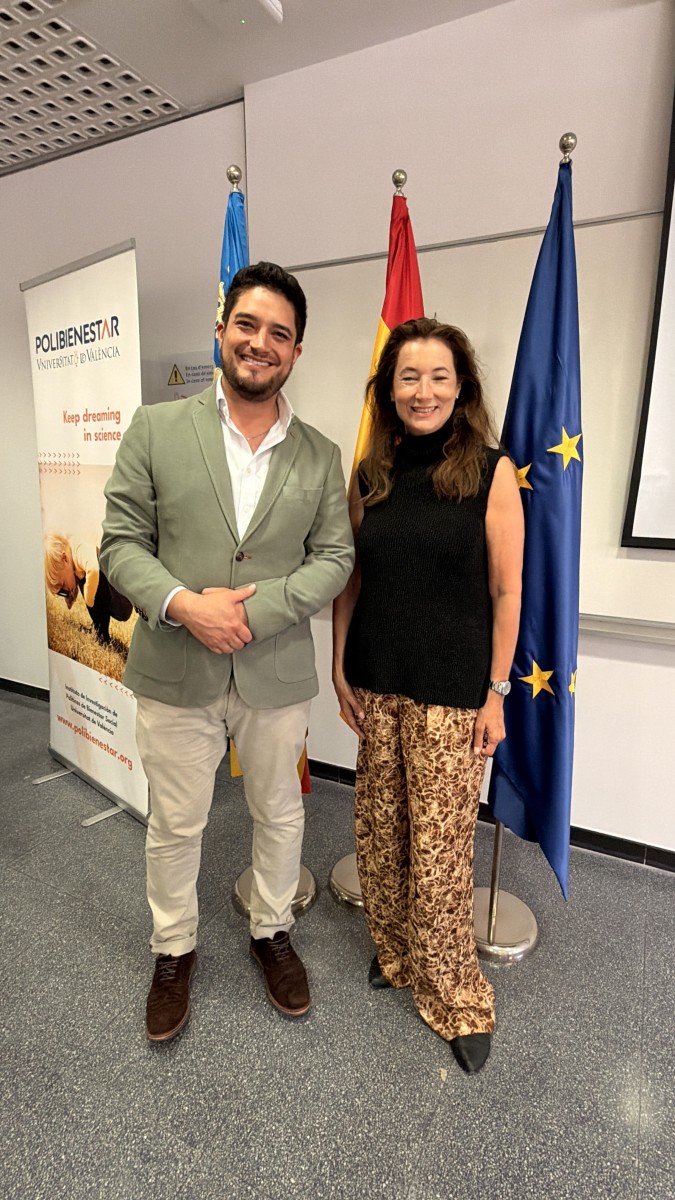
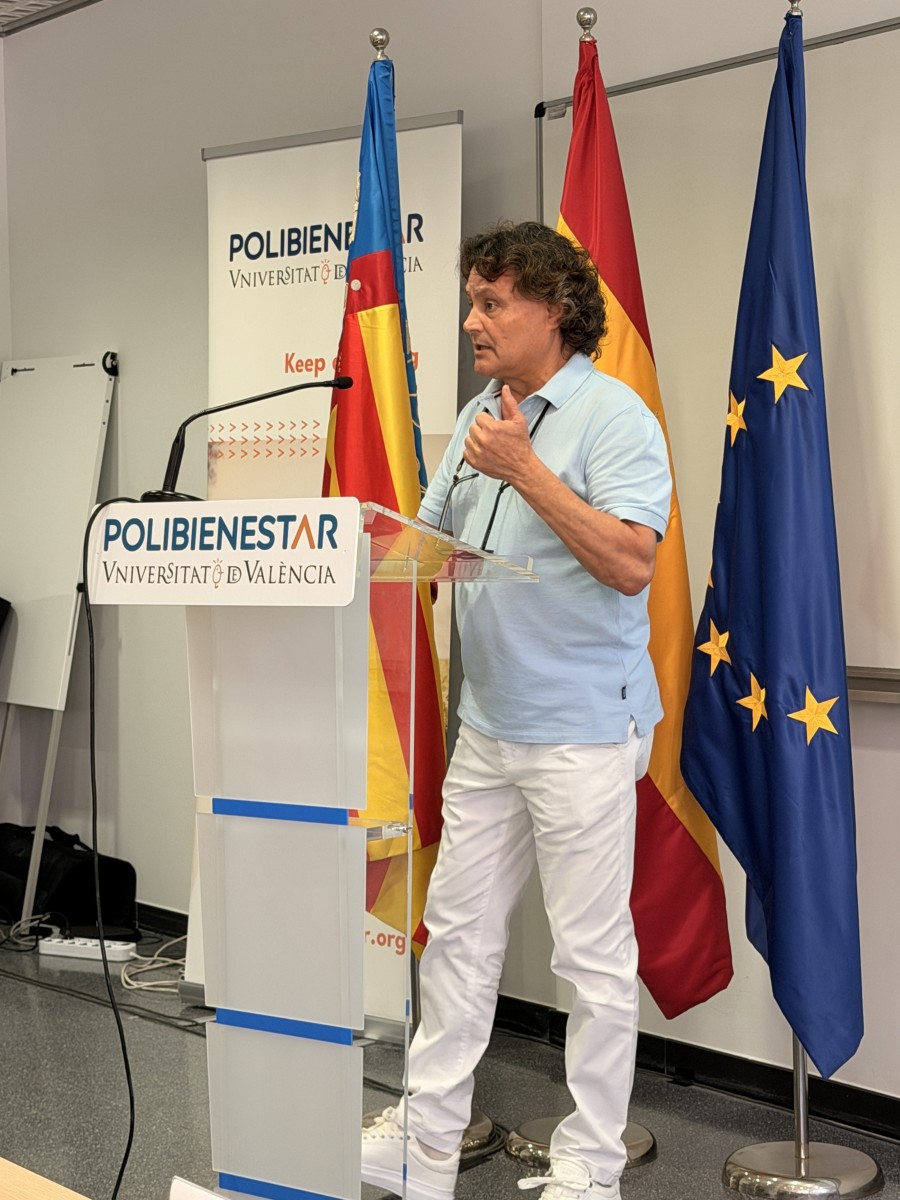
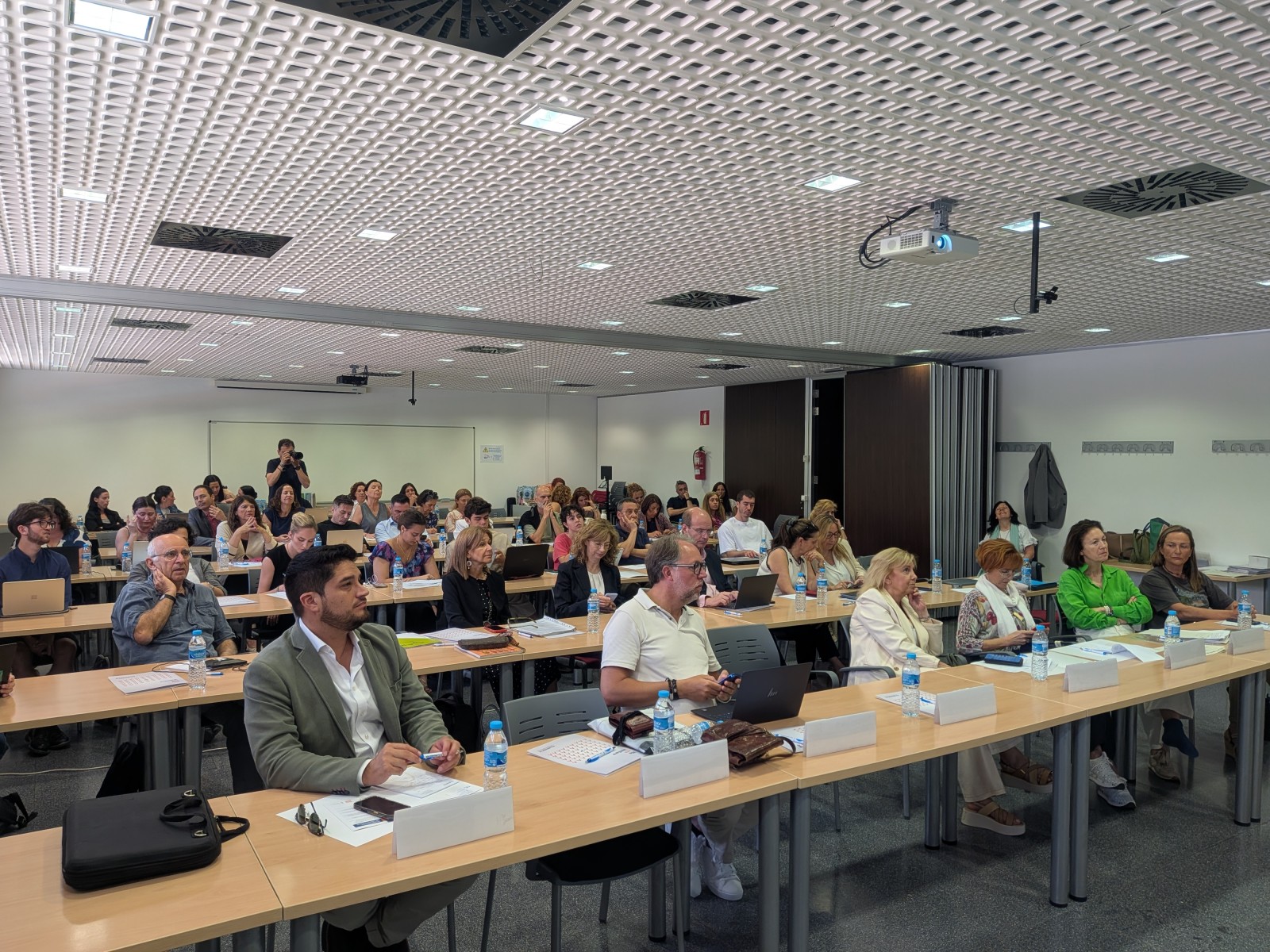
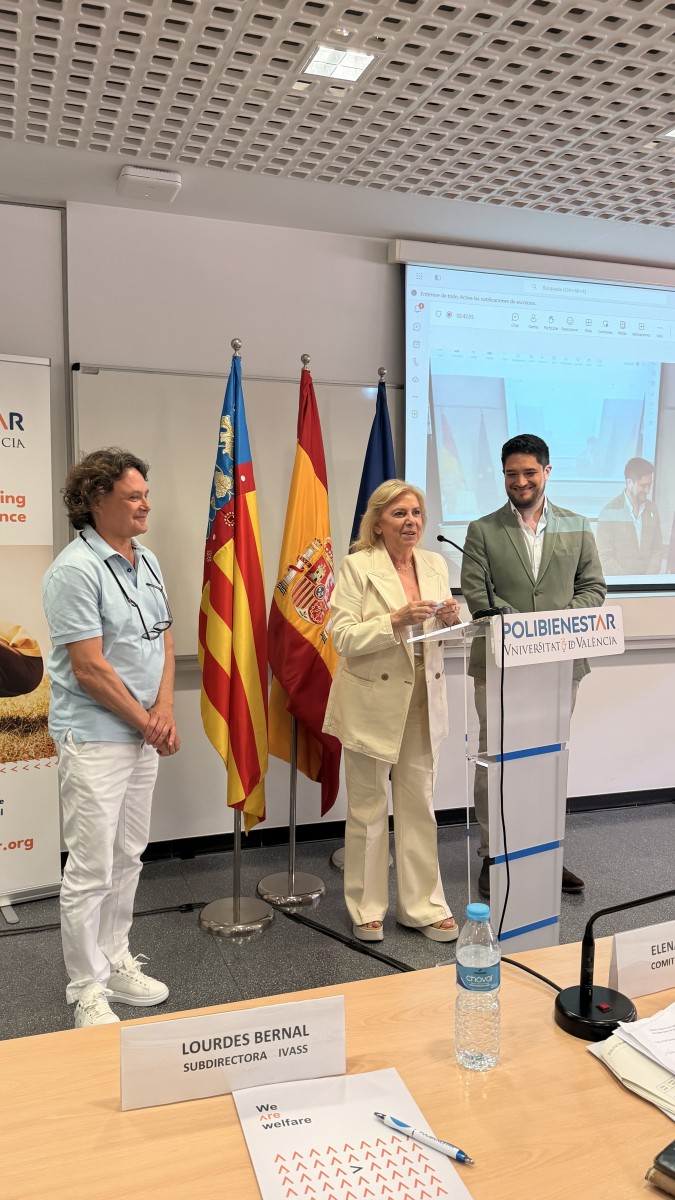
Valencia, Spain — 15–17 June 2026. The International Federation for Family Development (IFFD) and the ELISAN Network — the European Local Inclusion and Social Action Network and European Delegate of the Inclusive Cities for Sustainable Families Project — came together in Valencia for a landmark three-day event under the theme “Urban Development: Ageing, Healthy Habits and New Technologies.” The gathering combined the 7th Annual Technical Meeting of the Project, the ELISAN General Assembly, and a closing academic day at the Polibienestar Research Institute of the University of Valencia — a powerful illustration of how the IFFD–ELISAN partnership turns global commitments into policies that families actually experience.
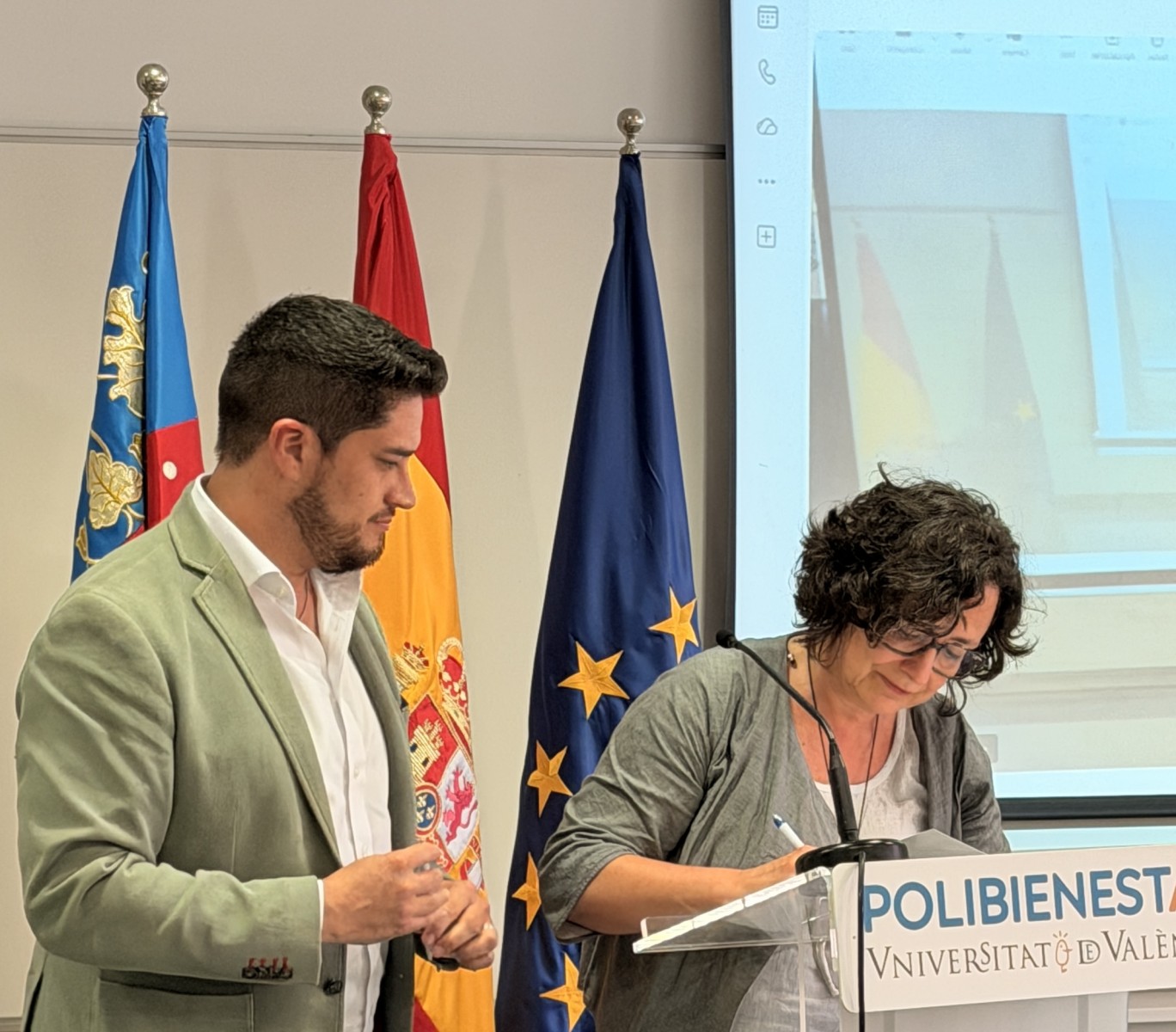
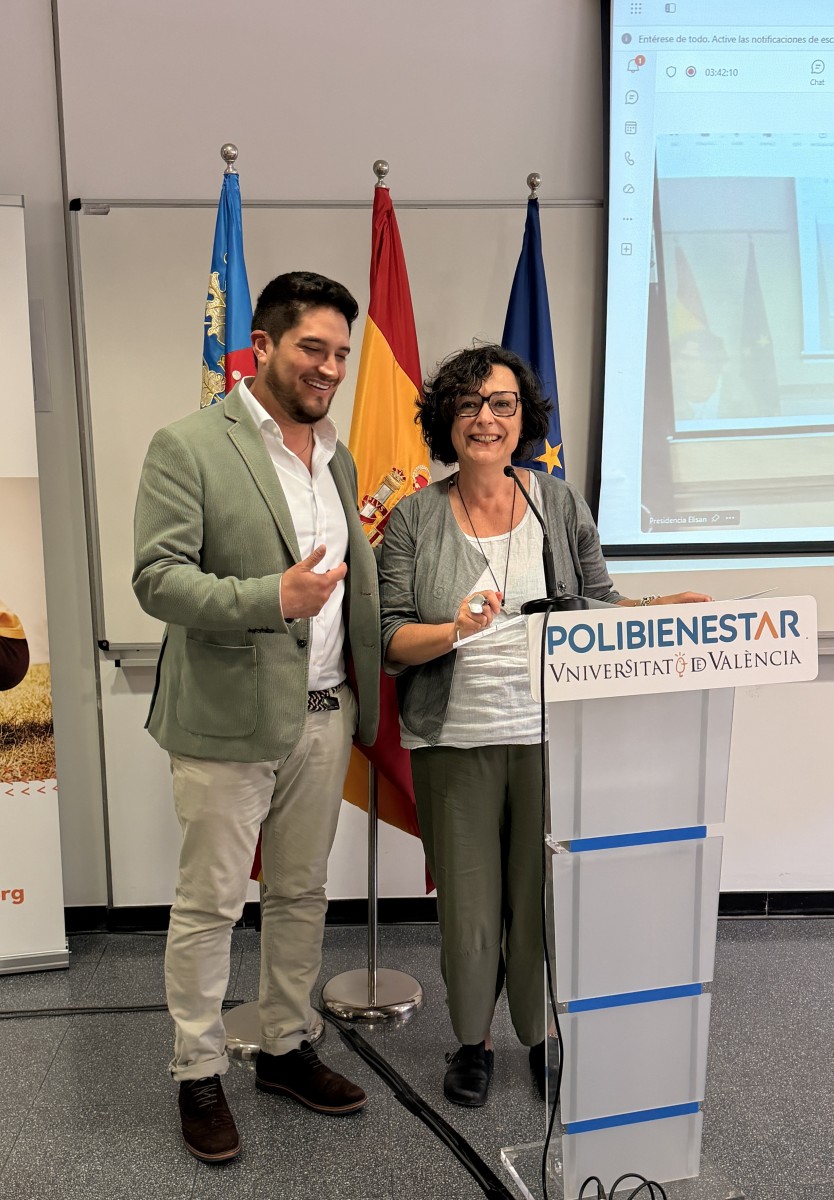
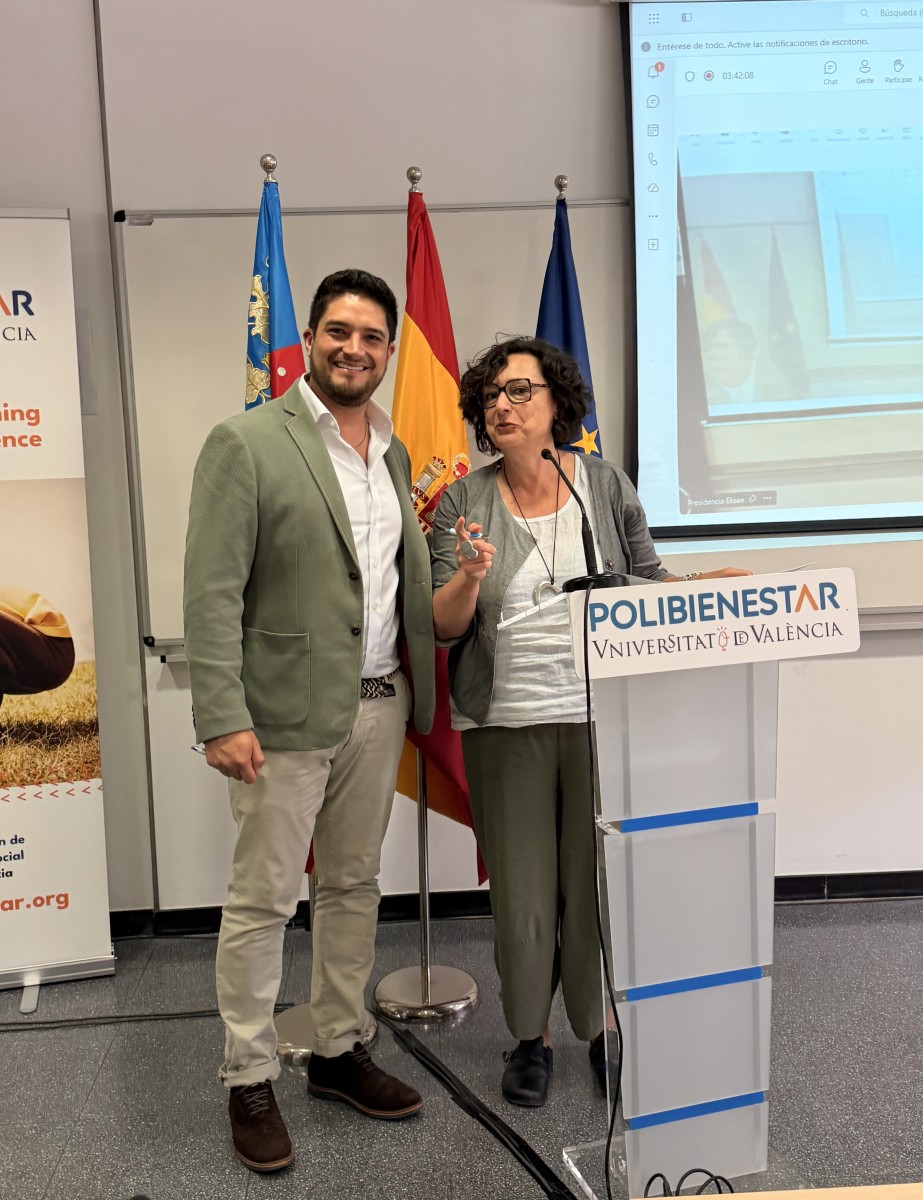
The collaboration was embodied from the very first minutes, when José Alejandro Vázquez, IFFD Director of International Relations, opened the meeting side by side with María José Rico, Director General of IVASS and President of ELISAN, joined by Roberto Ciambetti, early promoter of the Venice Declaration, and Beate Prettner, Carinthia Regional Councillor and ELISAN Vice President. In his opening speech, Vázquez described ELISAN as “the bridge” that brings the voices of European regions like Veneto and Valencia into dialogue with cities and provinces from Colombia, Argentina and Brazil — and paid tribute to Elena Curtopassi of the ELISAN Steering Committee, whose persistent work keeps the network alive between meetings and ensures that good practices travel “from a small municipality in the Veneto all the way to a city hall in Buenos Aires.”
Day 1 — The Technical Meeting: A Record Harvest of Good Practices
The first day, hosted at the IVAM (Instituto Valenciano de Arte Moderno), was devoted to the Technical Meeting of the Inclusive Cities for Sustainable Families Project — and the numbers spoke for themselves: 49 Good Practices received from 6 countries, a record for the Project and a sign of how far the Venice Declaration network, jointly nurtured by IFFD and ELISAN, has grown.
Four Good Practice sessions showcased initiatives from both sides of the Atlantic: community nursing in Carinthia (Austria), disability empowerment and technological innovation from the Generalitat Valenciana, active-community pathways in Friuli Venezia Giulia, the “House of Abilities” in Belluno, comprehensive early childhood plans in Buenos Aires and Cervarese, family strengthening in São Carlos (Brazil), the “Familia vamos adelante” project in Envigado (Colombia), and Cesena’s People Strategy. The moderation itself reflected the partnership at work: IFFD’s Vázquez and Ignacio Socias each led a session, alongside ELISAN’s Elena Curtopassi and Patricia Debeljuh, the Project’s Delegate in Argentina.
“Families do not experience policy at the level of a treaty among countries,” Vázquez reminded participants. “It is the regional and local level that turns declarations into lived reality” — precisely the level where ELISAN, as European Delegate, mobilises its member regions and municipalities.
Day 2 — The ELISAN General Assembly: A Growing European Family
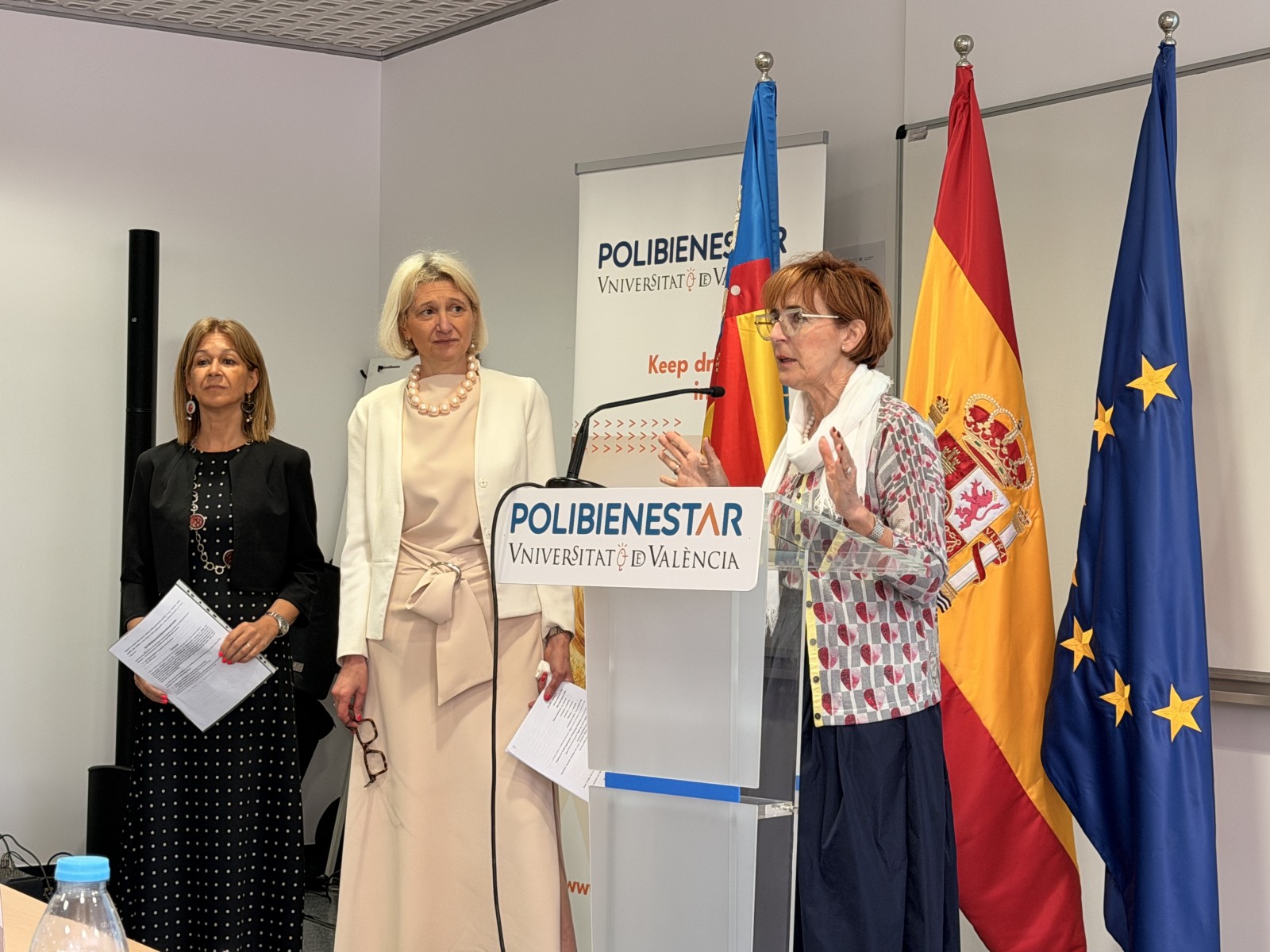
The second day belonged to the ELISAN General Assembly, opened by President María José Rico Llorca with keynote interventions by Professor Jordi Garcés-Ferrer (Polibienestar Institute) and Valencian Regional Councillor Elena Albalat Aguilella, followed by strategic presentations from the network’s Vice-Presidencies: Lombardy, Carinthia, Veneto and Madrid.
The strength of the IFFD–ELISAN alliance was most visible in the Signing Ceremony, where new signatories joined the Venice Declaration — the Municipality of Belluno, the Unione dei Comuni Valle del Savio, Cava Costa d’Amalfi, the Comunidad de Madrid and the Municipality of Cervarese — while ELISAN welcomed a wide cohort of new members in its “Professional of the Sector” and “Expert” categories, including several Valencian universities and the Polibienestar Institute itself. Each new signature widens the shared network through which the two organisations advance family-centred inclusion across Europe.
Two policy roundtables followed — on policy innovations to empower persons with disabilities, and on regional, city and expert experiences to advance inclusion, the latter moderated by IFFD’s Vázquez. In the activities-report session, Vázquez presented IFFD’s work alongside ELISAN partners from across Europe, before President Rico closed the Assembly with remarks on the way forward.
The Assembly was also the occasion to highlight a third pillar of the collaboration: the work of the IPC. Throughout the year, a group of IPC students from Paris — working hand in hand with IFFD under the coordination of Ignacio Socias — has accompanied signatories of the Venice Declaration and ELISAN member regions and municipalities in designing, implementing and evaluating family-friendly policies. Their contribution brings academic energy and analytical rigour to the network’s fieldwork, helping local governments turn the commitments they sign into measurable practice — exactly the kind of practice celebrated in the day’s Signing Ceremony. The IFFD–ELISAN–IPC triangle thus closes the loop between political commitment, technical support and evaluation on the ground.
Day 3 — Polibienestar: Research Feeding the Partnership
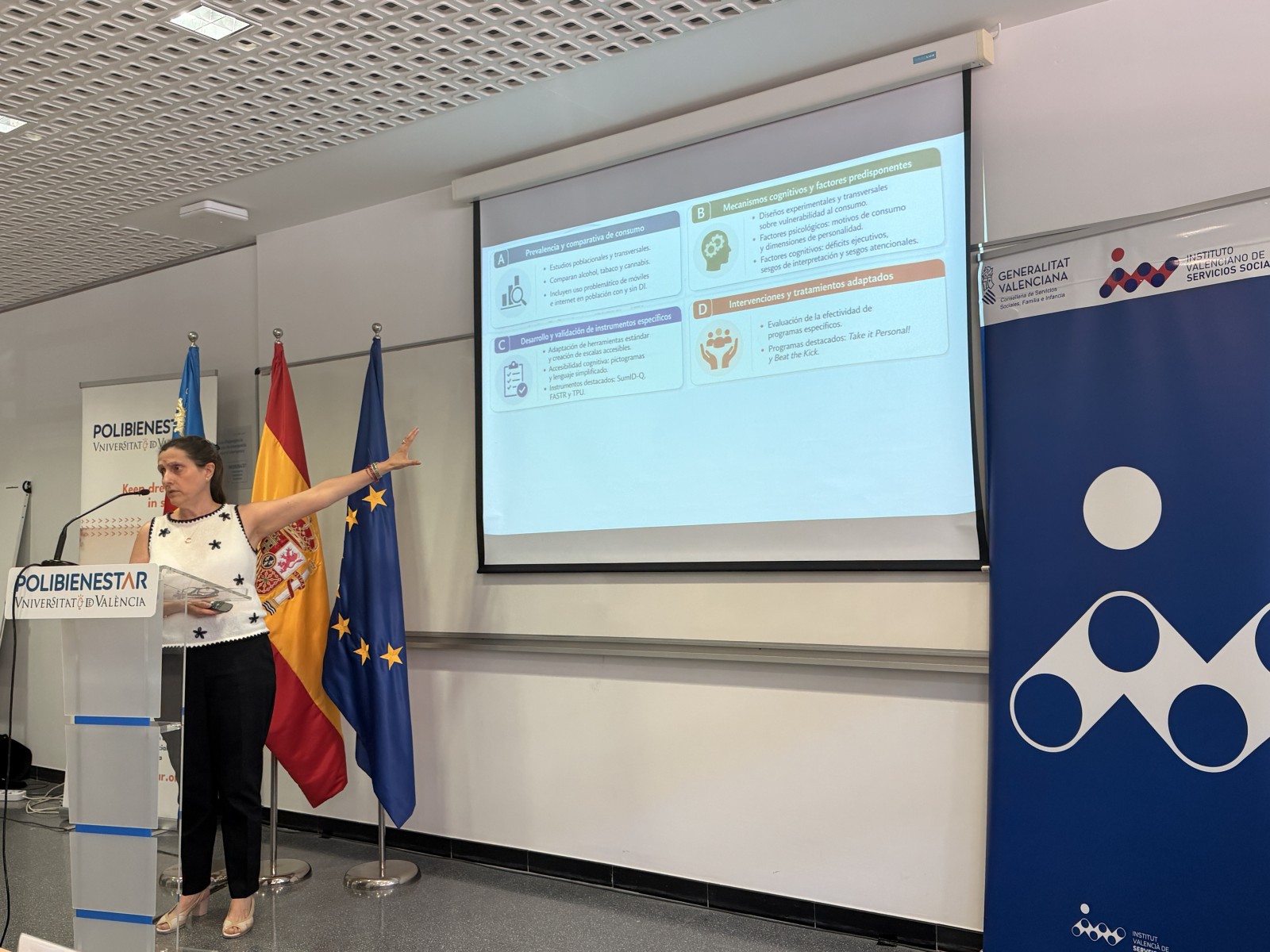
The final day moved to the Polibienestar Research Institute of the University of Valencia — one of ELISAN’s newest expert members — where the focus shifted from practice to research. A session on addictions gathered contributions from six Valencian universities, including Polibienestar’s YOUNGMOB project on youth mobile-phone addiction, work on early detection through data science, and studies on addictive behaviours and digital inclusion among persons with intellectual disabilities. An open dialogue on challenges and the roadmap ahead, led by Professor Garcés-Ferrer, closed the event with contributions from the Federico II University of Naples, Friuli-Venezia Giulia and Ca’ Foscari University of Venice.
From Valencia to United Nations in New York
What binds the three days together is what makes the IFFD–ELISAN collaboration unique: a complete pipeline from local practice to global policy. The good practices exchanged in Valencia will feed into the Annual Monitoring Report, which — thanks to IFFD’s General Consultative Status with ECOSOC and its permanent presence at the United Nations — will be presented at UN Headquarters in New York during the Observance of World Cities Day on 31 October, following up on the II World Summit on Social Development held in Doha.
As Vázquez put it in his opening address: “What is decided here, in this room, in Valencia, does not stay in Valencia. It travels to New York, and it informs the global conversation on cities, ageing, disability and families.” With ELISAN as its European Delegate connecting regions and municipalities, and IFFD carrying their voices to the United Nations, the Valencia meeting confirmed a partnership in which each organisation makes the other’s mission possible.
More info at: https://familyperspective.org/2026/02/13/7th-annual-technical-meeting-inclusive-cities-for-sustainable-families-valencia-spain/
News Articles:
https://comunica.gva.es/va/detalle?id=411217386&site=399374109
https://x.com/GVAivass/status/2066452566062280878
https://x.com/GVAivass/status/2066512876500574400
https://www.instagram.com/p/DZpogVQCObL/?igsh=cWNtN2FybmV4Ym01&img_index=5
https://x.com/GVAivass/status/2067146660568772998?s=20
https://x.com/GVAivass/status/2067199159585702013