


Toward an African Solutions Framework
Family Policy and Social Protection
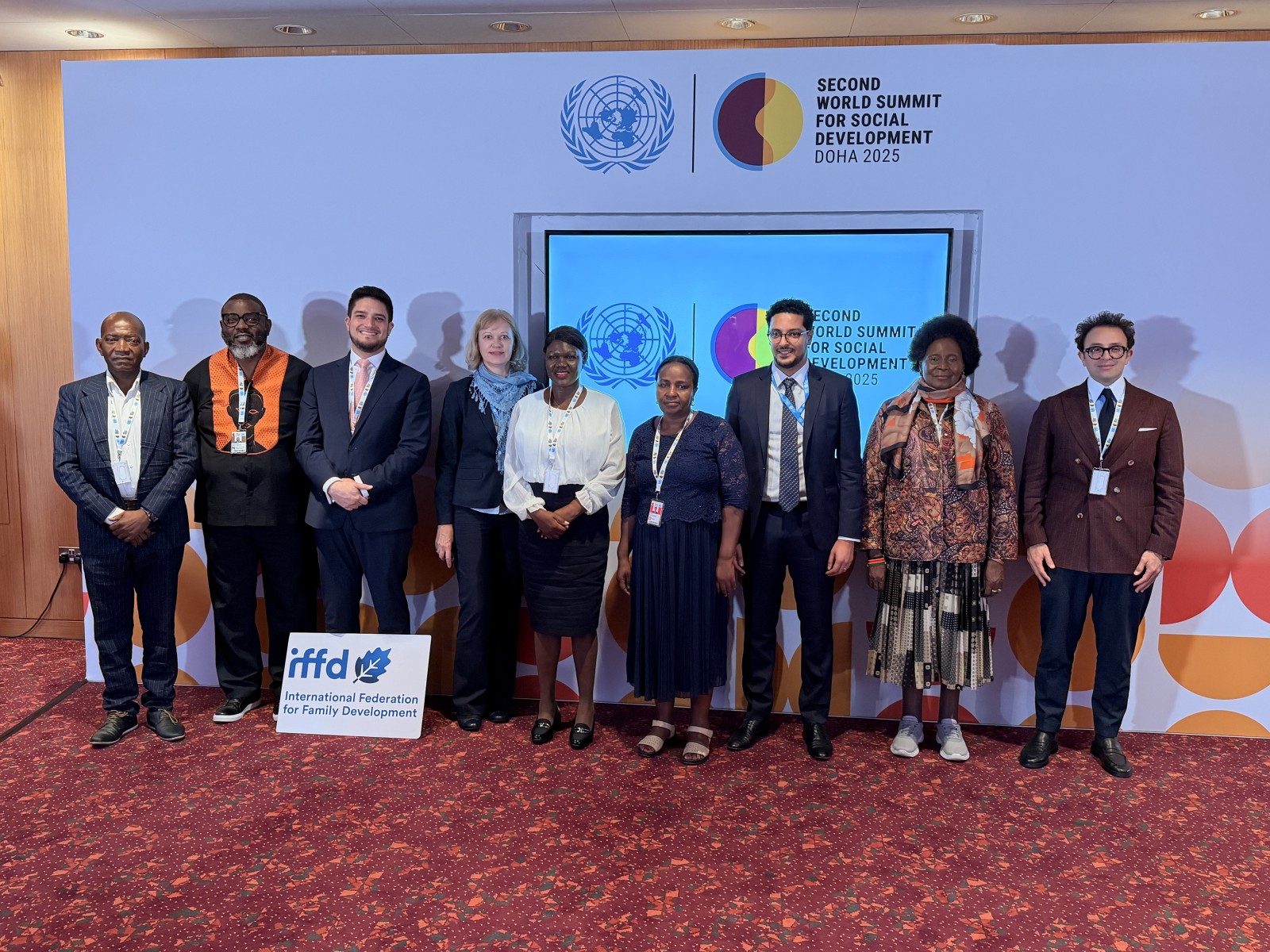
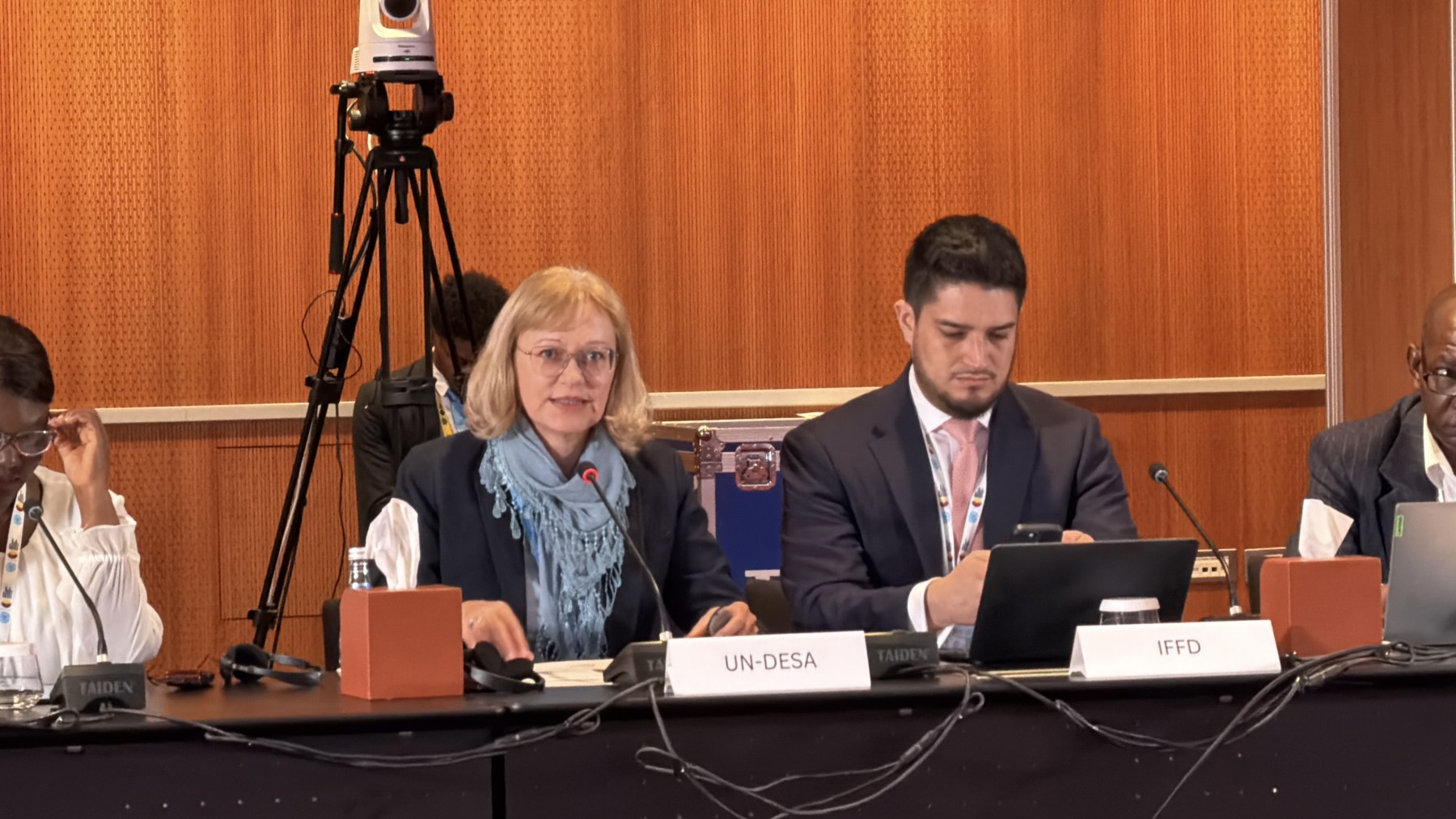
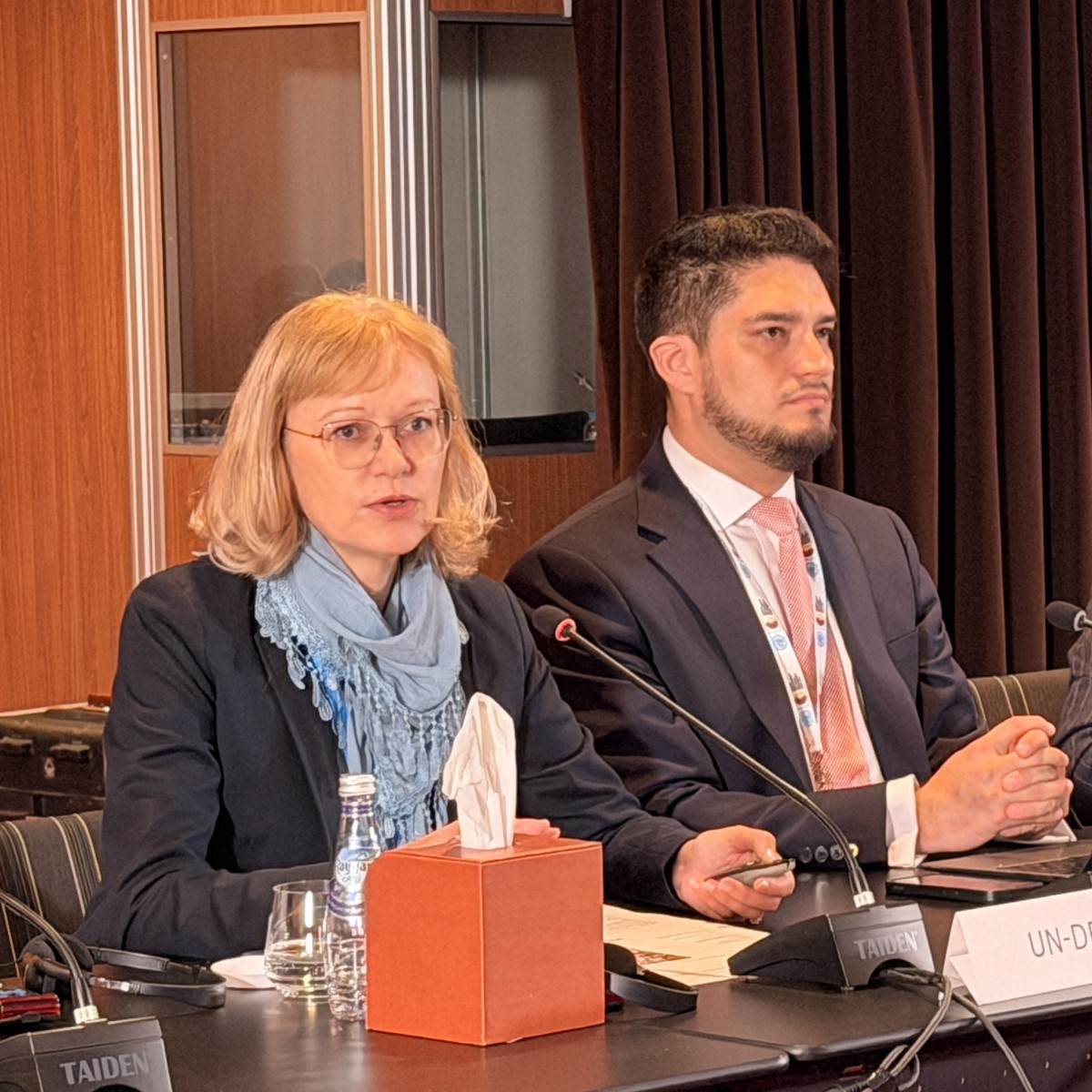
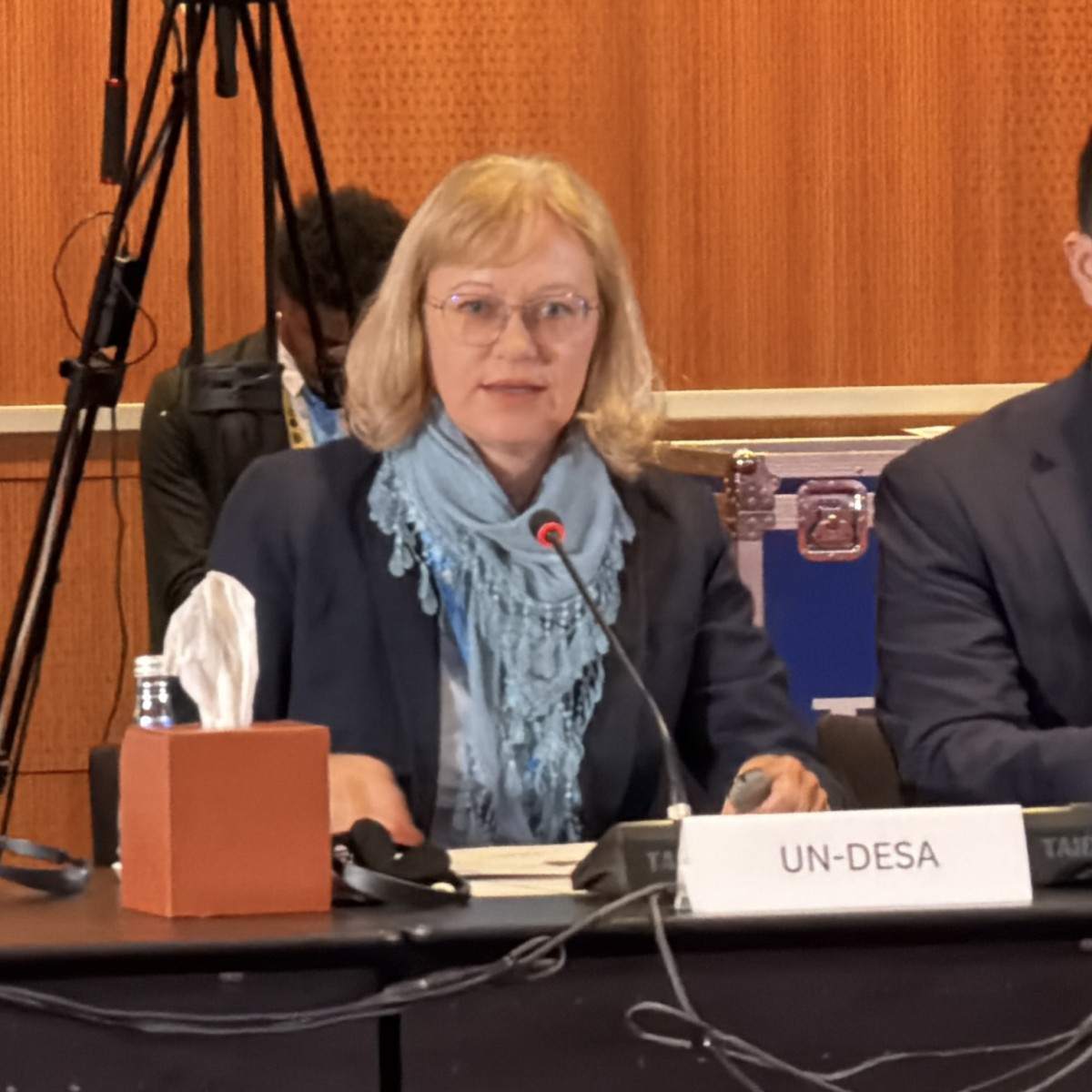
Solution Session at the World Summit on Social Development
Thursday, November 6th, 2025 – 11:30am
Room 104, Qatar National Convention Centre (Doha, Qatar)
Co-sponsored by
the Government of the Democratic Republic of Congo to the United Nations,
the Government of the Republic of Kenya to the United Nations,
the Division of Inclusive Social Development of UN-DESA,
and the International Federation for Family Development
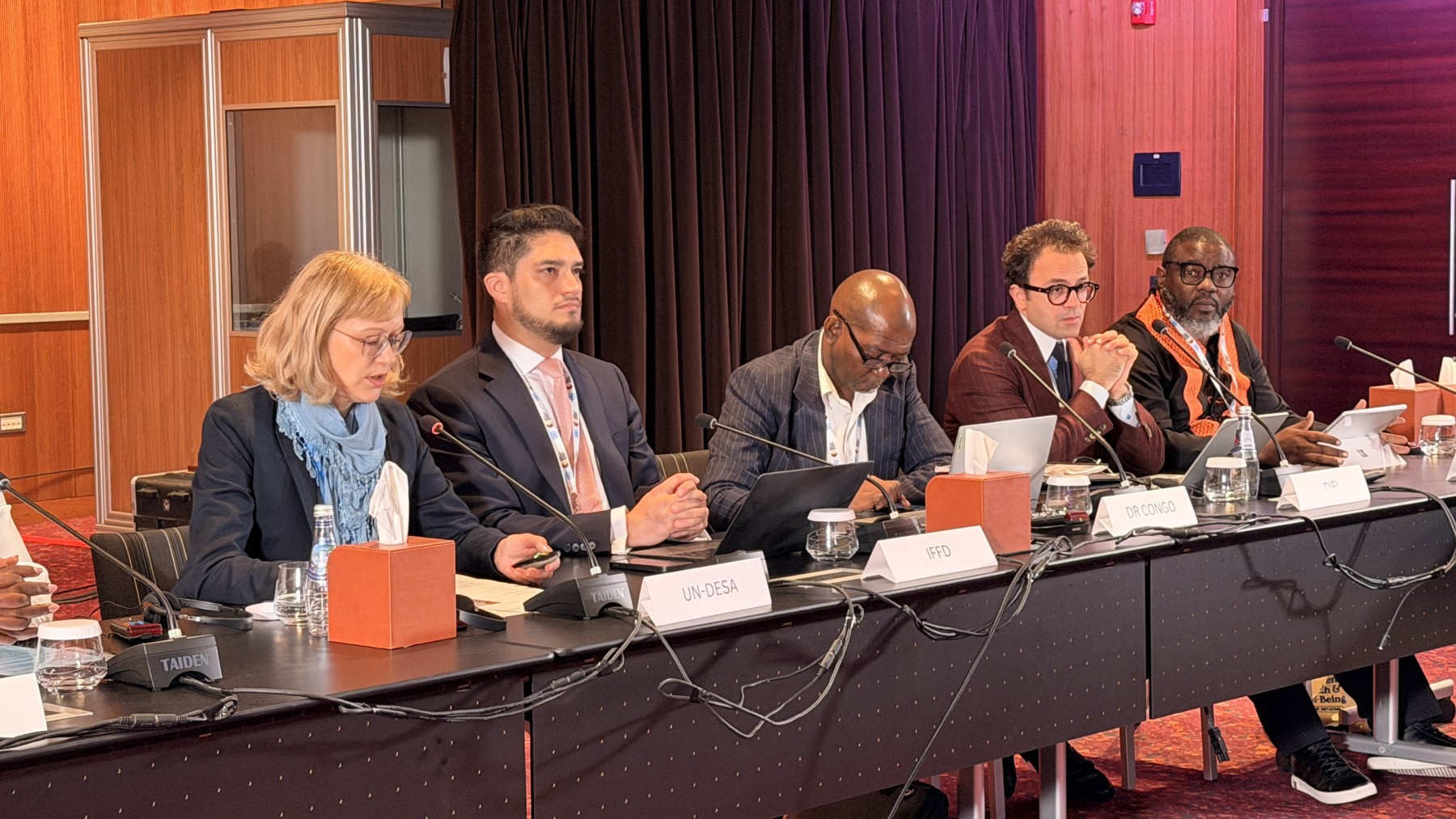
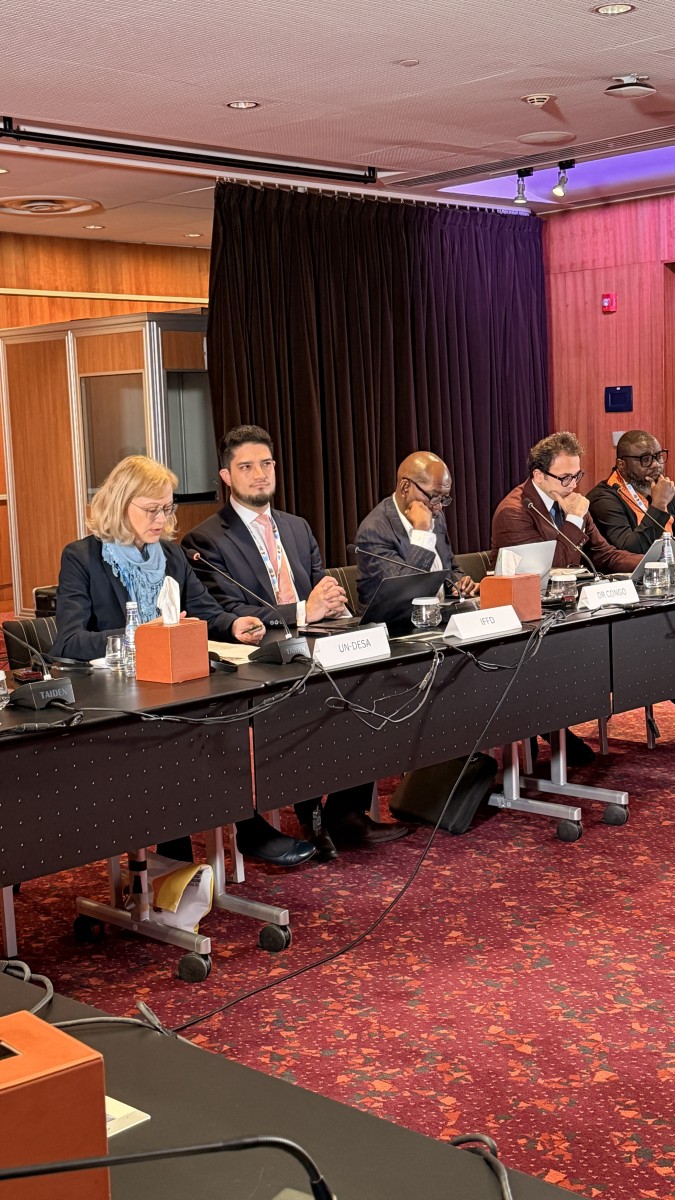
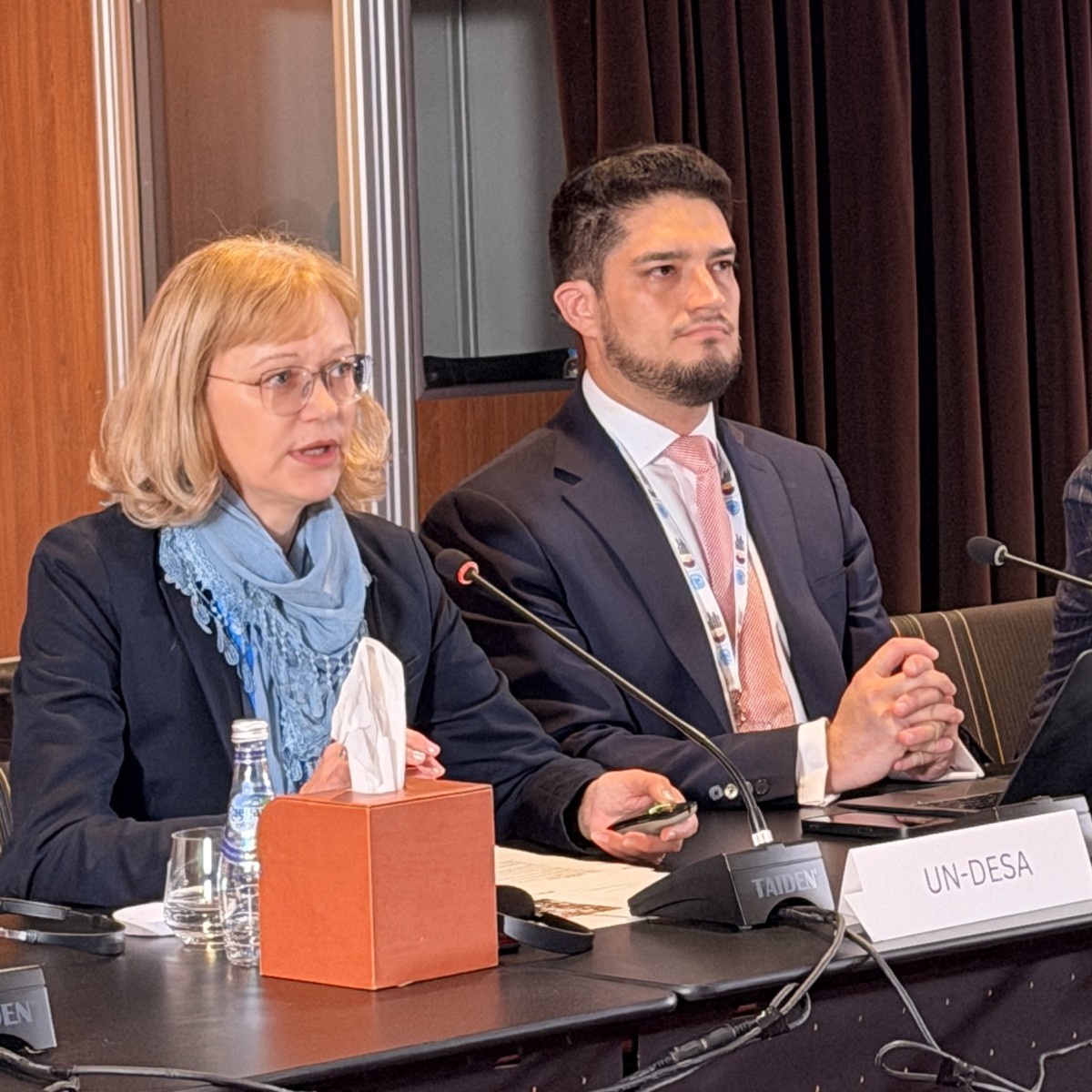
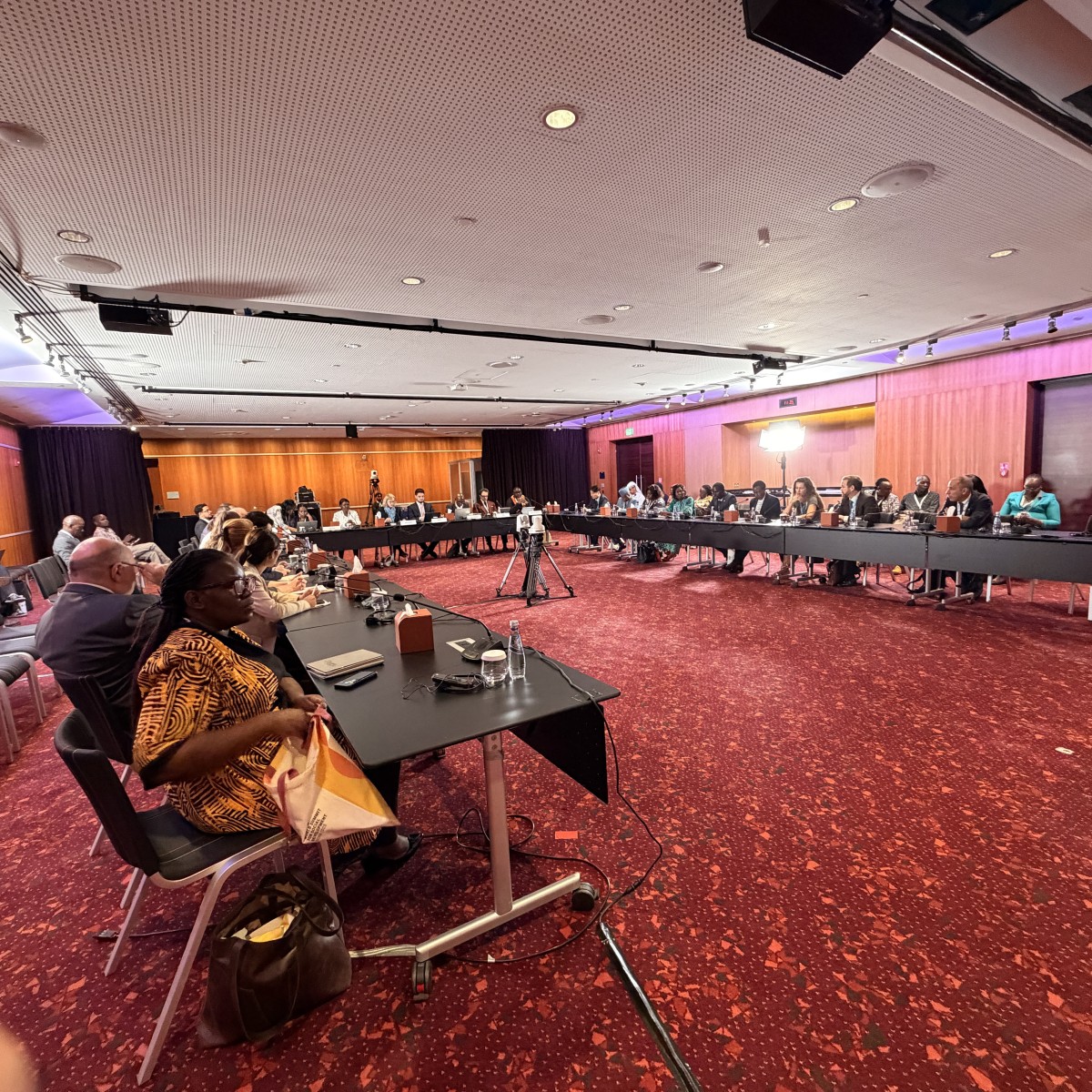
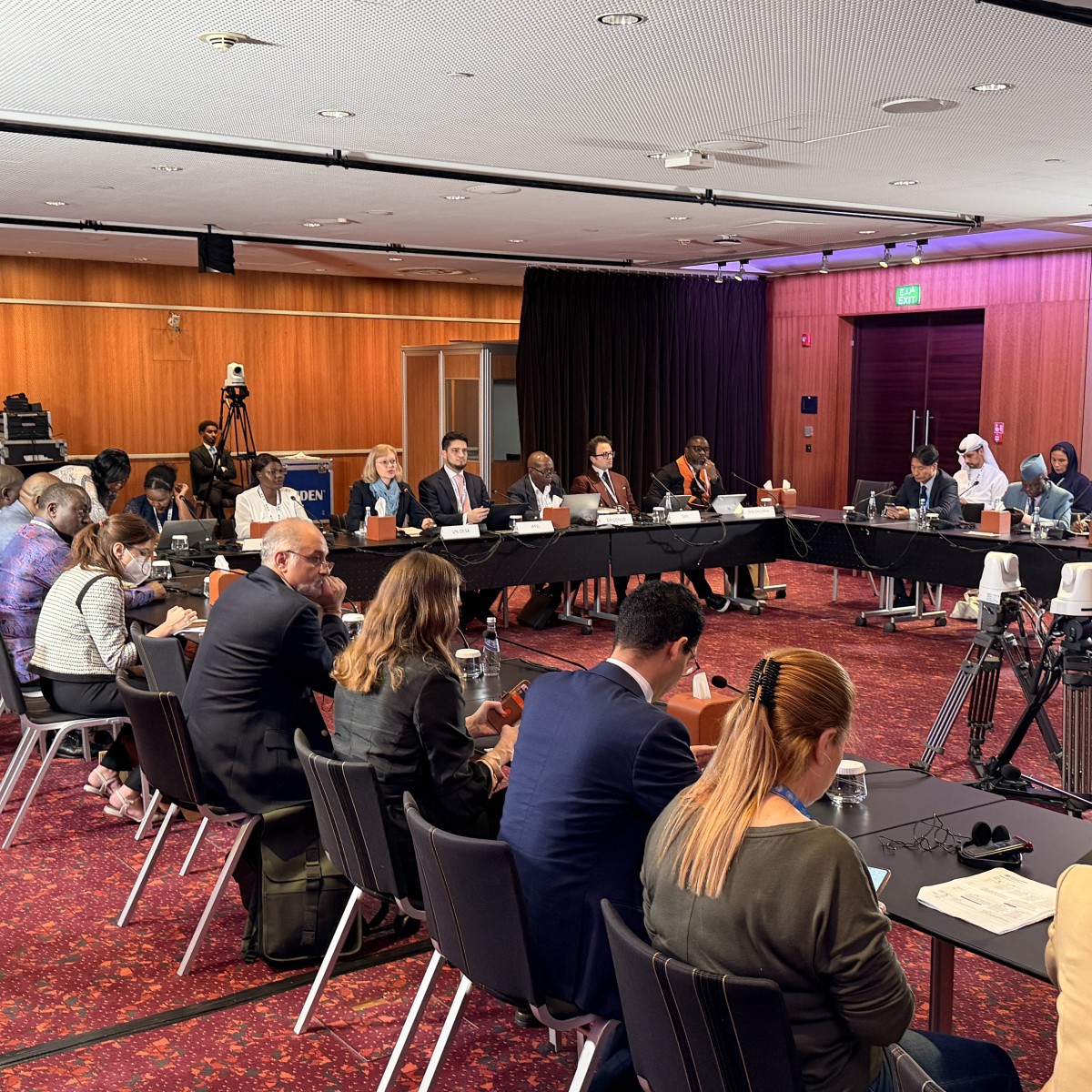
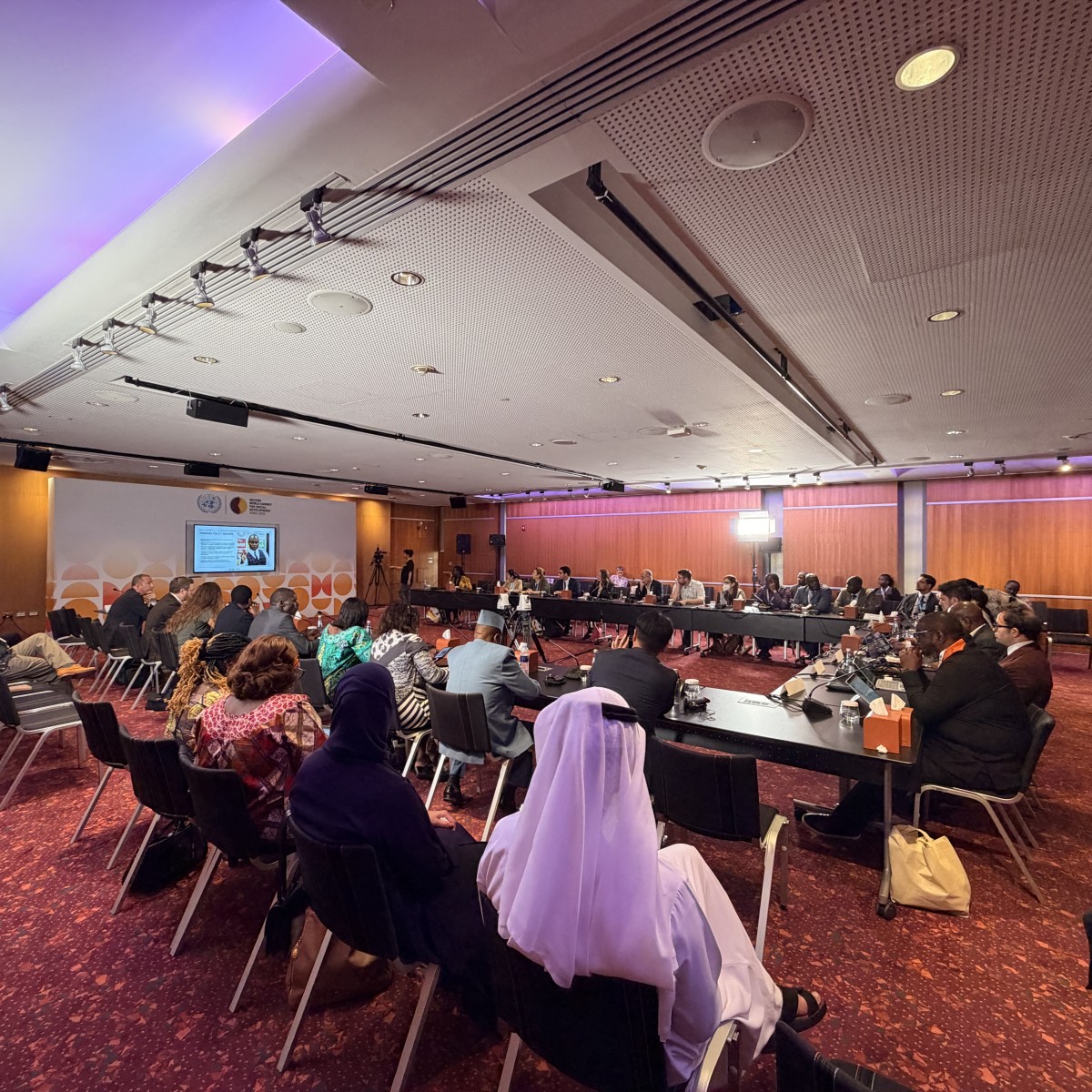
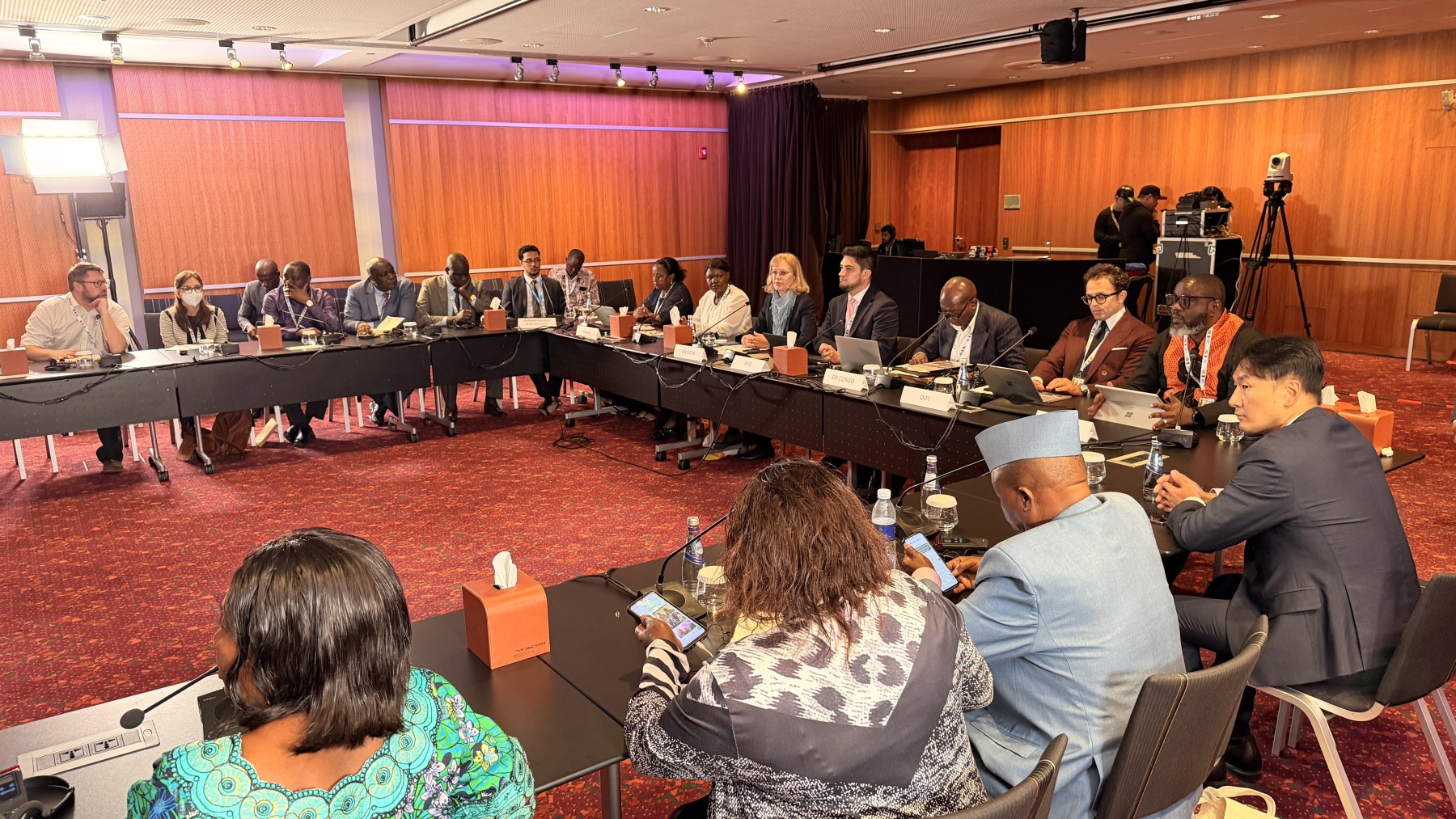
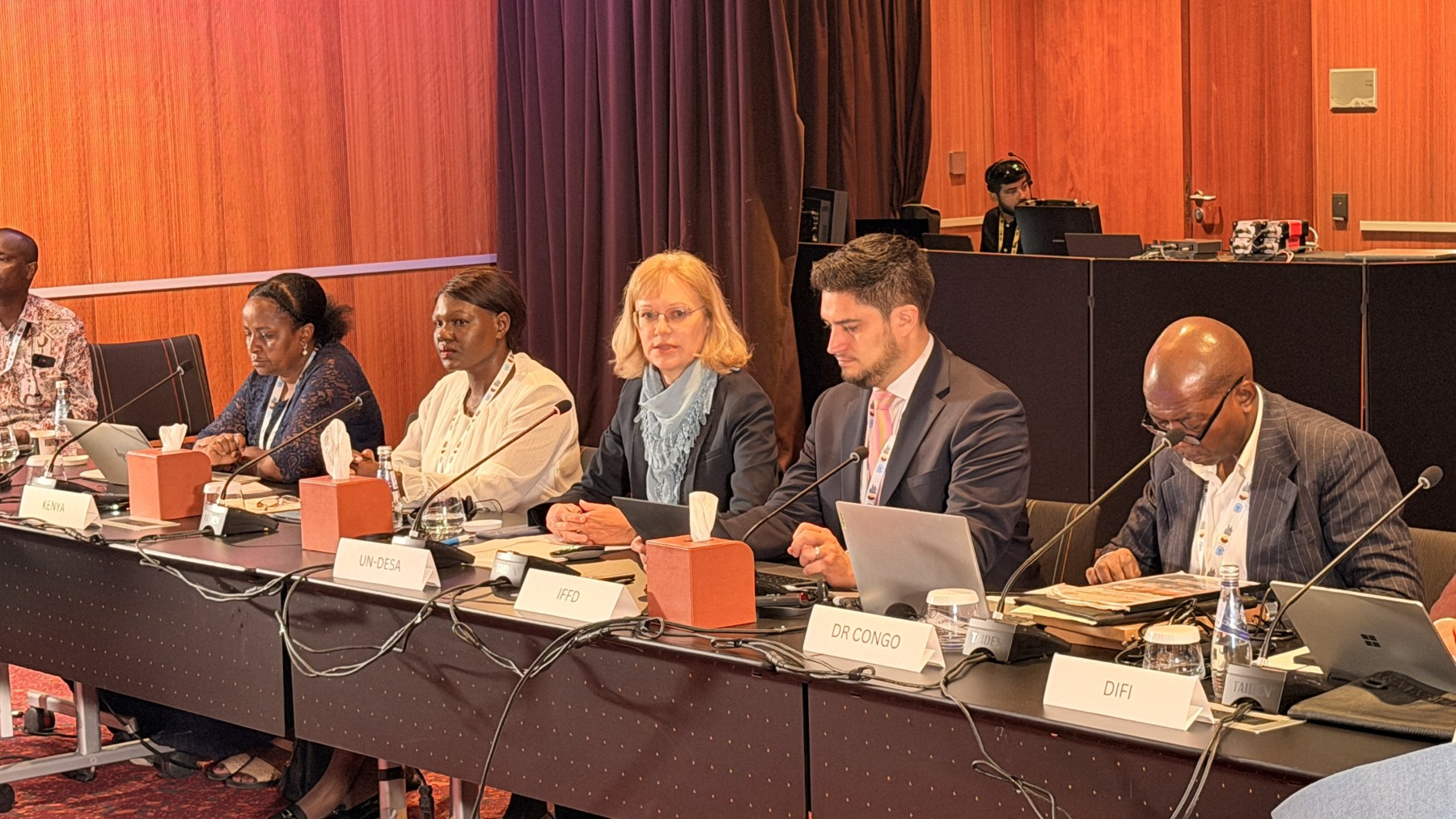
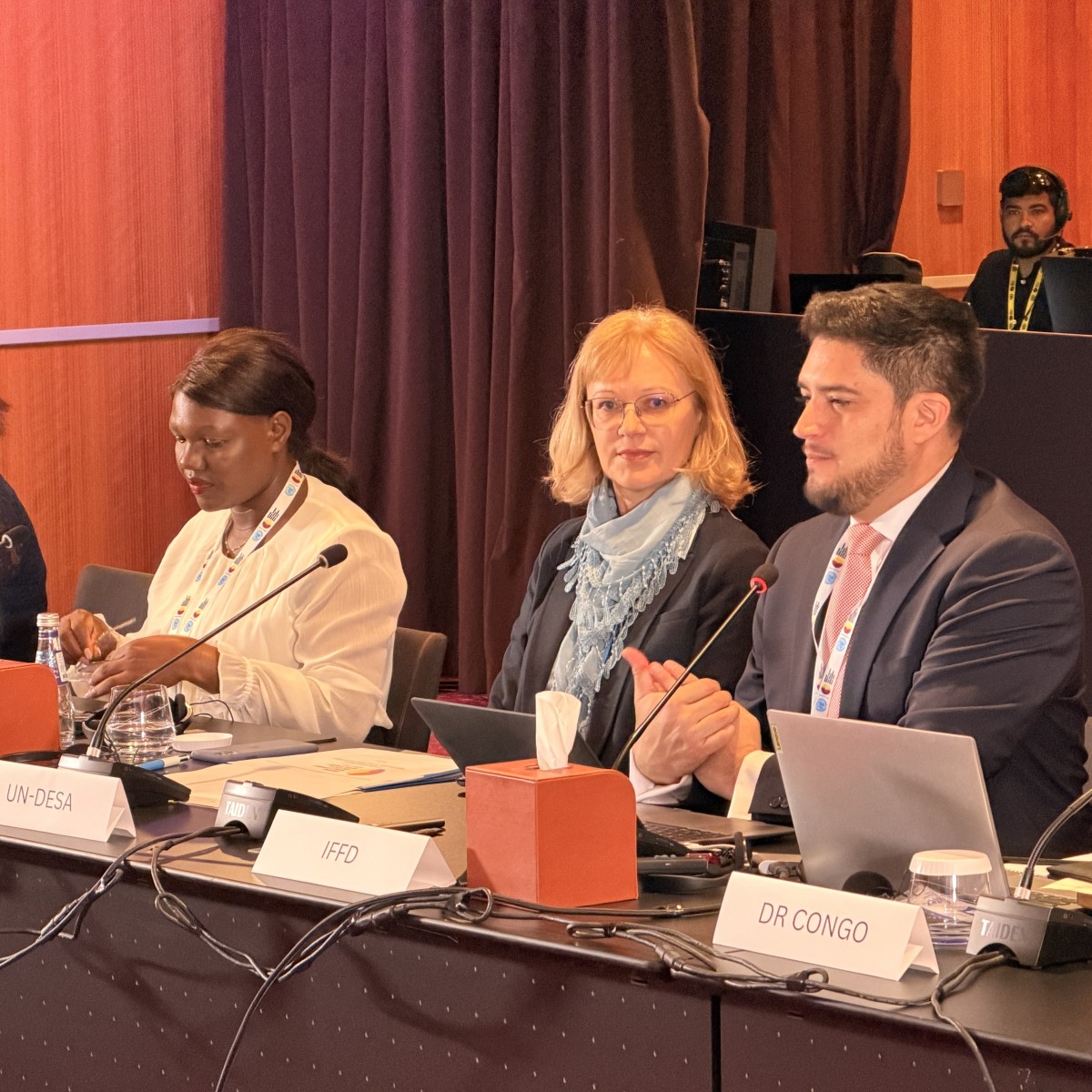
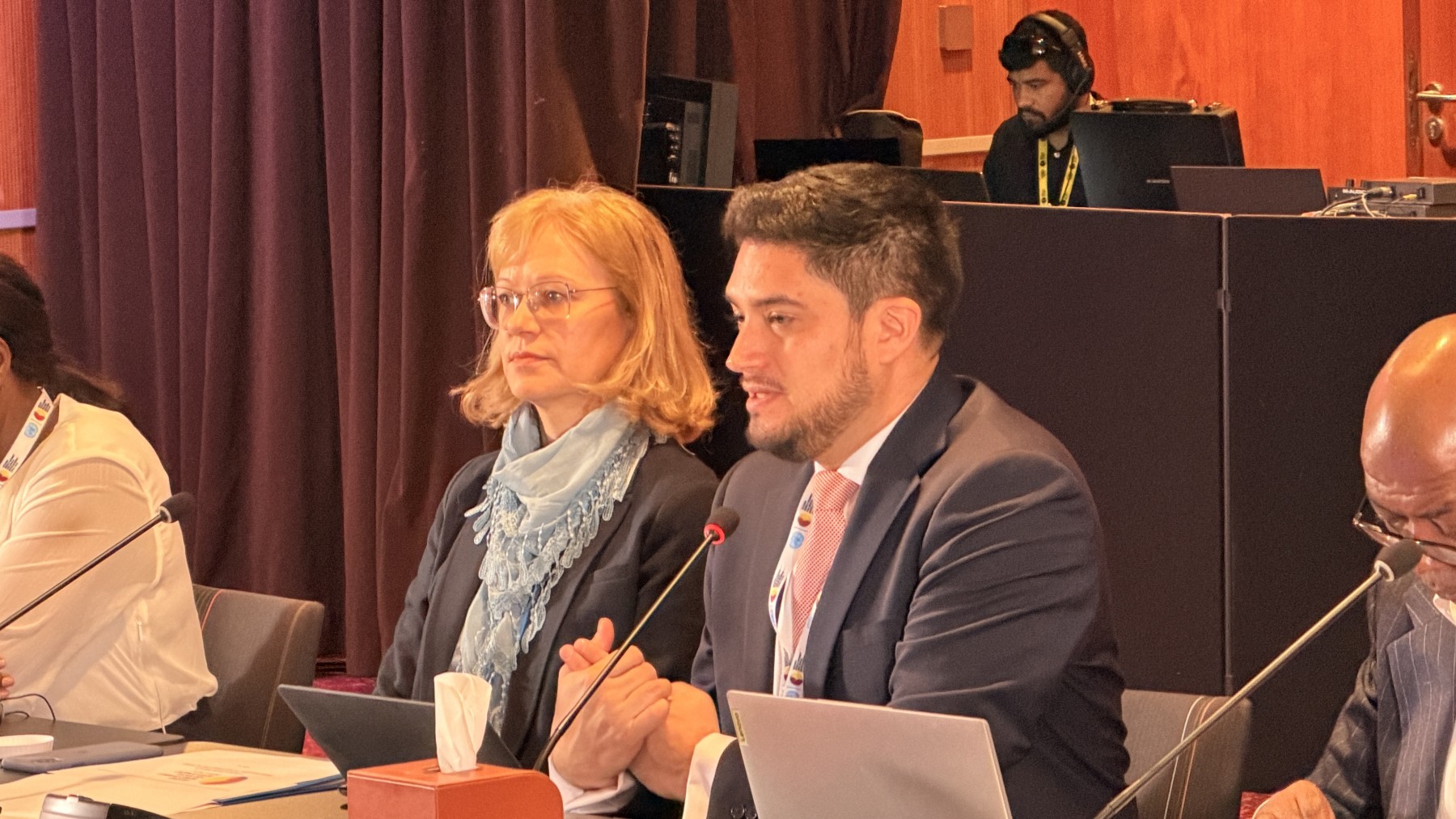
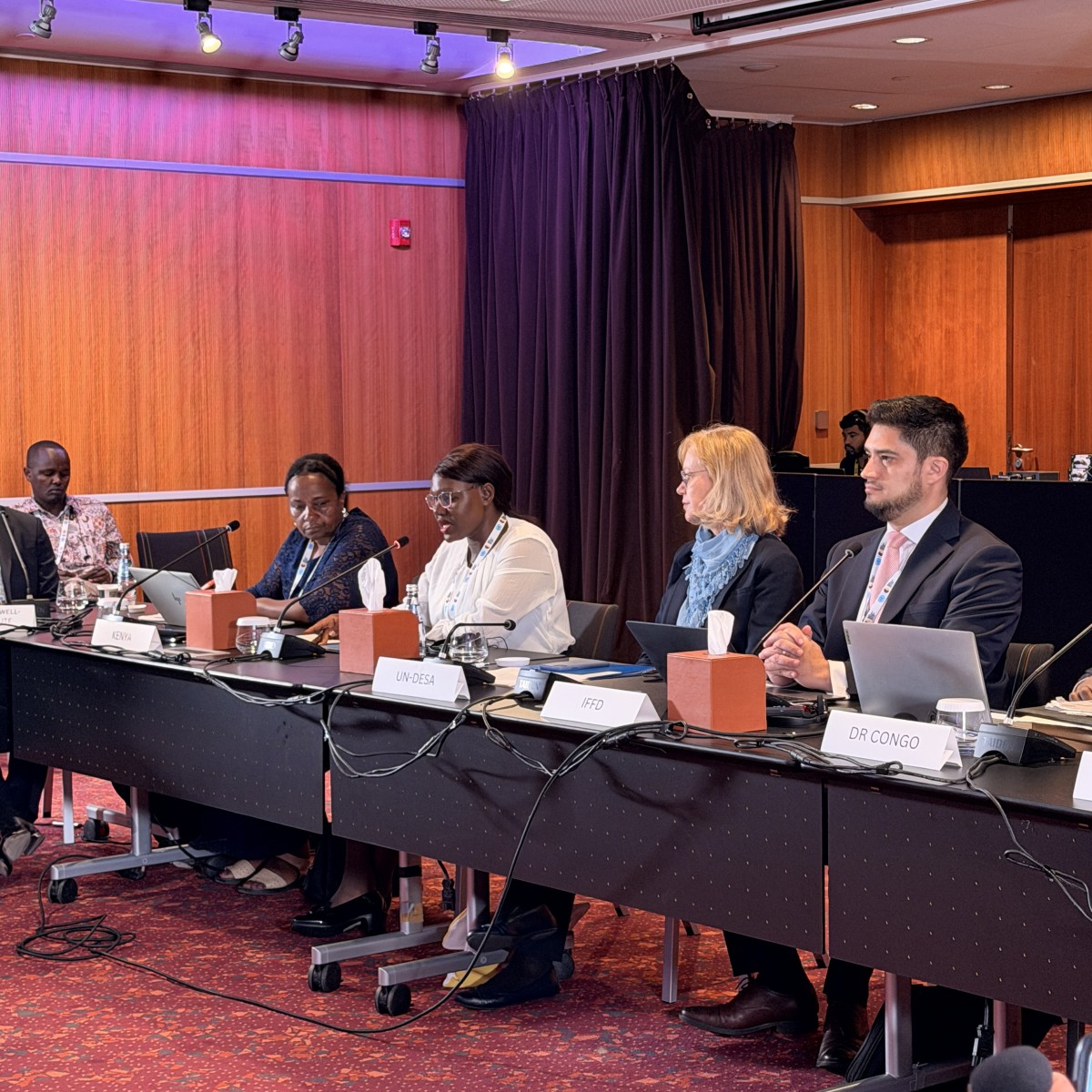
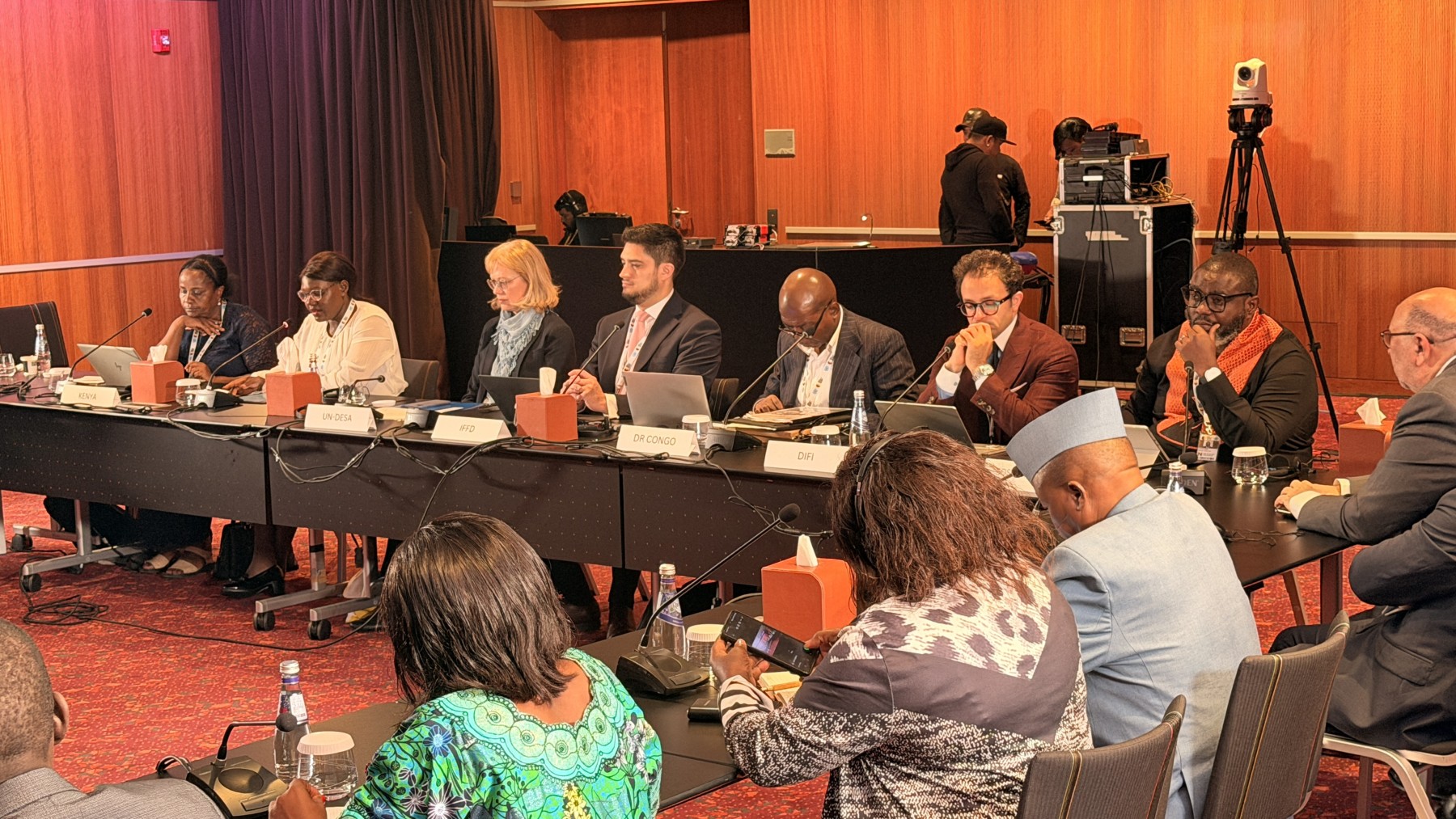
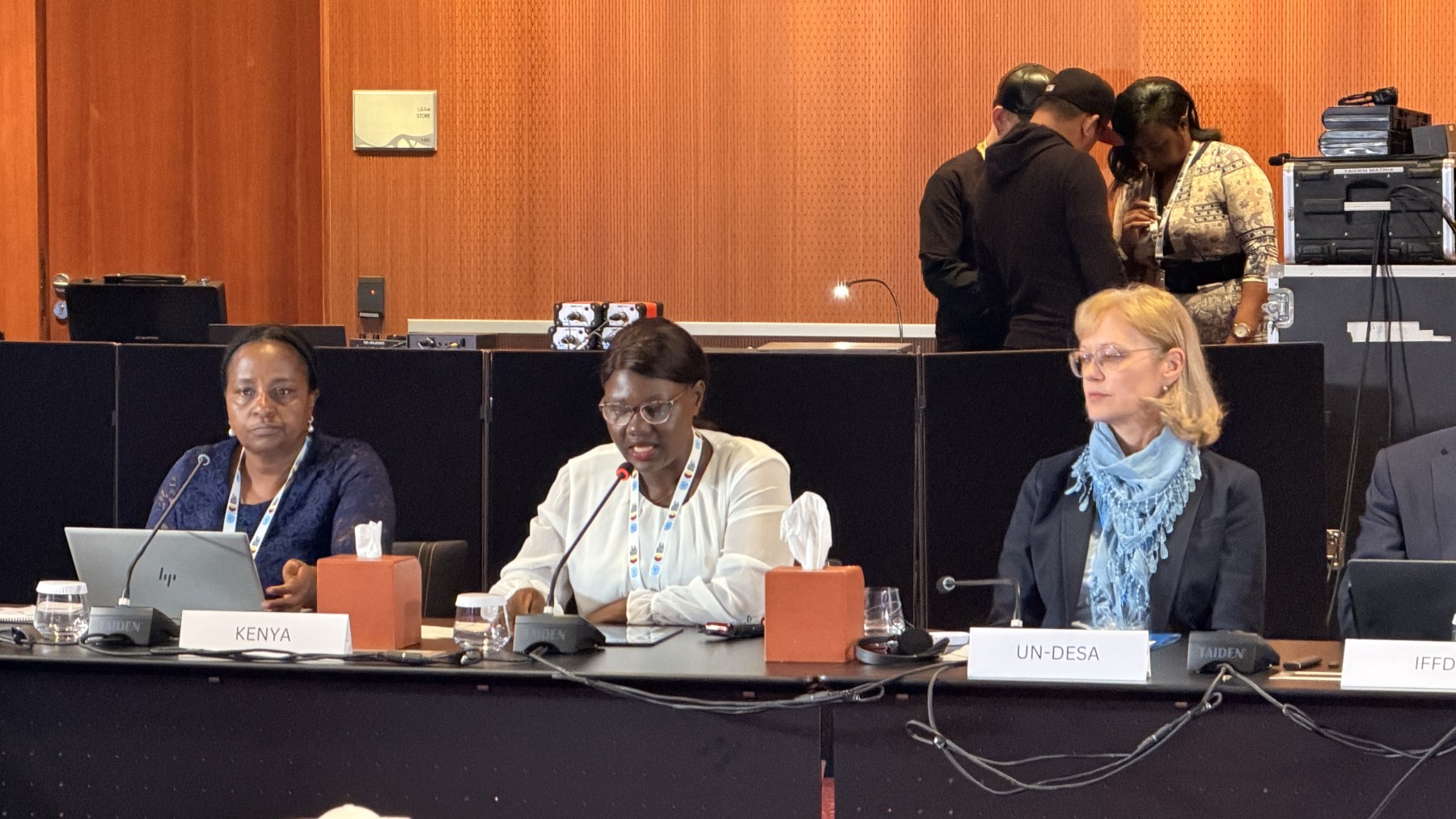
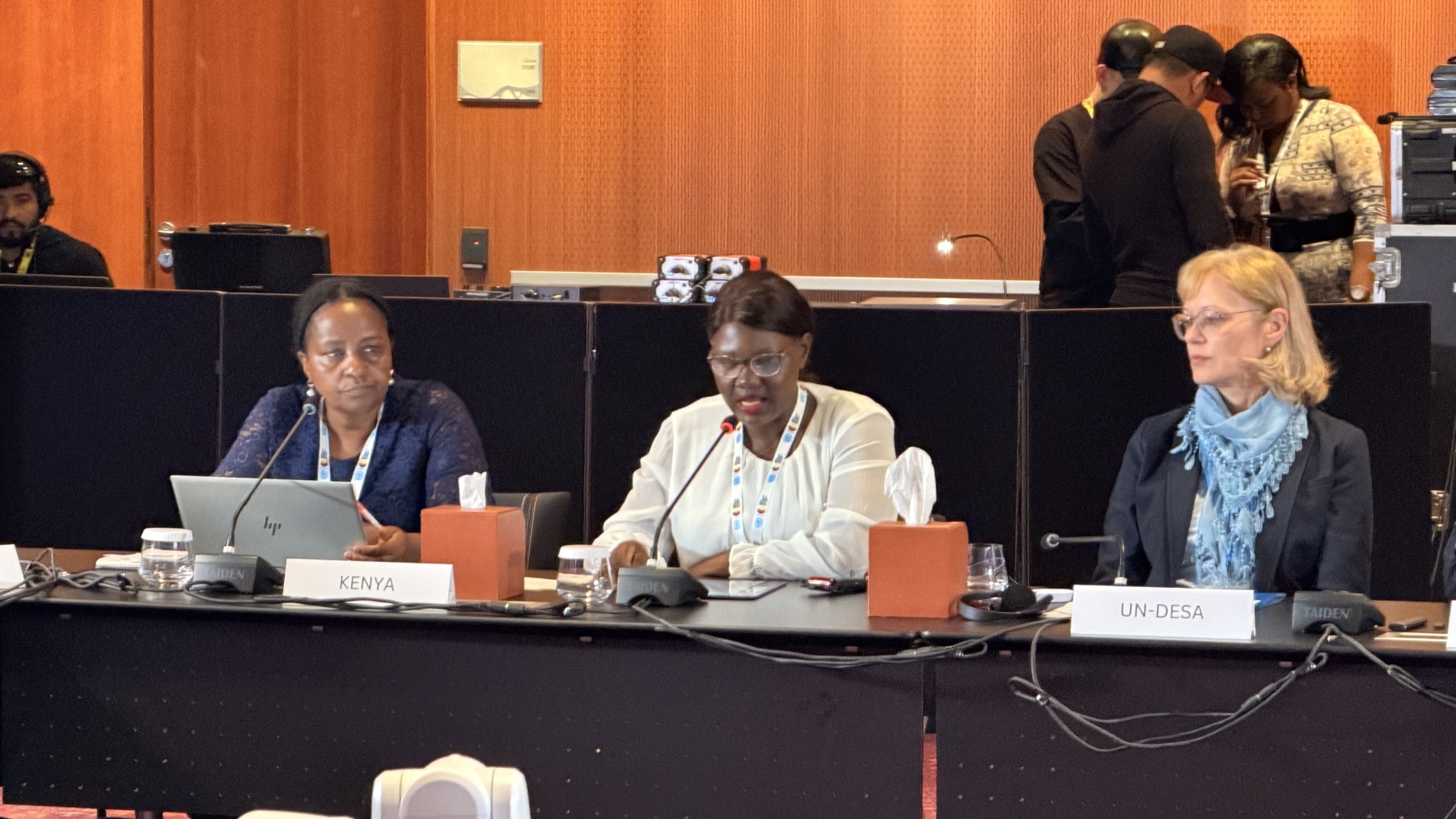
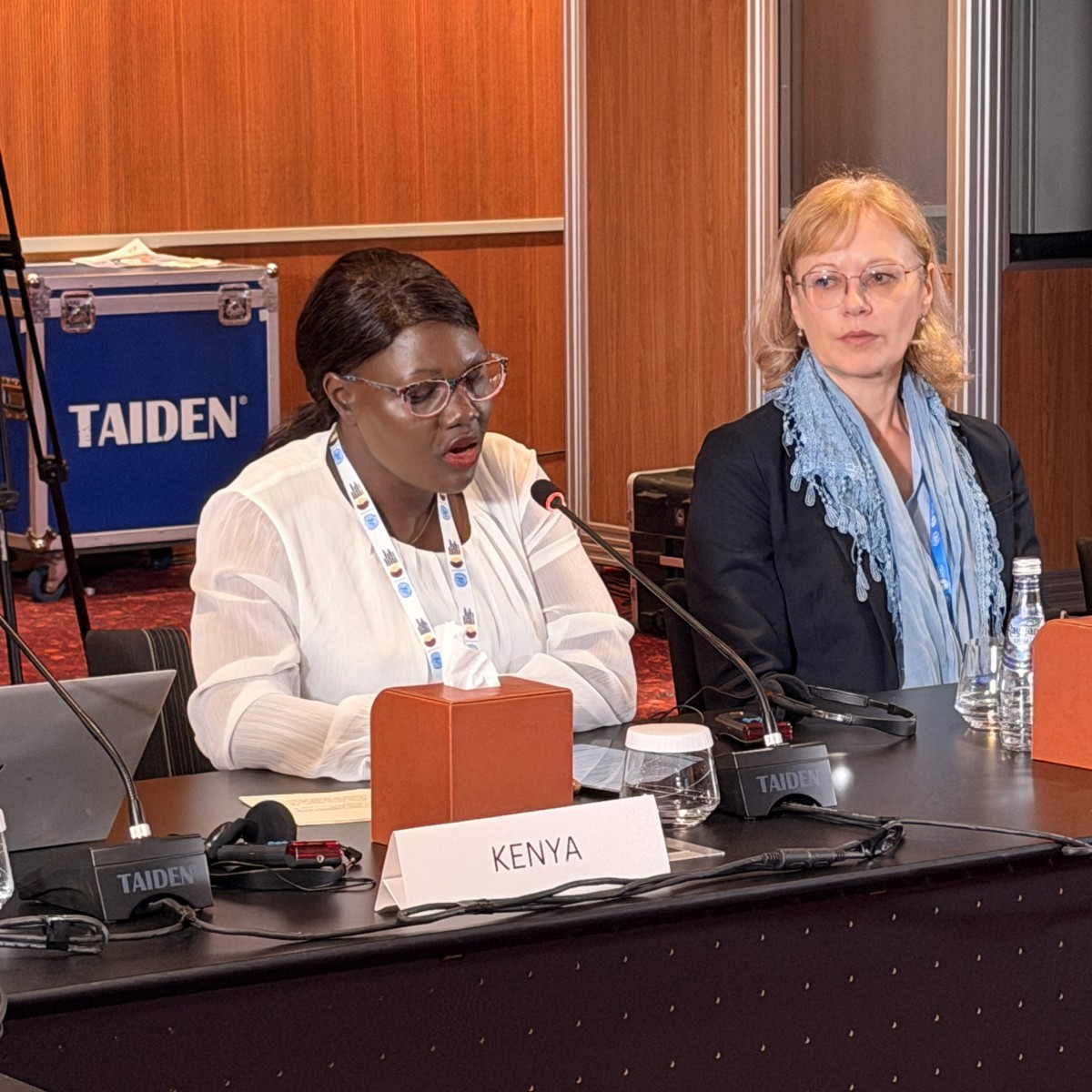
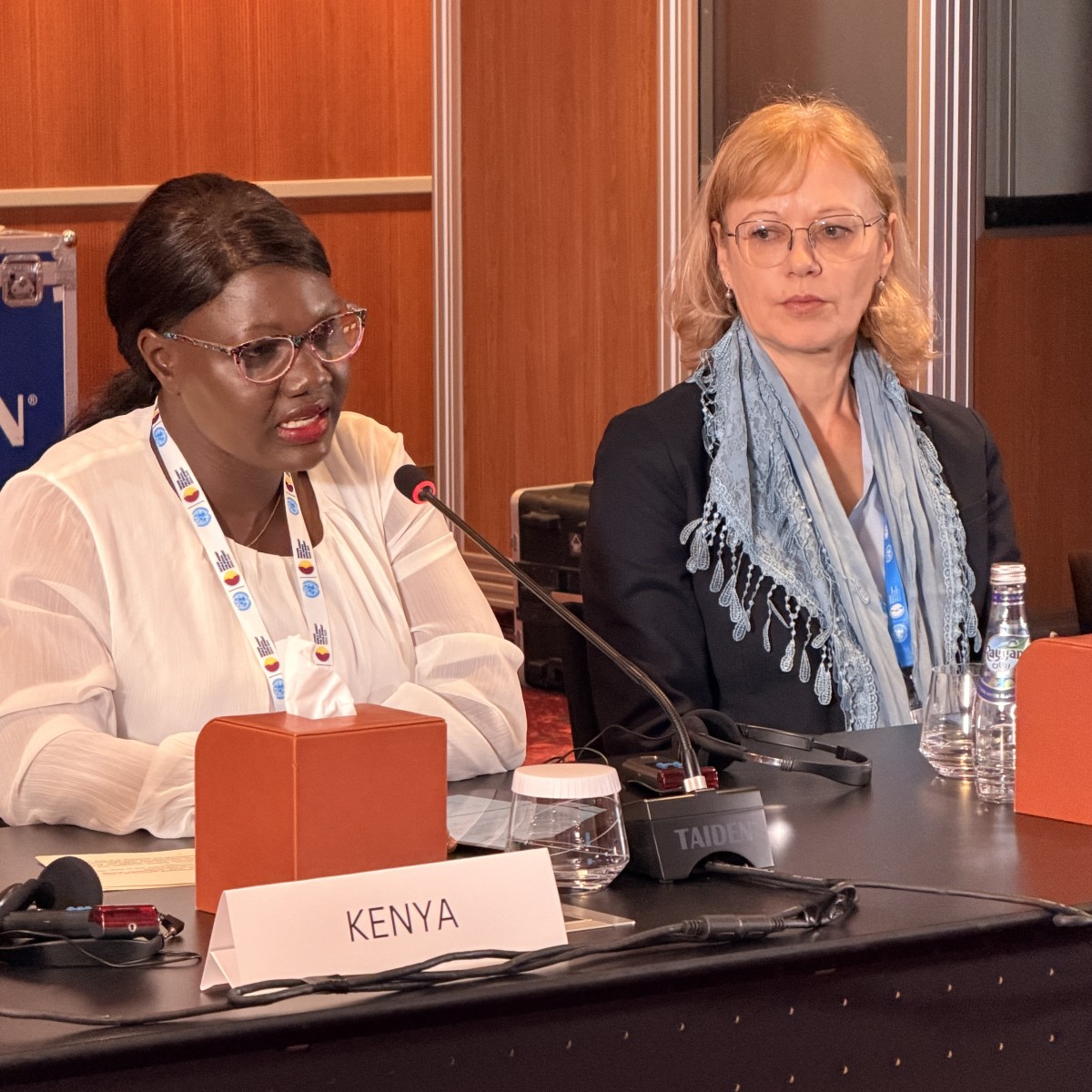
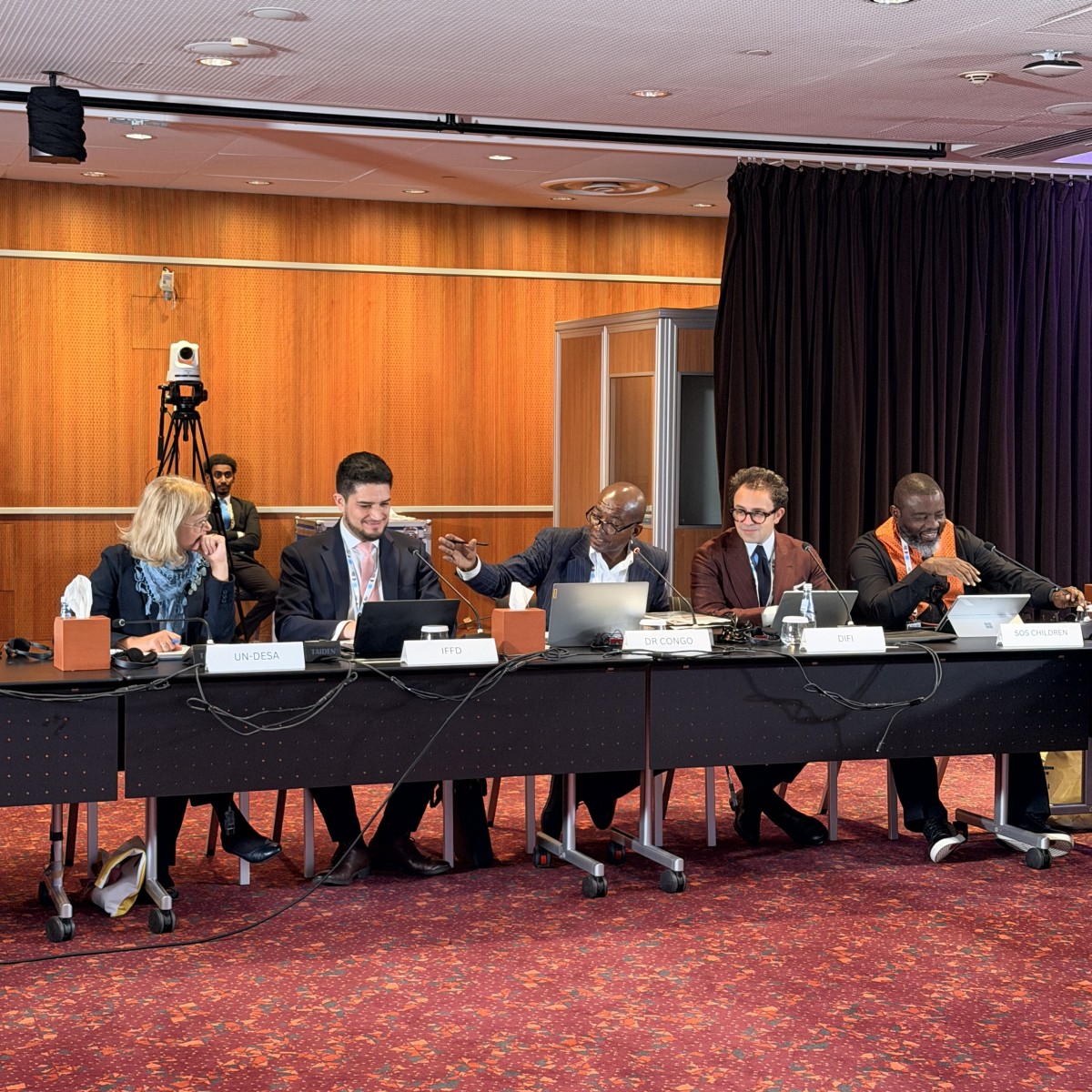
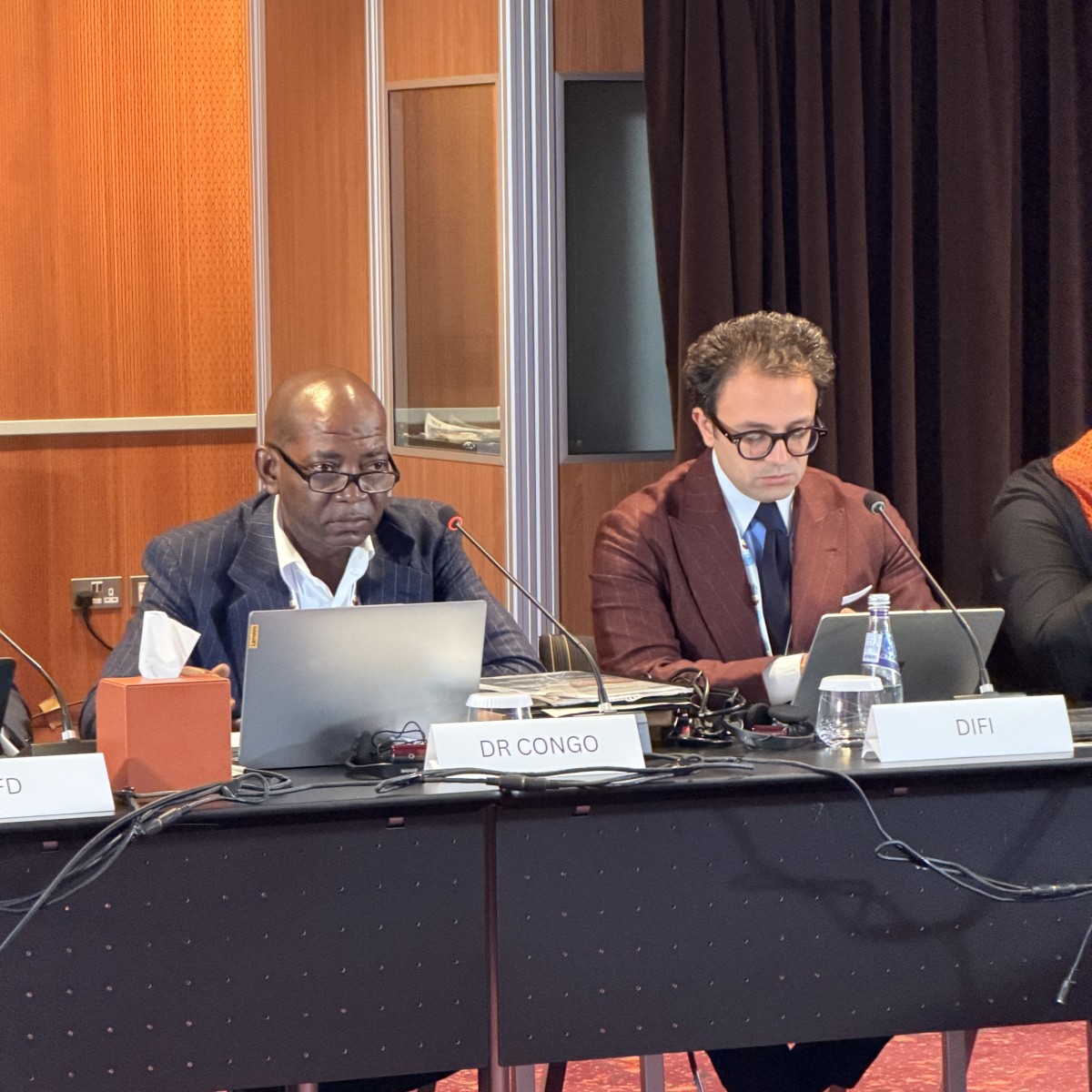
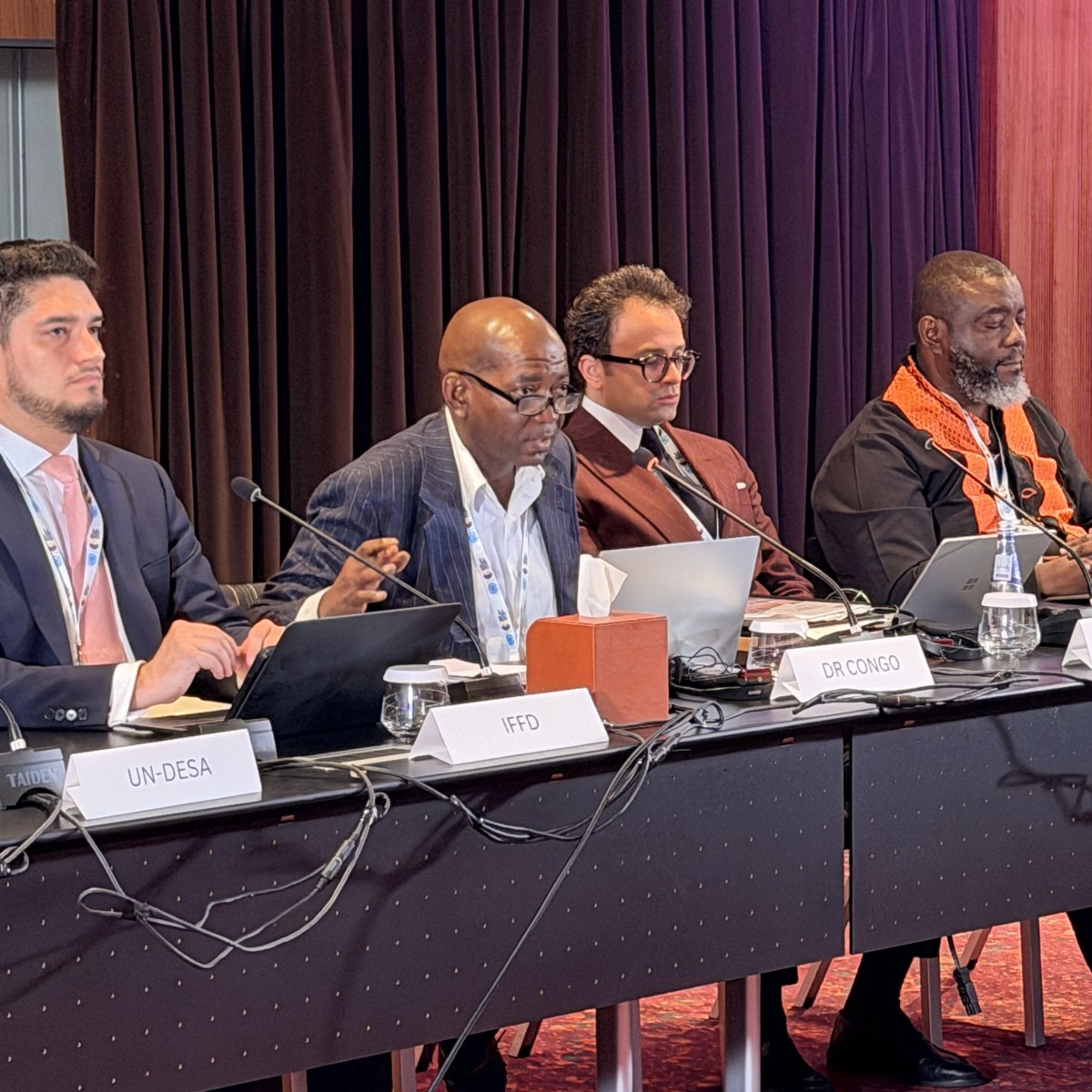
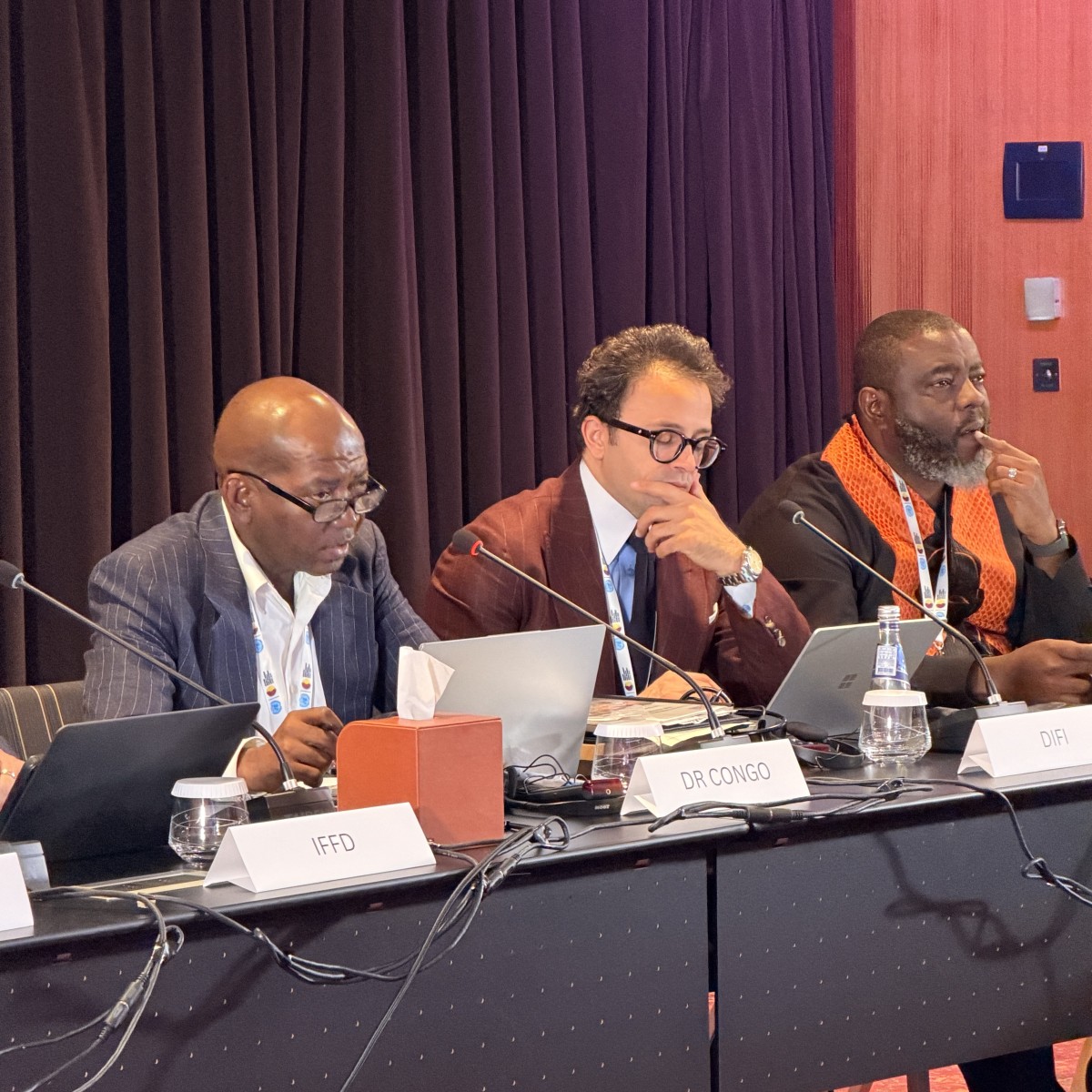
The Copenhagen Declaration on Social Development’s (1995) goal was to put people at the centre of development with the aim to eradicate poverty, promote productive employment and foster social integration. To achieve this, the most basic unit of society, which is the family, needs to be streamlined in the international development agenda. The family institution is one of the most vital social institutions and is entitled to be protected by the society and the state, since it is viewed as one of the measures of civil order without which no society can function.
In addition to families contributing to capital development, social cohesion and national stability, the family also serves as the first source of social protection, especially in contexts, like Africa, where formal systems are under-resourced. Like many institutions, the family is facing a variety of socioeconomic transformations taking place including but not limited to; urbanization, technological advancements, health crises, climate change, economic hardship, cultural shifts, poverty etc. These shifts are compounded by the absence of formal policy frameworks in several African countries. Leading to reactive, rather than preventive measures to support and protect the families. Furthermore, while policies on youth, gender, child protection etc., exist, there is little effort to collaborate, missing the opportunity to support the family institution holistically.
As we prepare for the World Summit on Social Development in Doha, it is imperative to take a step forward by supporting African countries in designing practical solutions to develop and/or strengthen their national family policies and family protection frameworks. This will help ensure that the family institution is holistically protected through policies that reinforce resilience, social protection and sustainable development. The emphasis on family policy stems from its potential to address the multifaceted challenges facing families today, and to provide targeted, coordinated interventions, designed and implemented by governments in collaboration with stakeholders, for the overall betterment and stability of society.
Goals
Showcase practical strategies and solutions for working with stakeholders to develop and implement strong family policies.
Create a multisectoral platform for sharing experiences and best practices that reflect Africa’s realities.
Foster solution-driven dialogue between countries with family policies and those developing or yet to develop theirs, to promote peer learning.
Explore an overarching continental family policy aligned with the African Union’s Agenda 2063.
Promote coherence by aligning national policies with continental goals and avoiding fragmentation.
Develop clear, actionable solutions and recommendations that can guide countries beyond the Summit.
Key Themes and Challenges
Advancing inclusive solutions for the development and implementation of family policies in Africa.
Learning from African success stories that have strengthened families and improved social protection systems.
Bridging policy gaps through solution-driven peer exchange between countries at different stages of family policy development.
Shaping a shared African vision for family well-being through an overarching continental policy framework.
Ensuring coherence and alignment between national, regional, and continental agendas such as the African Union Agenda 2063.
Turning commitments from dialogue to solutions and actions.
Expected Outcomes and Solutions
Shared understanding of solution-oriented approaches among African countries on the importance of integrated family policies as a driver of resilience, social protection, and sustainable development.
Documented best practices and lessons learned from countries with established or emerging family policies that can be adapted across diverse African contexts.
Strengthened networks and partnerships among governments, civil society, regional bodies, and development partners committed to advancing family policy in Africa.
Agreement on solutions-based guiding principles for a continental family policy that aligns with the African Union’s Agenda 2063 and the SDGs.
A clear set of actionable solutions with priority steps for countries at different stages of policy development, including timelines for follow-up.
Commitment to ongoing peer learning and collaboration beyond the Summit, with a mechanism for tracking progress and sharing updates
Agenda (TBC)
Introductory Remarks

Renata Kaczmarska
Focal Point on the Family
Division for Inclusive Social Development
UN-DESA
Capacity Development Framework
Opening Remarks

Carren Ageng’o
Principal secretary
Ministry of Gender, Culture and Children Services
State Department for Children Services
National Policy an Family Promotion and Protection

Democratic Republic of Congo
Ministère du Genre, Famille et Enfant
Cellule d’Études et de Planification pour la Promotion de la Femme, Famille et Protection de l’Enfant
Family Policy Framework Development
Policy Exchange

Asangama Mopetane
Head of Family Department
C.E.P.F.E Ministry of Gender, Family and Child DRC
Towards a Family Policy Framework

Mary Mbuga
Director Children’s Services
Ministry of Gender, Culture and Children Services
State Department for Children Services
National Policy an Family Promotion and Protection
Regional Stakeholders

Mohamed Obaidy
Senior Economist Affiliate
Learning for Well-being Institute
Educational Investment

Walter Odhiambo
National Director
SOS Children’s Villages Kenya
Family Strengthening Programs

Ahmed Aref
Director, Family Research
Doha International Family Institute
MENA Region Family Policy
Closing Remarks

José Alejandro Vázquez
Director of International Relations
International Federation for Family Development
Family-Oriented Policies: Design and Implementation