



 |
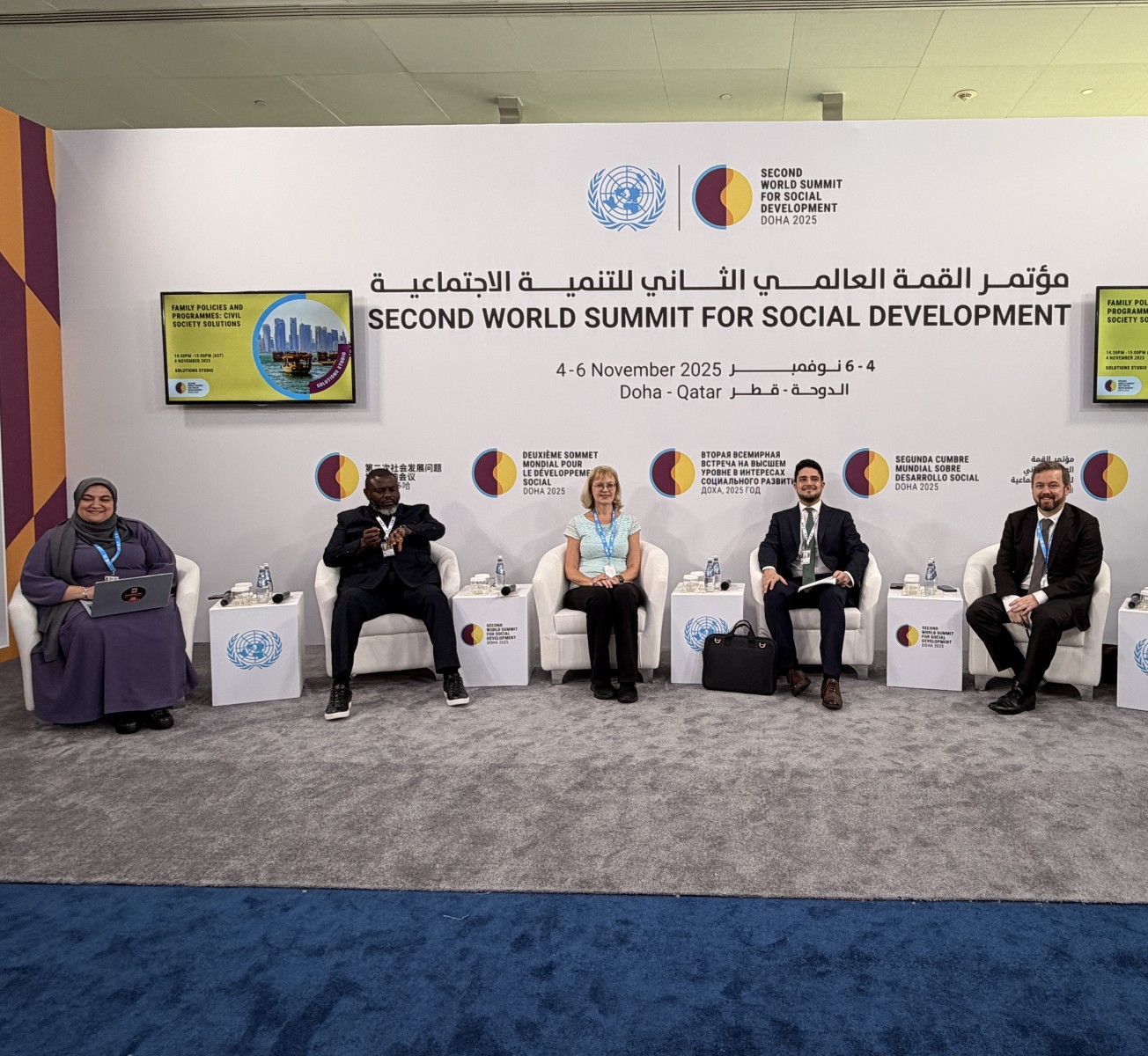
Family Policies and Programmes
Civil Society Solutions
Solution Studio
at the World Summit on Social Development
Tuesday, November4 th, 2025 – 2:30pm
Qatar National Convention Centre (Doha, Qatar)
Lead-Organizer
International Federation for Family Development
Live Video
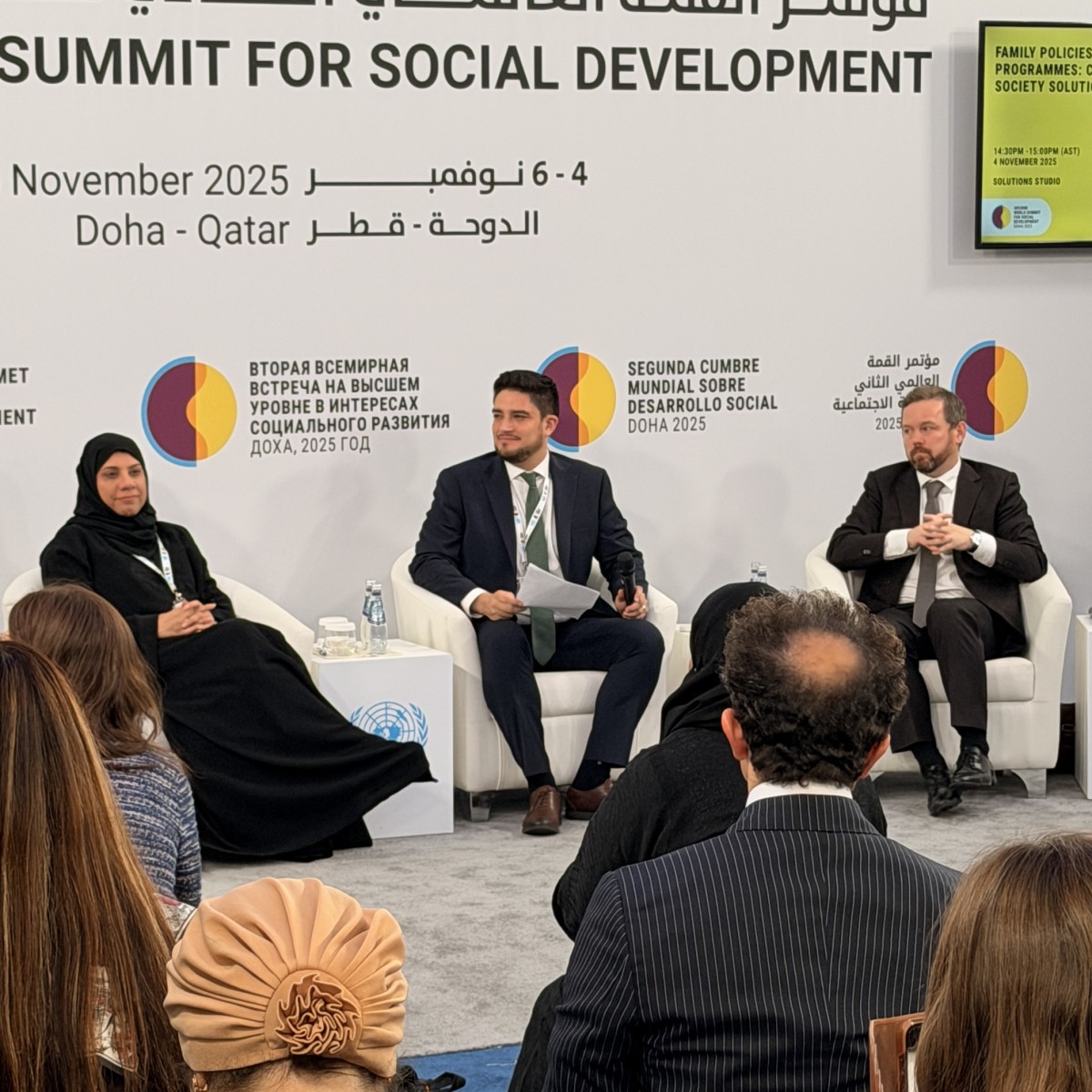
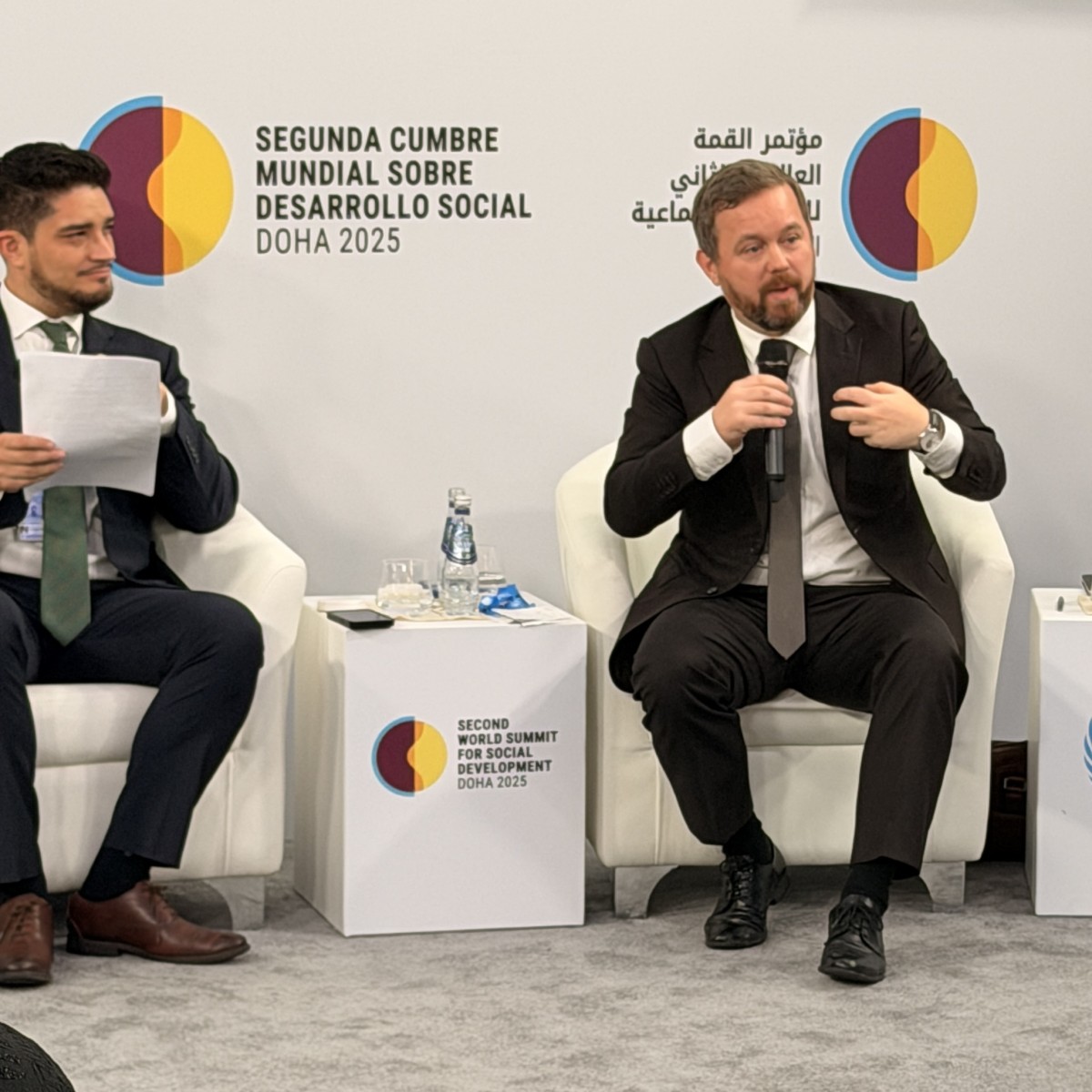
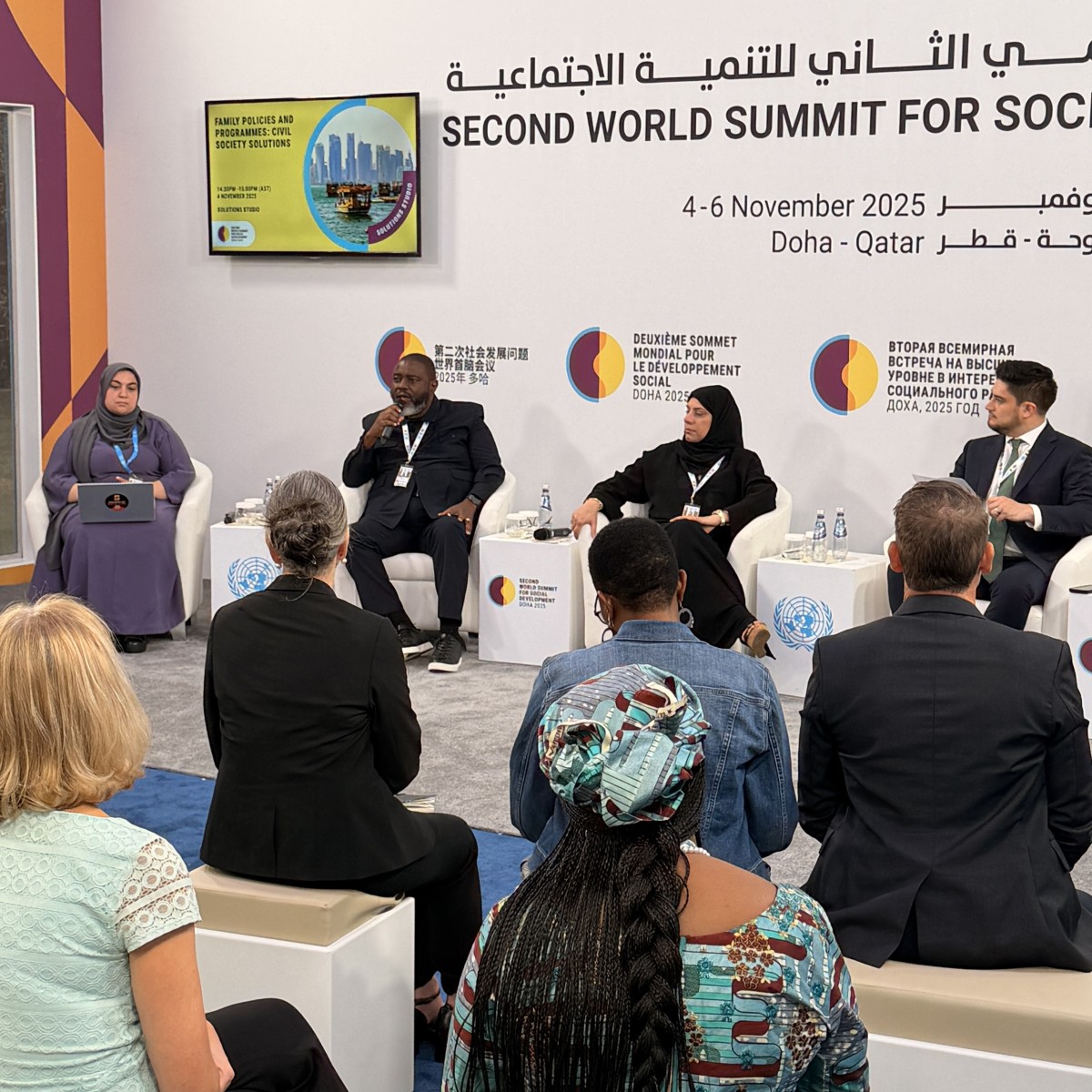
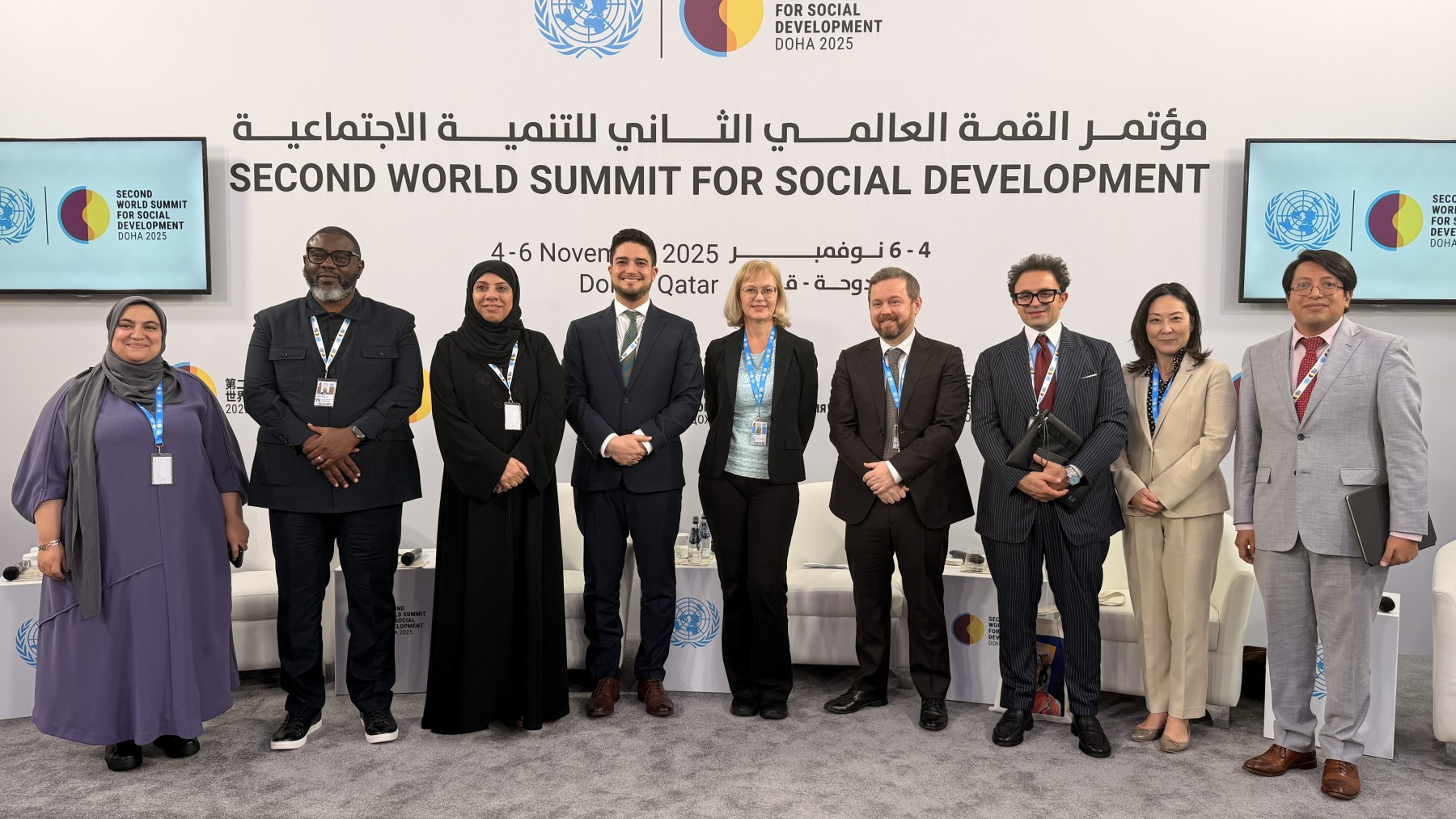
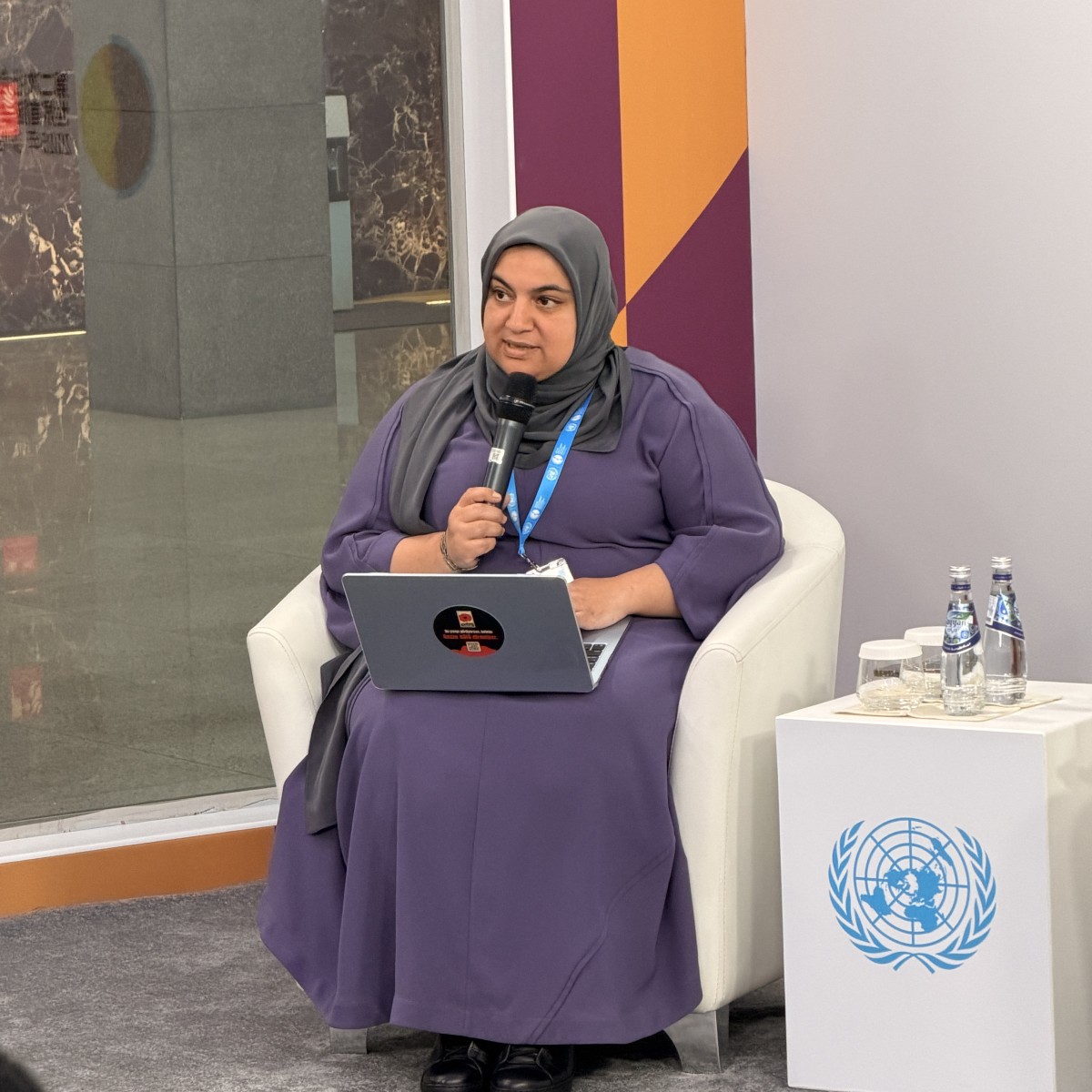
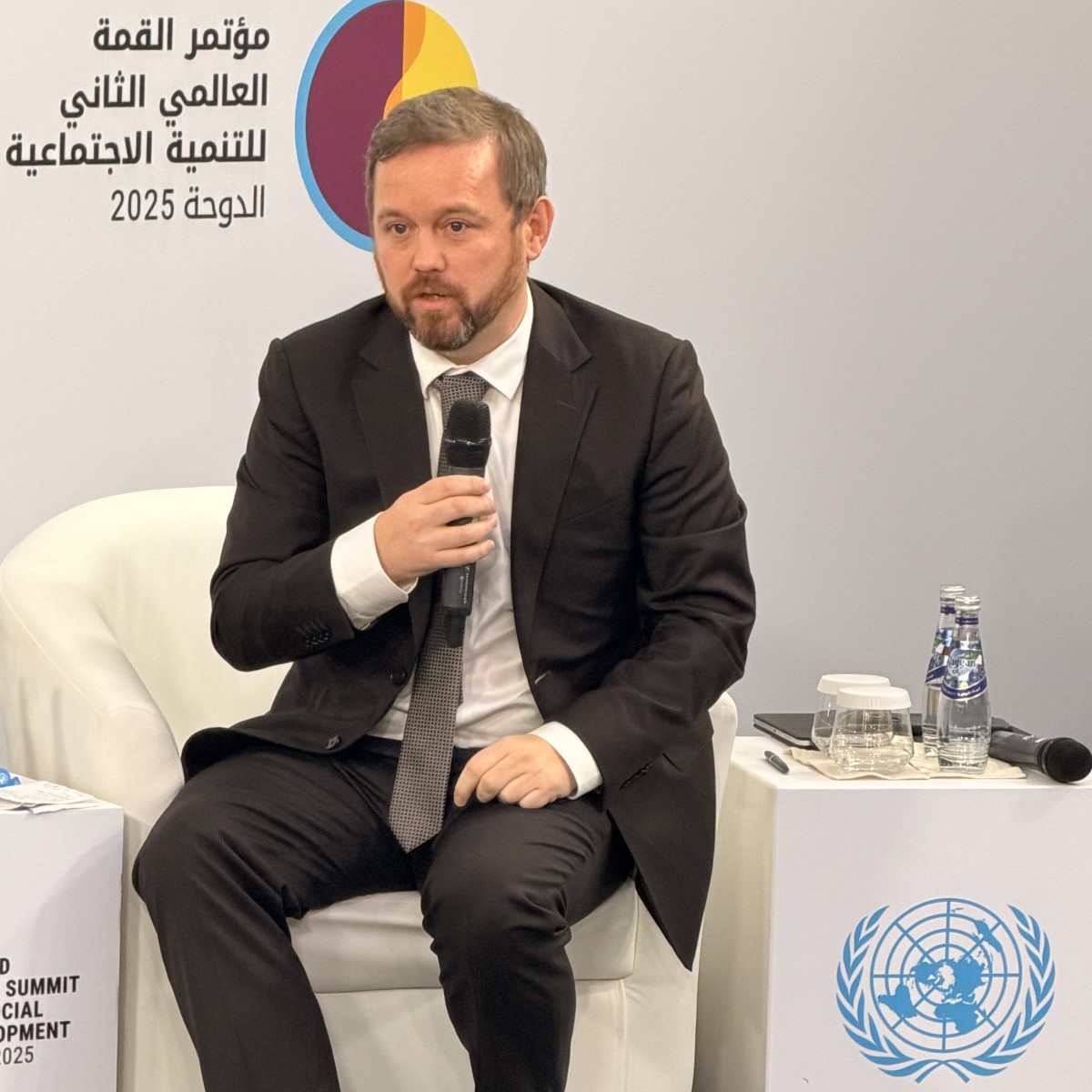
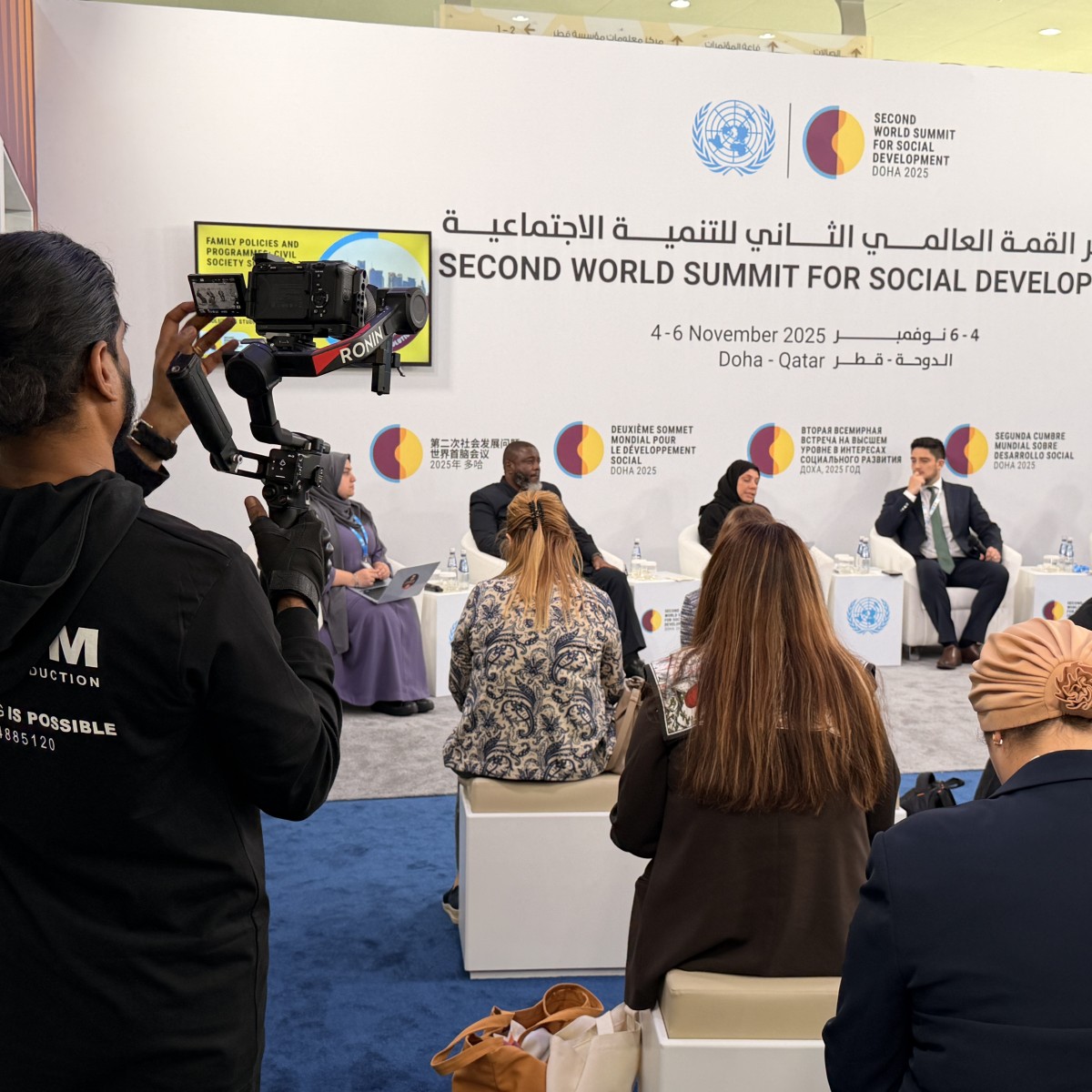
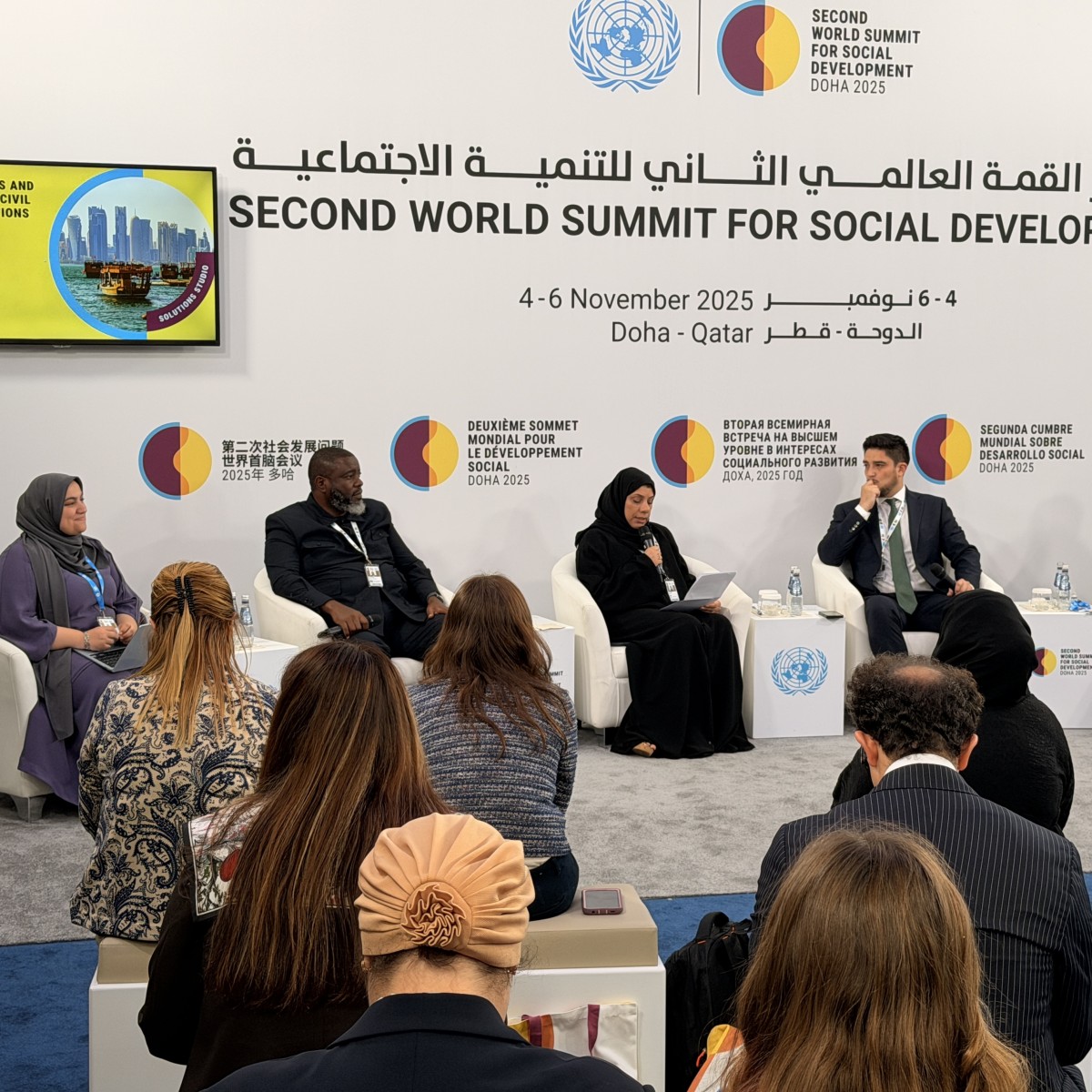
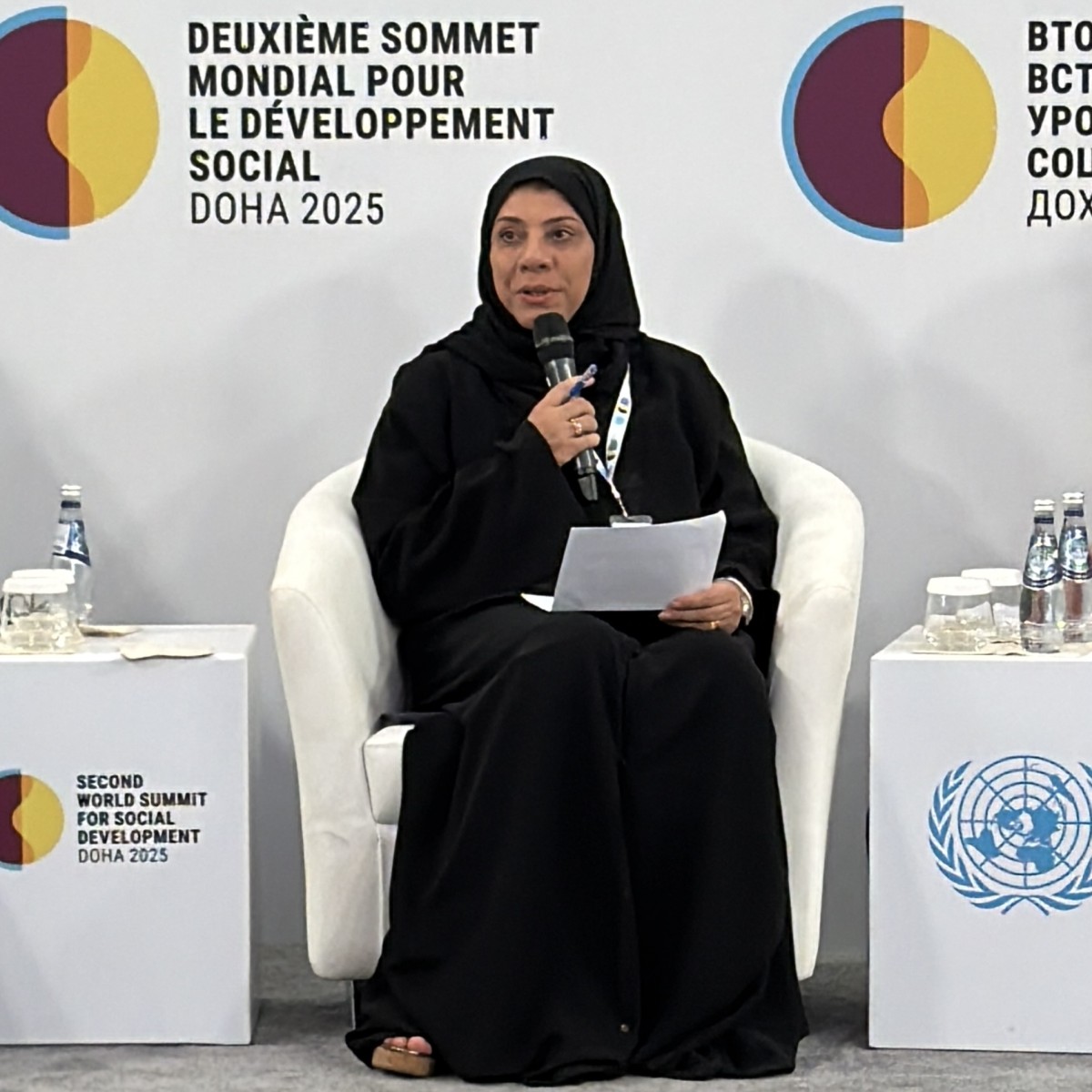
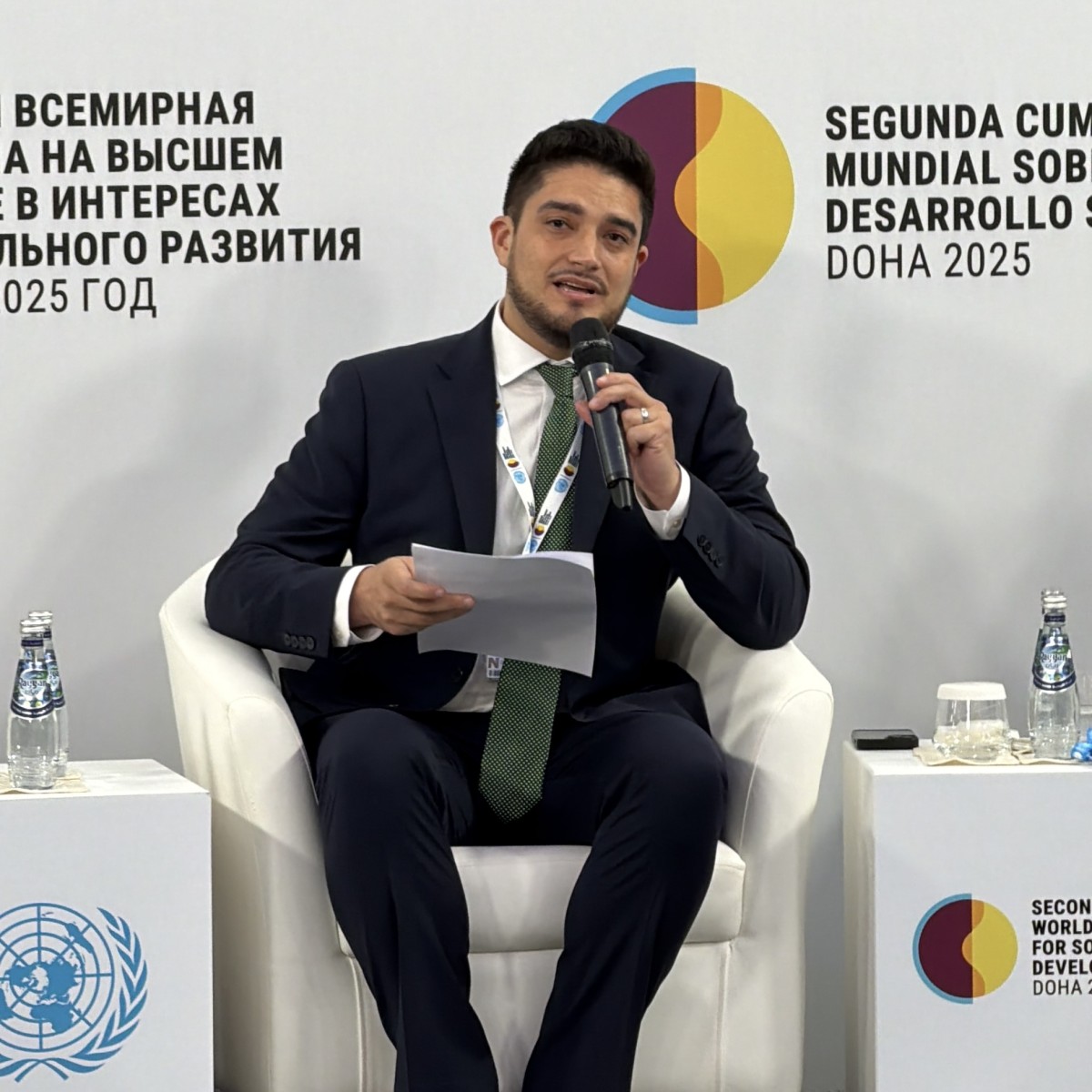
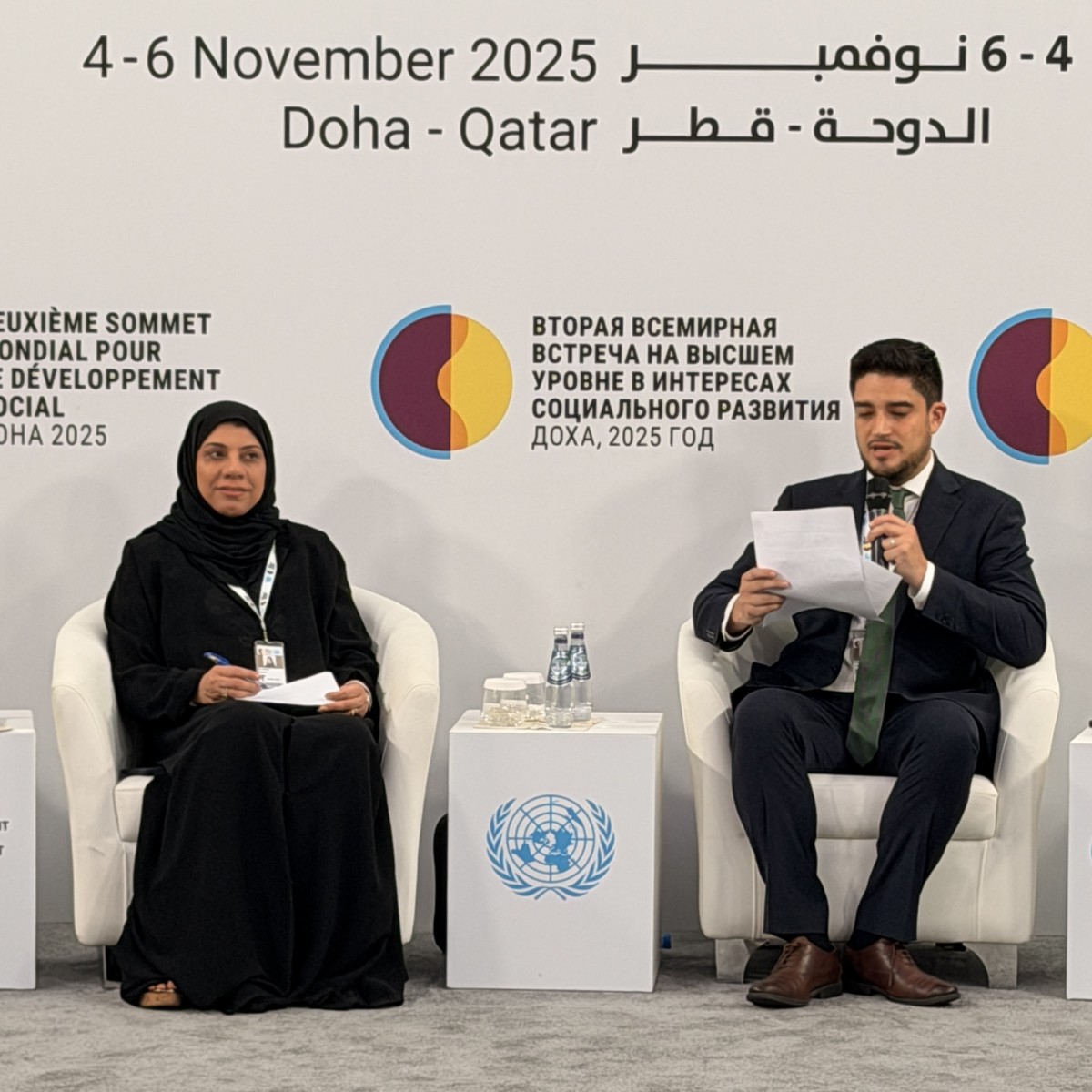
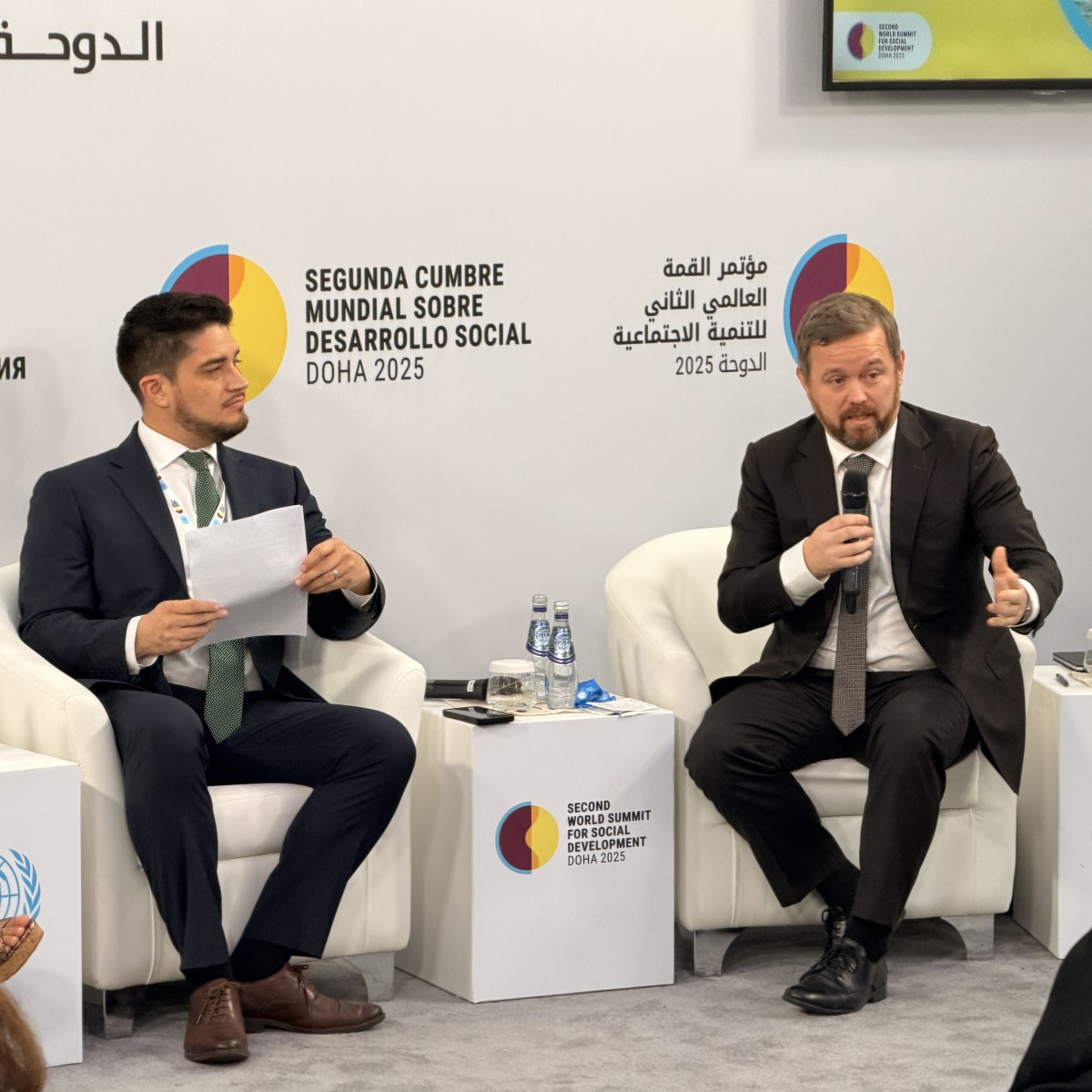
Background Note
Civil society leaders present concrete family policy and care solutions advancing the commitments of the World Summit on Social Development.
The II World Summit on Social Development—held in Doha—places renewed emphasis on social development as a pillar for sustainable, inclusive, and equitable societies. Families are where social development begins. They are the first environment where human capabilities are nurtured, values are transmitted, and resilience is built. Yet, family policies worldwide remain fragmented, often under-resourced, and insufficiently connected to community-based efforts and civil society innovation.
The Solution Studio serves as the primary venue for showcasing tangible, high-impact commitments to advancing social development. It is designed to offer governments, NGOs, academic institutions, and private actors a platform to present real-world solutions, measurable outcomes, and scalable models. Sessions are broadcast via UN WebTV to engage global audiences beyond Doha, amplifying the Summit’s impact.
This session aims to demonstrate how civil society is shaping and implementing family-focused policies and programmes that respond to demographic shifts, promote social cohesion, and reinforce care and support systems.
About the Lead Organizer: IFFD
IFFD has emerged as a global leader in promoting family-oriented policymaking at the United Nations and beyond. With General Consultative Status at ECOSOC and a decades-long record of supporting family stability through research, advocacy, and training, IFFD:
– Promotes evidence-based family-oriented polities thought reports in collaboration with UN-System, academia and civil society platforms. For instance, SDG&Families Report with UNICEF and Families&Societies with the European Union,
– Leads the Good Practices Platform on Families and Urban Development, implemented in 250+ cities and regions across various regions.
– Contributes to UN resolutions and reports addressing parenting support, intergenerational solidarity, unpaid care work, and youth transitions.
– Movilizes civil society, academia, and local governments to implement family-responsive social policies, particularly in the context of the 2030 Agenda and the forthcoming Doha Political Declaration.
At the Summit, IFFD’s commitment focuses on strengthening family policy ecosystems through multi-stakeholder partnerships, evidence-based advocacy, and capacity-building programmes
Objective of the Studio Session
To highlight innovative civil society solutions that reinforce family policies and care systems, while showcasing how collaboration between NGOs, academic institutions, and local governments can:
– Enhance social protection, parenting support, and child well-being;
– Address demographic challenges, gender inequalities, and youth vulnerabilities
– Translate national commitments into localized, measurable action;
– Contribute to the implementation of the Doha Political Declaration beyond the Summit.
Format
30-minute live session in the Solutions Studio
Moderator provided by IFFD
Up to 5 speakers sharing key commitments and measurable results
Broadcast globally via UN WebTV
Partner Contributions and Initiatives
– IFFD Family Perspective integration into policy; SDG&Families Report and Families&Societies European Project, Good Practices Platform on Families and Urban Development; advocacy for recognition of unpaid care, work-family balance and parenting support and new technologies.
– UN-DESAGlobal policy frameworks, data on family trends, and support for evidence-based policymaking at national levels.
– SOS Children’s Villages Community and family strengthening programmes to prevent child-family separation and support alternative care.
– DIFI (Qatar Foundation) Research and policy dialogue on family well-being in the Middle East and North African region; indicators for family policy evaluation.
– Learning for Well-being Insitute Approaches to education and child development grounded in relational well-being and participatory methodologies.
– KADEM (Women and Democracy Association) Policy work on gender equity within the family, work-family balance, and care policies in Türkiye and beyond.
Expected Outcomes and Solutions
Visibility for concrete family-focused commitments and programmes
Identification of scalable models and tools for local implementation
Proposal to establish a Global Civil Society Coalition on Family Policy Innovation
Follow-up roadmap for advancing commitments through the UN system and regional platforms beyond the Summit
Agenda
Opening Remarks & Moderation

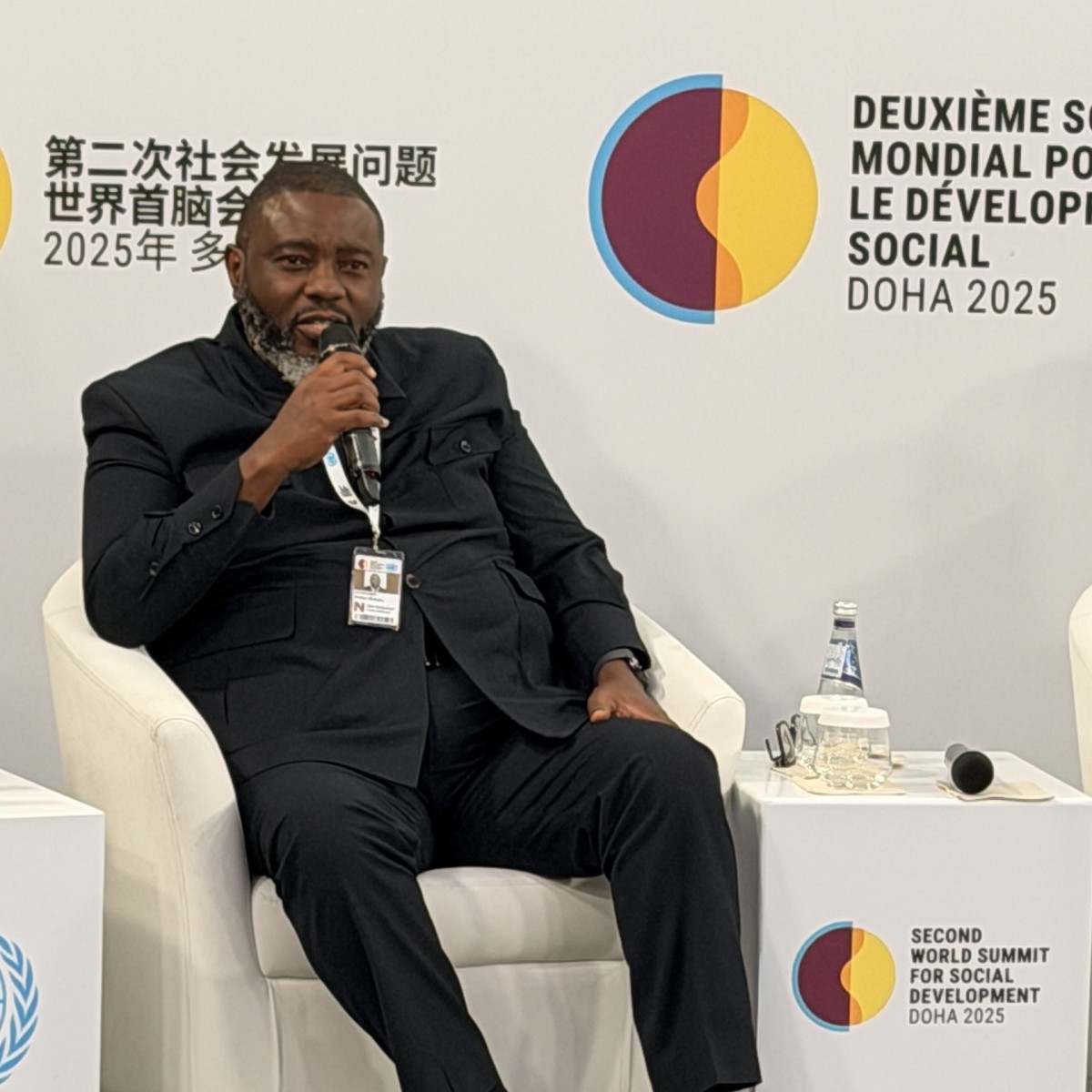
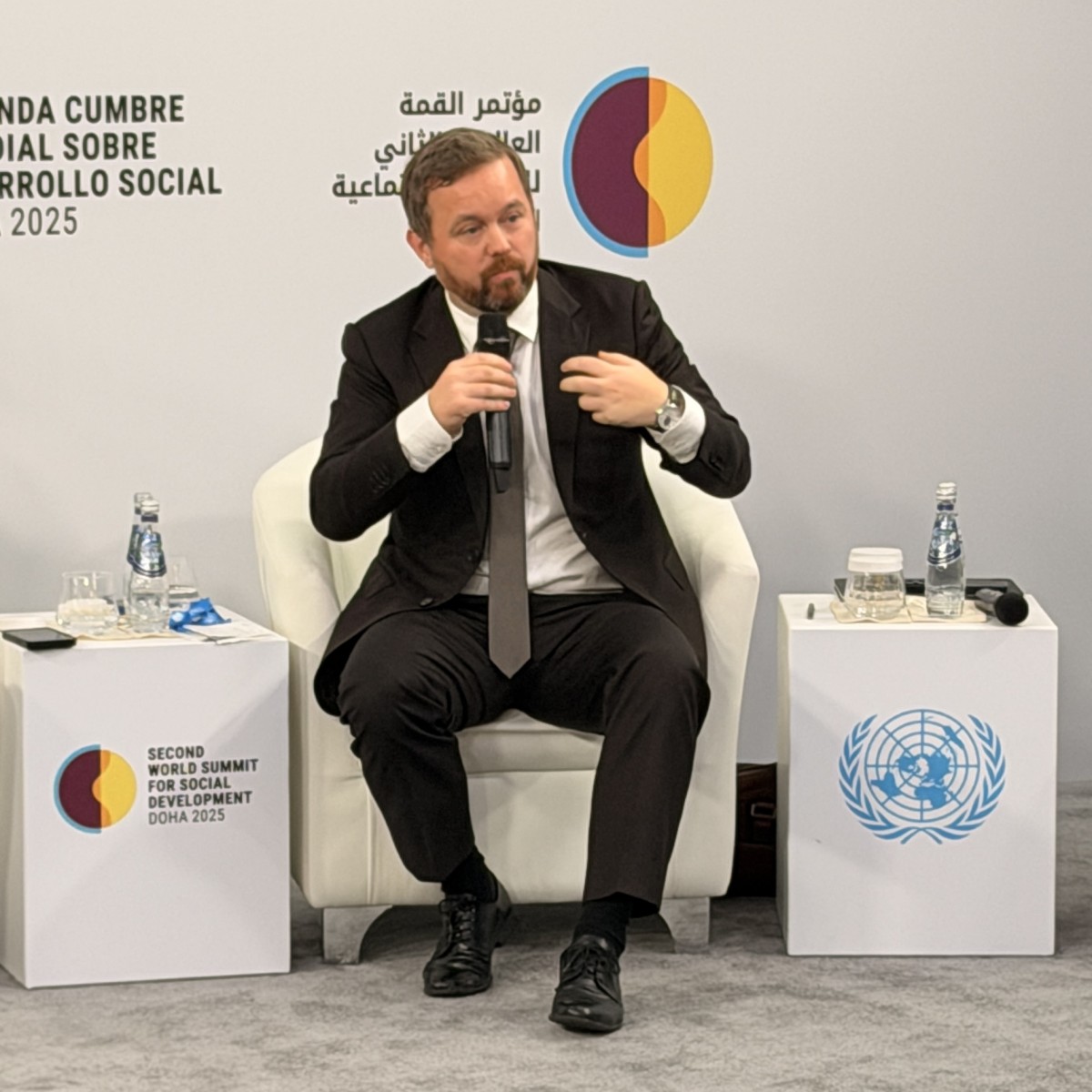
Jose Alejandro Vazquez
Director of International Relations
International Federation for Family Development (IFFD)
Civil Society Perspectives

Sharifa Al-Emadi
Executive Director
Doha International Family Institute
Policy development and family well-being in the MENA Region

Dominic Richardson
Managing Director
Learning for Well-being Institute
Investment in Child Development in European Region

Walter Odhiambo
National Director
SOS Children’s Villages Kenya
Family Strengthening Programs

Betül Özel Çiçek
Vice General Manager for Strategy and Impact
The Women and Democracy Foundation (KADEM)
Family Policies in Asia