


 |
 |
 |
 |
 |
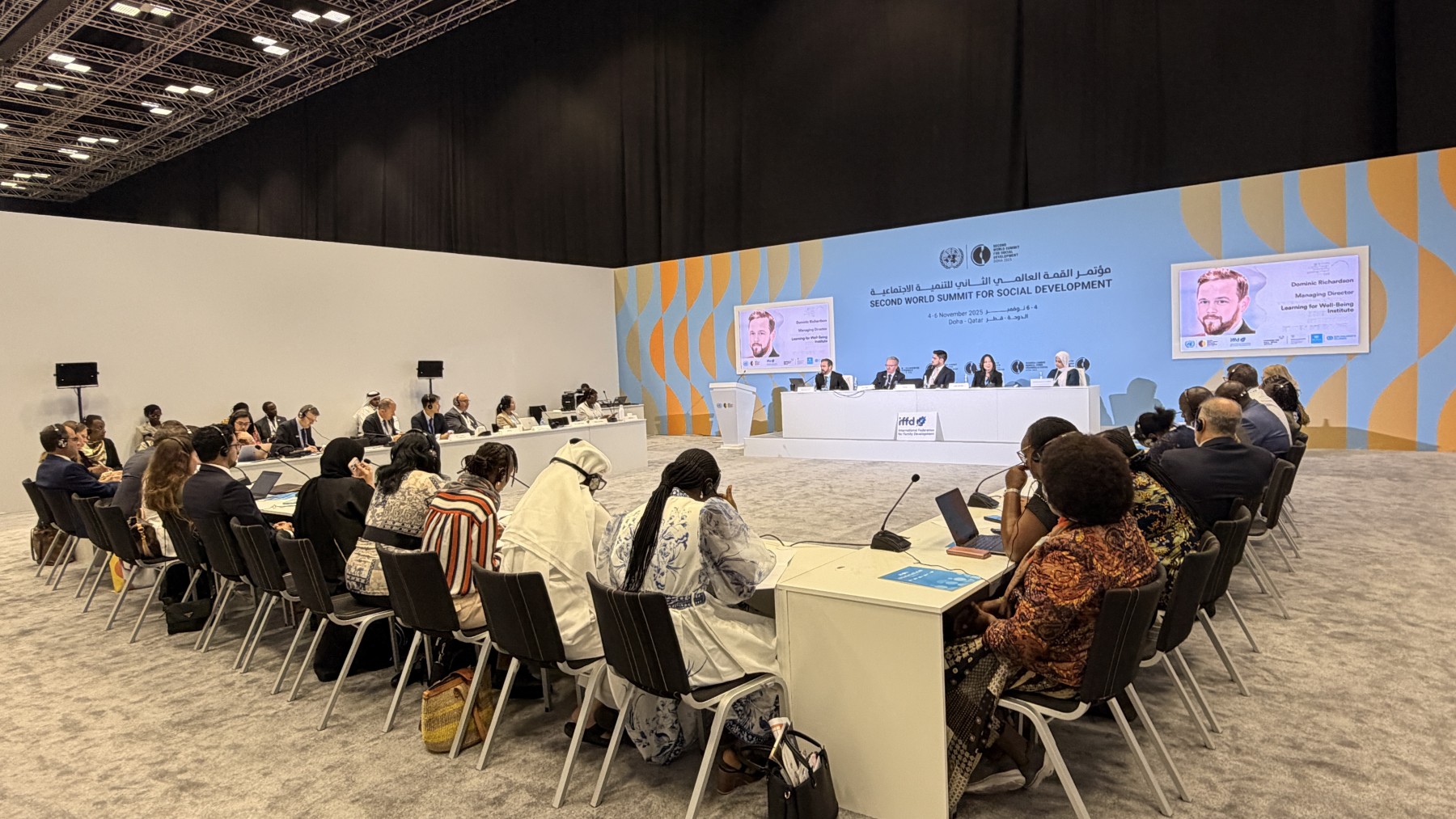
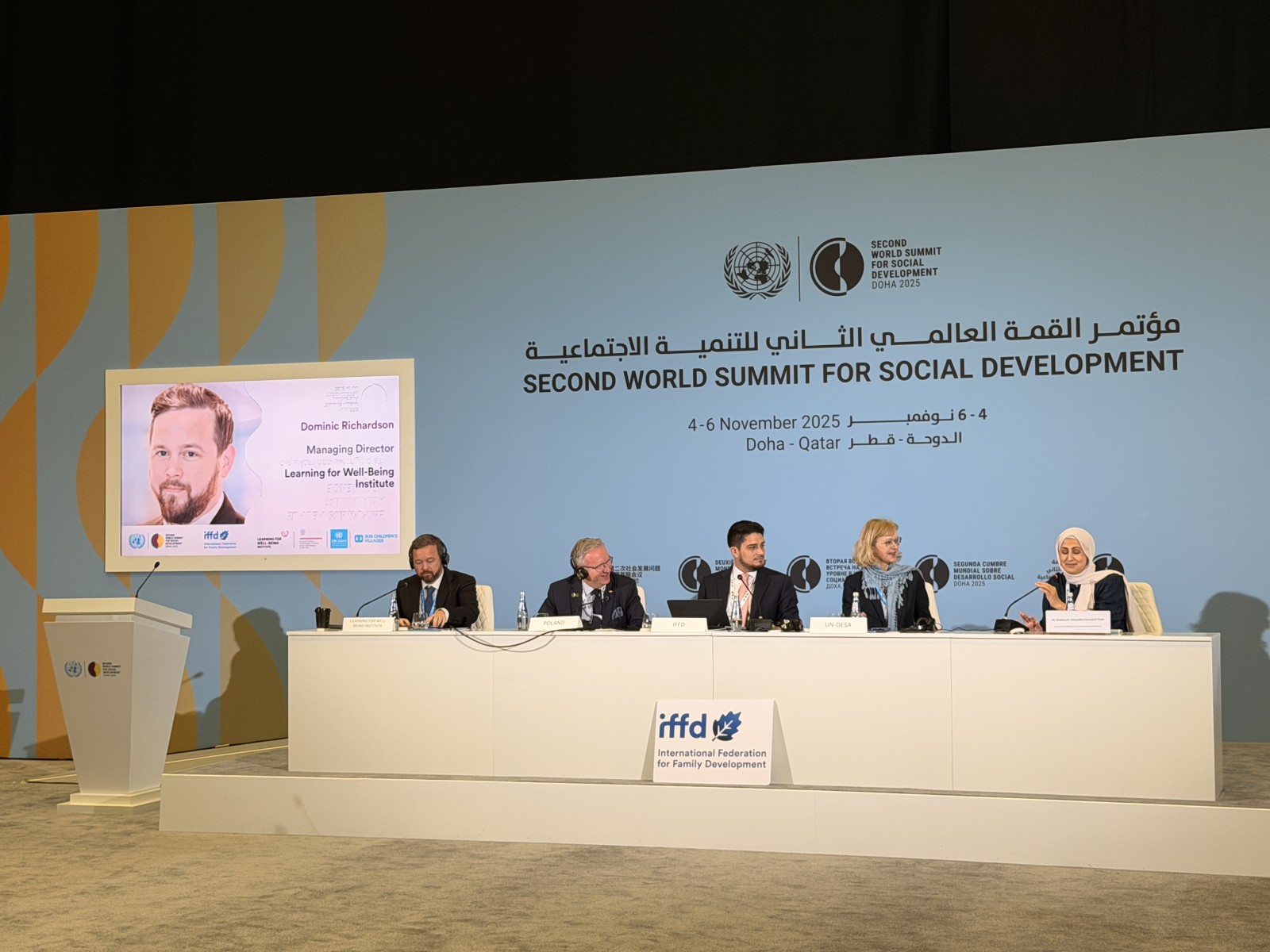
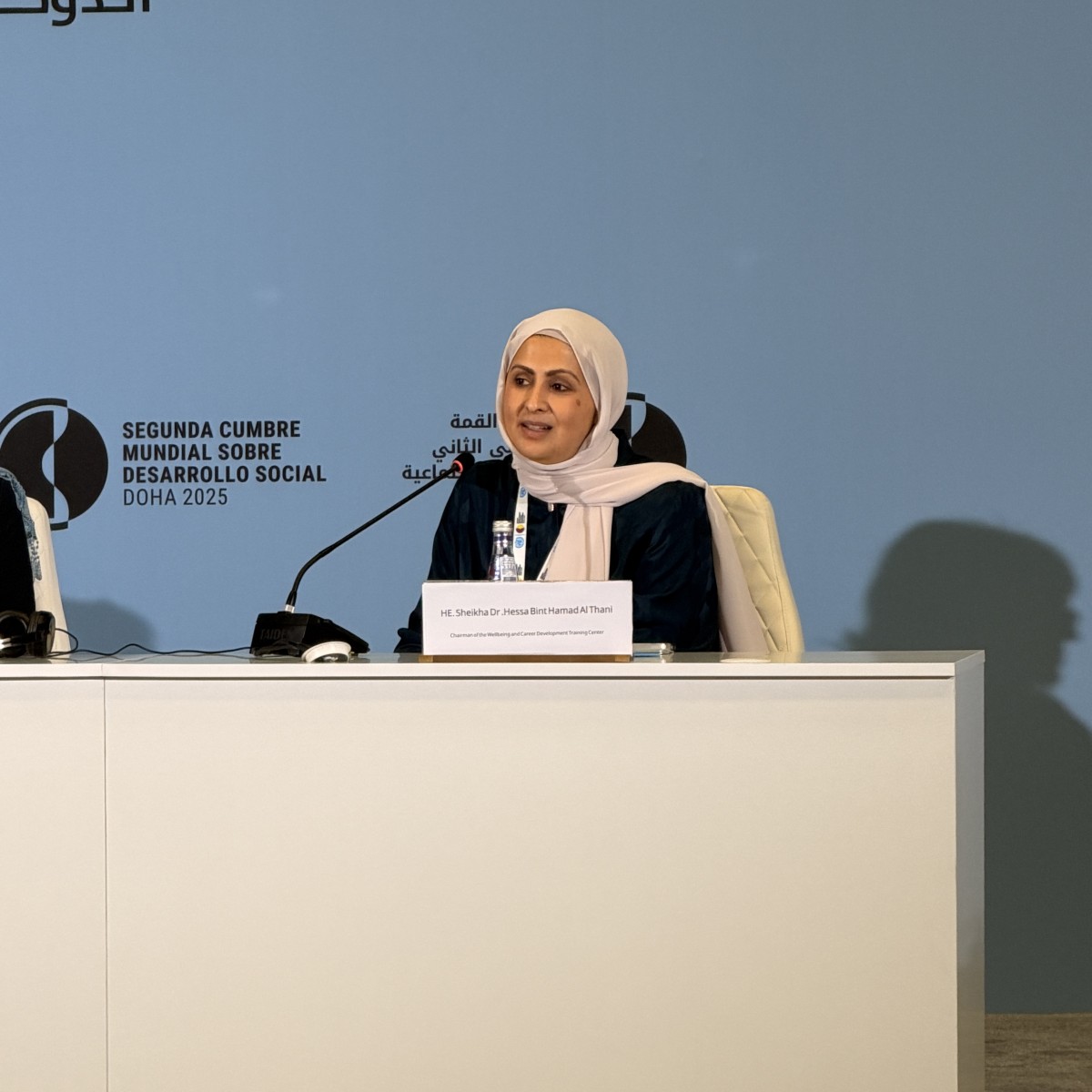
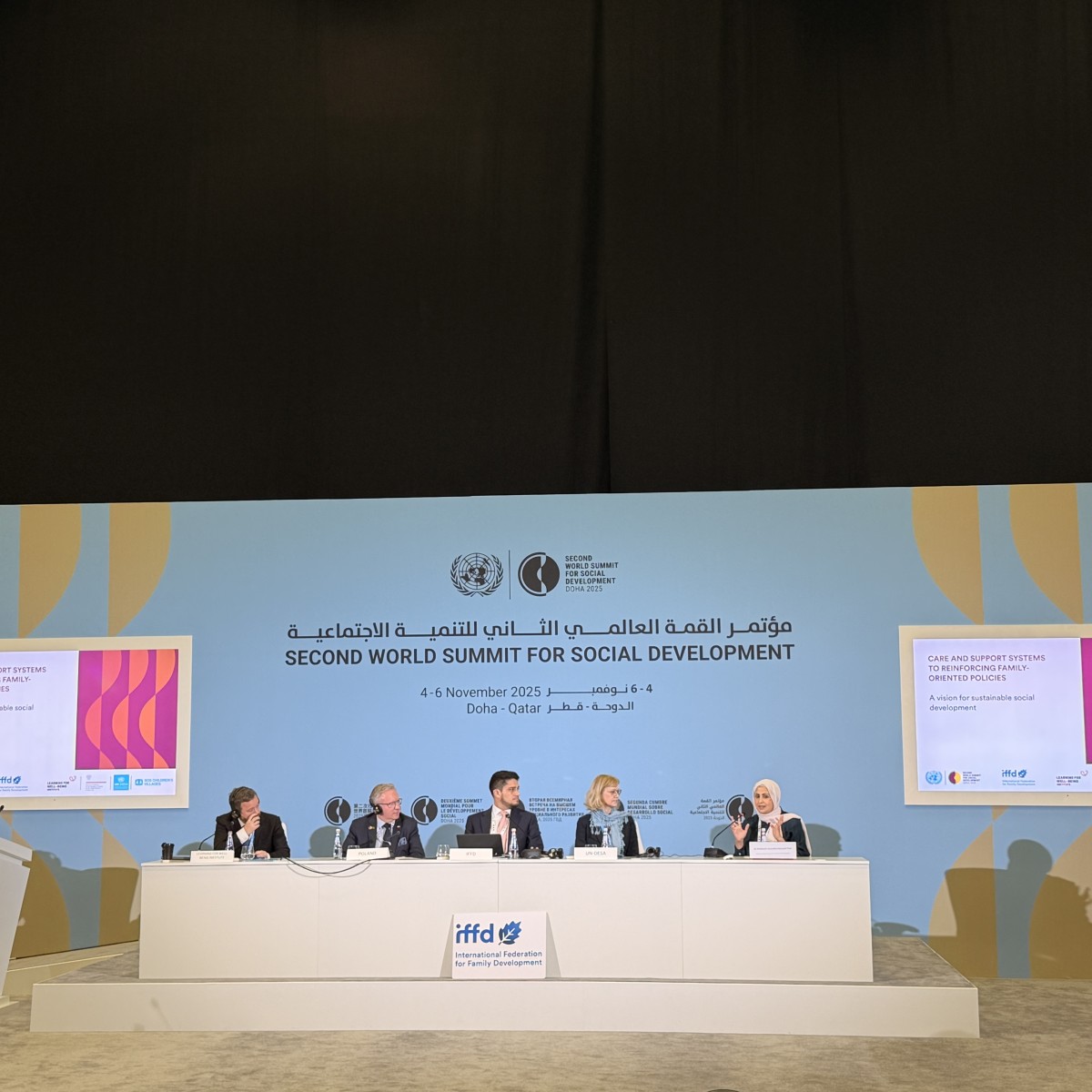
Care and Support Systems for Reinforcing Family-oriented Policies
A Vision for Sustainable Social Development
Solution Session at the World Summit on Social Development
Thursday, November 6th, 2025 – 1:15pm
Conference Room 6, Qatar National Convention Centre (Doha, Qatar)
Co-sponsored by
the Permanent Mission of Poland to the United Nations,
the SOS Children Villages’s International,
the Division of Inclusive Social Development of UN-DESA,
and the Learning for Well-being Institute
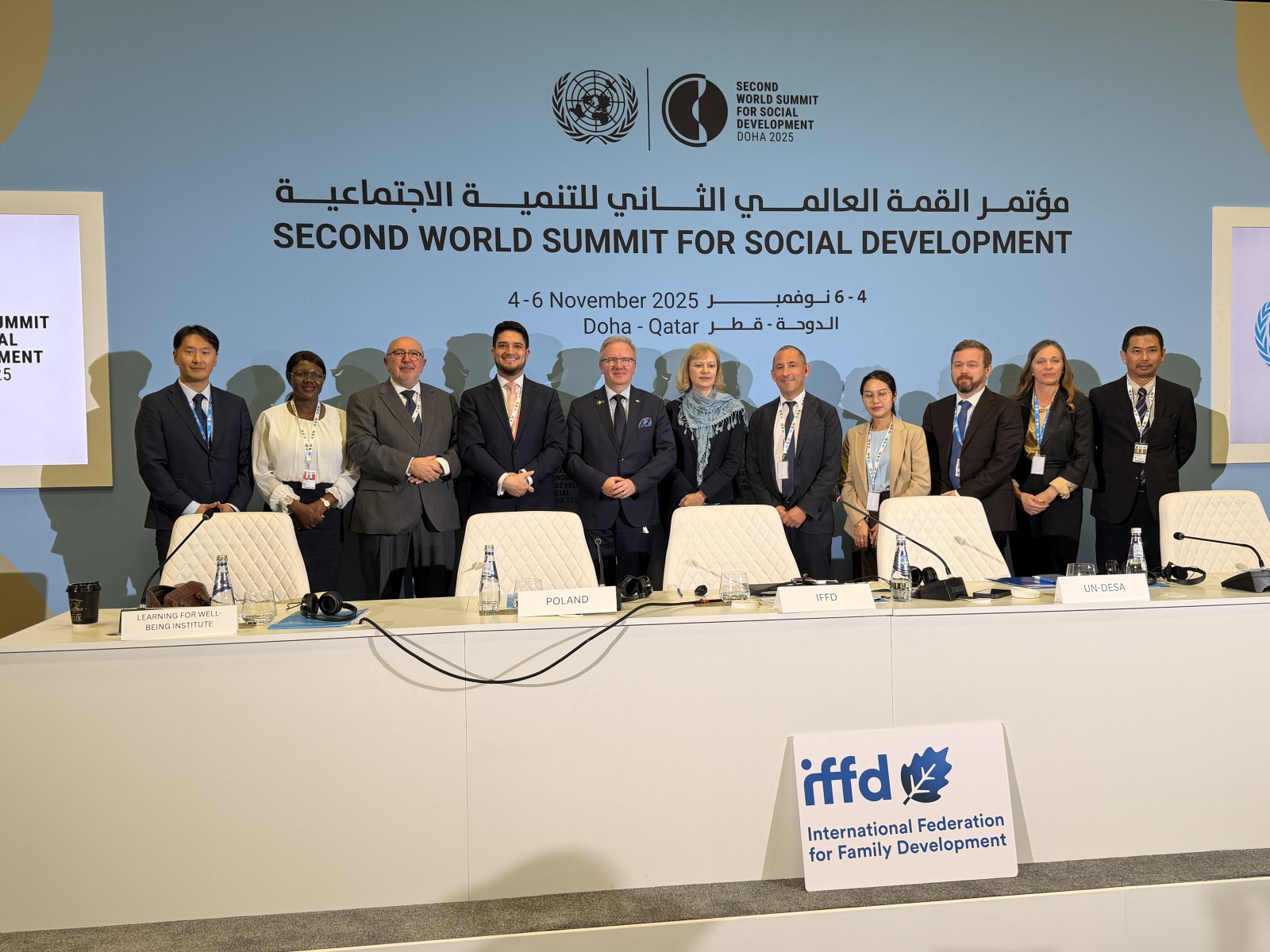
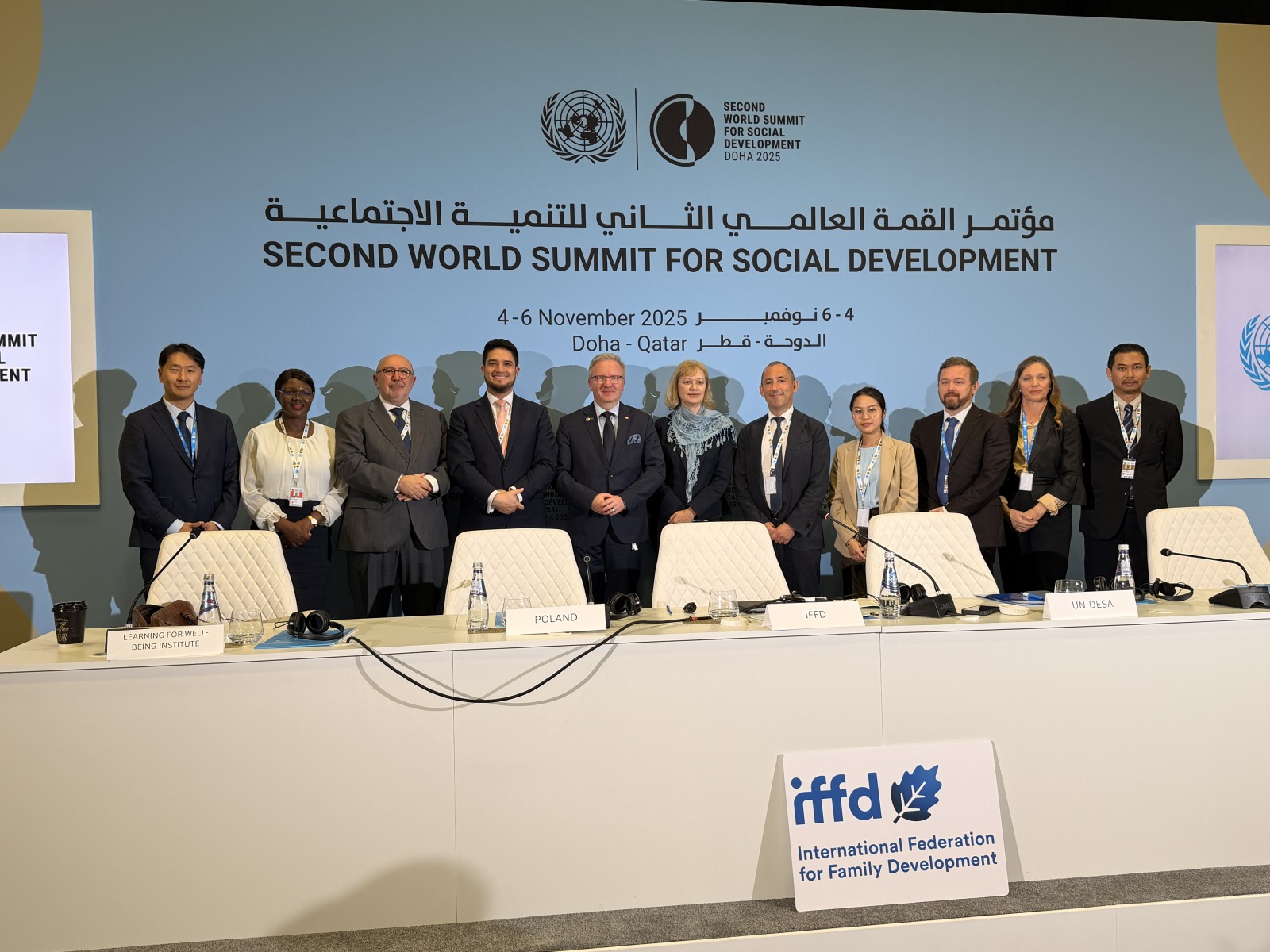
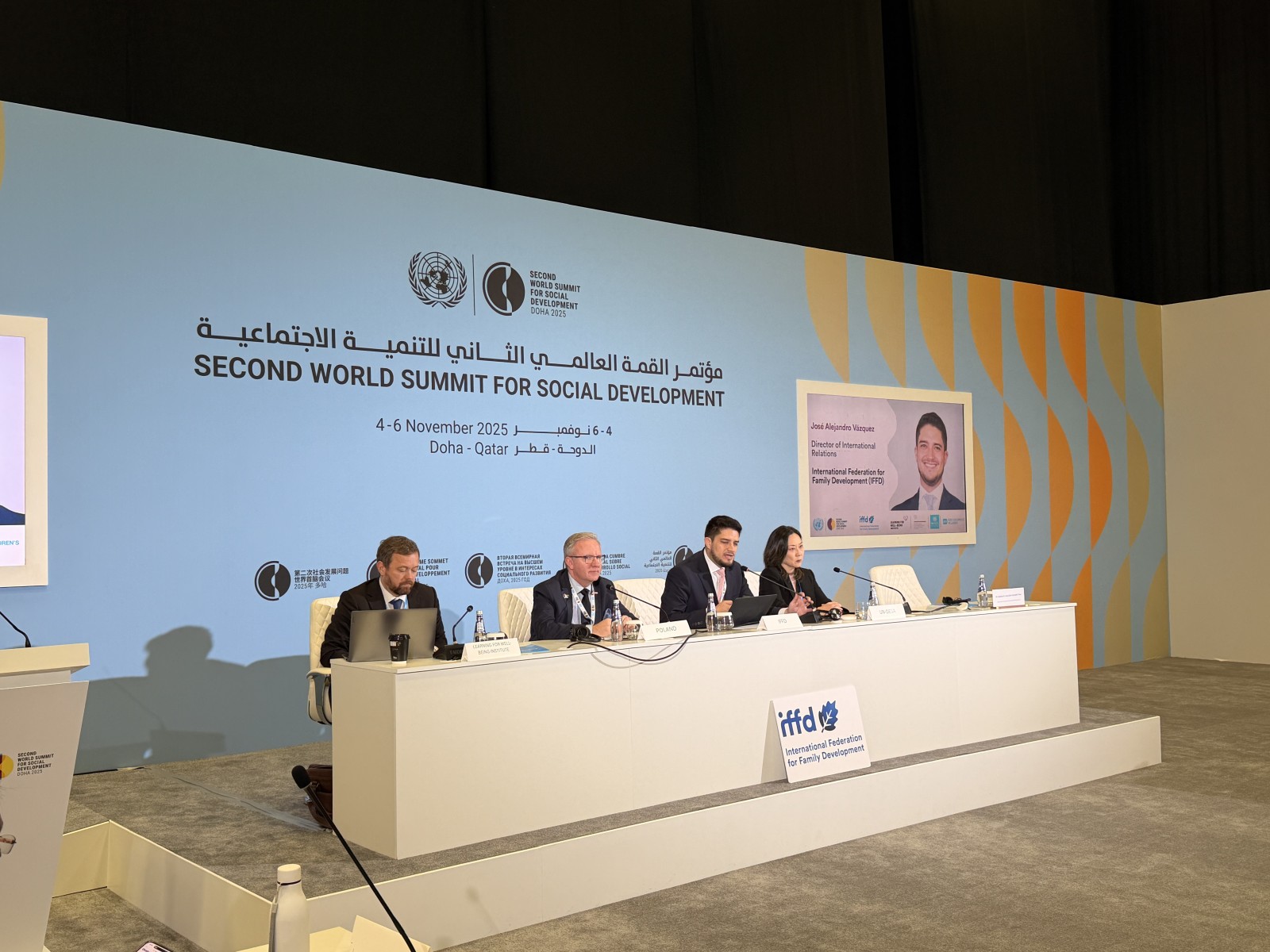
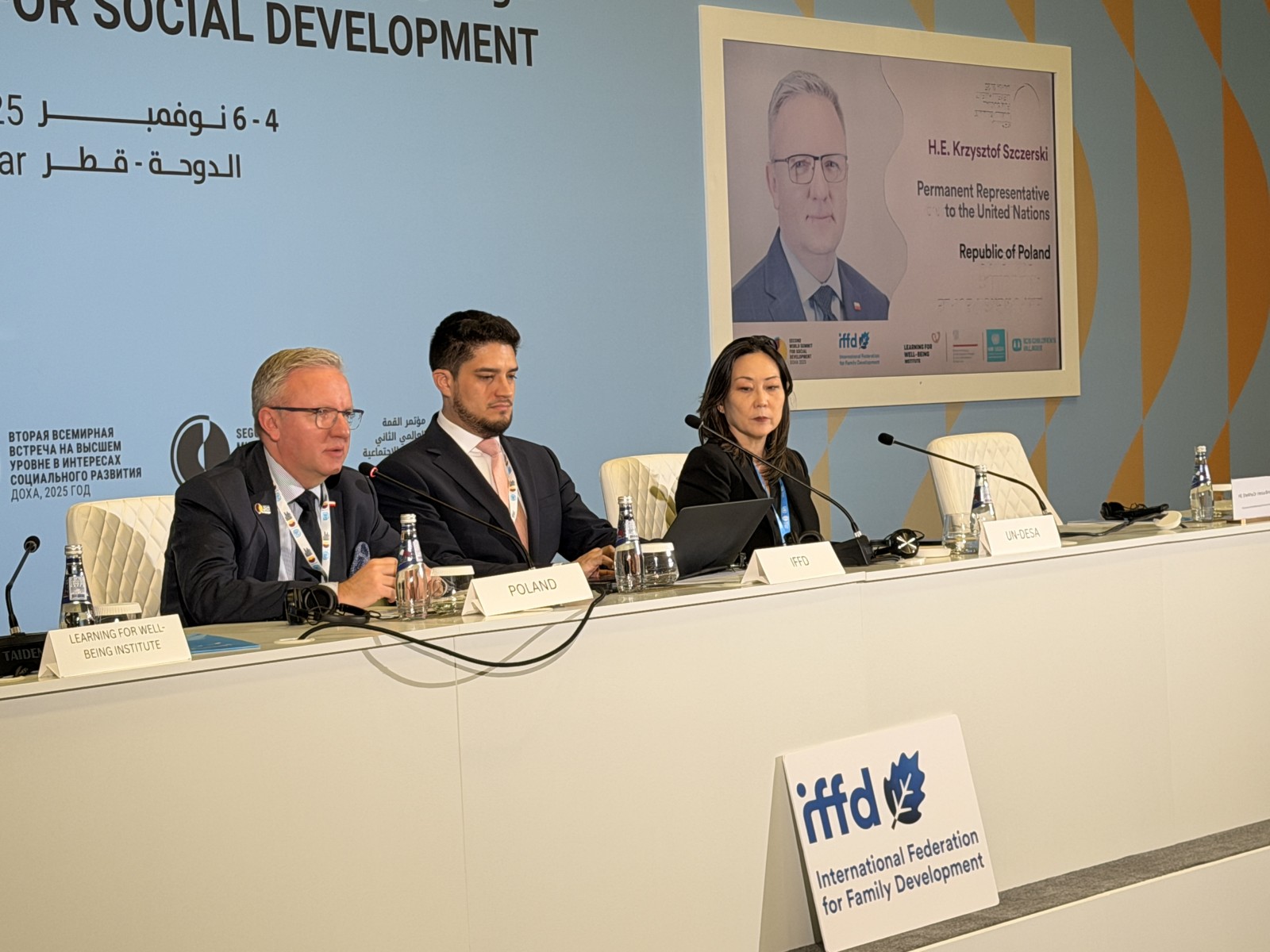
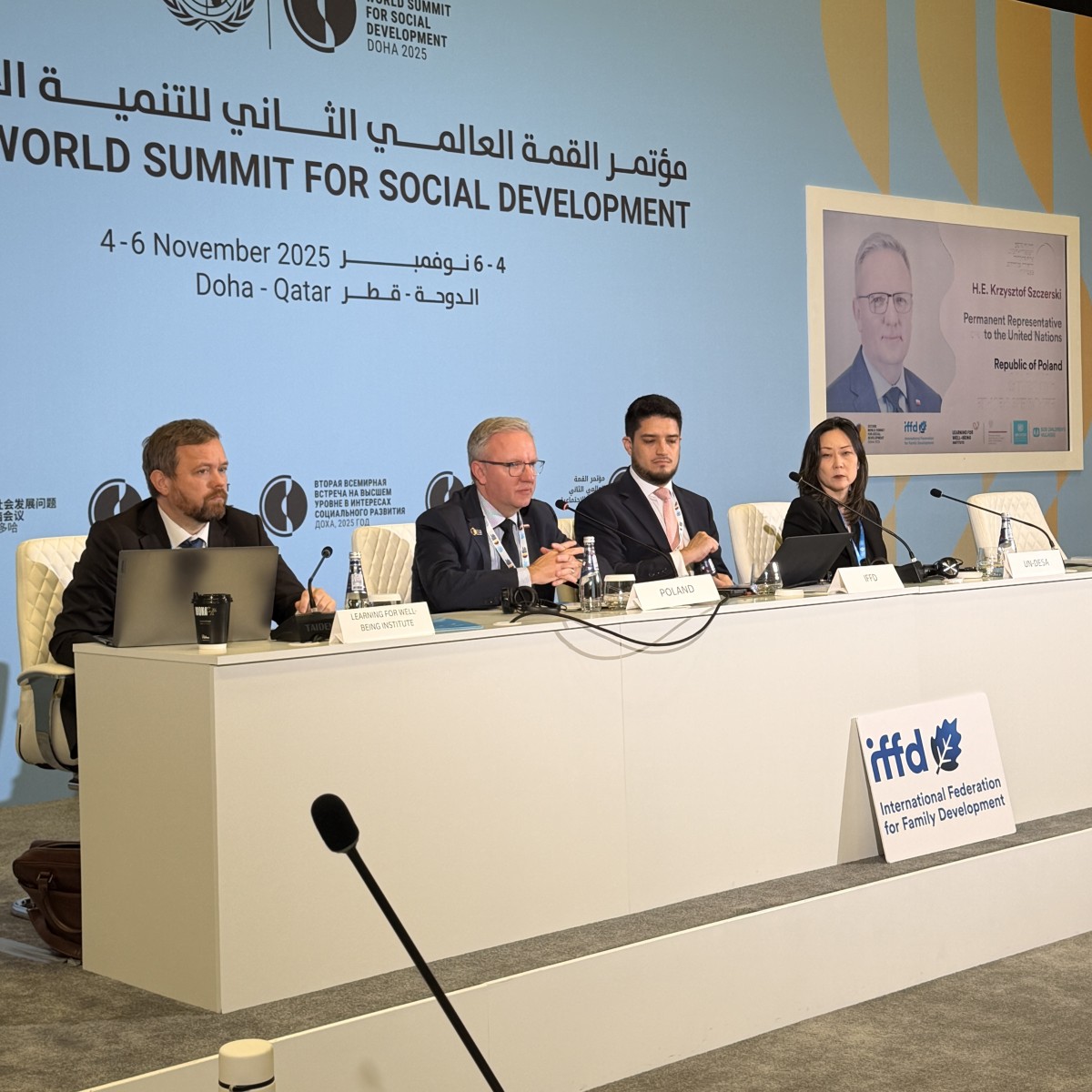
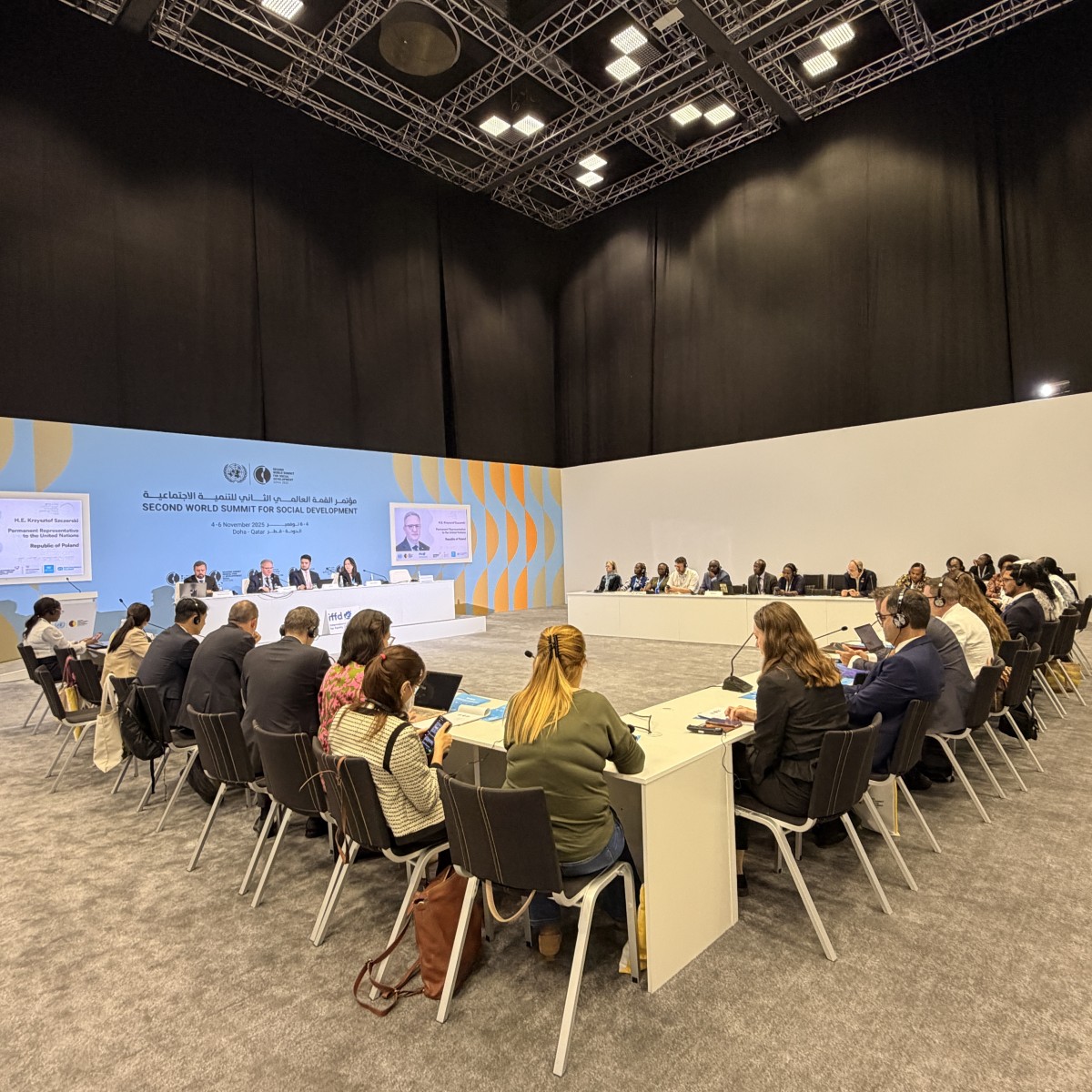
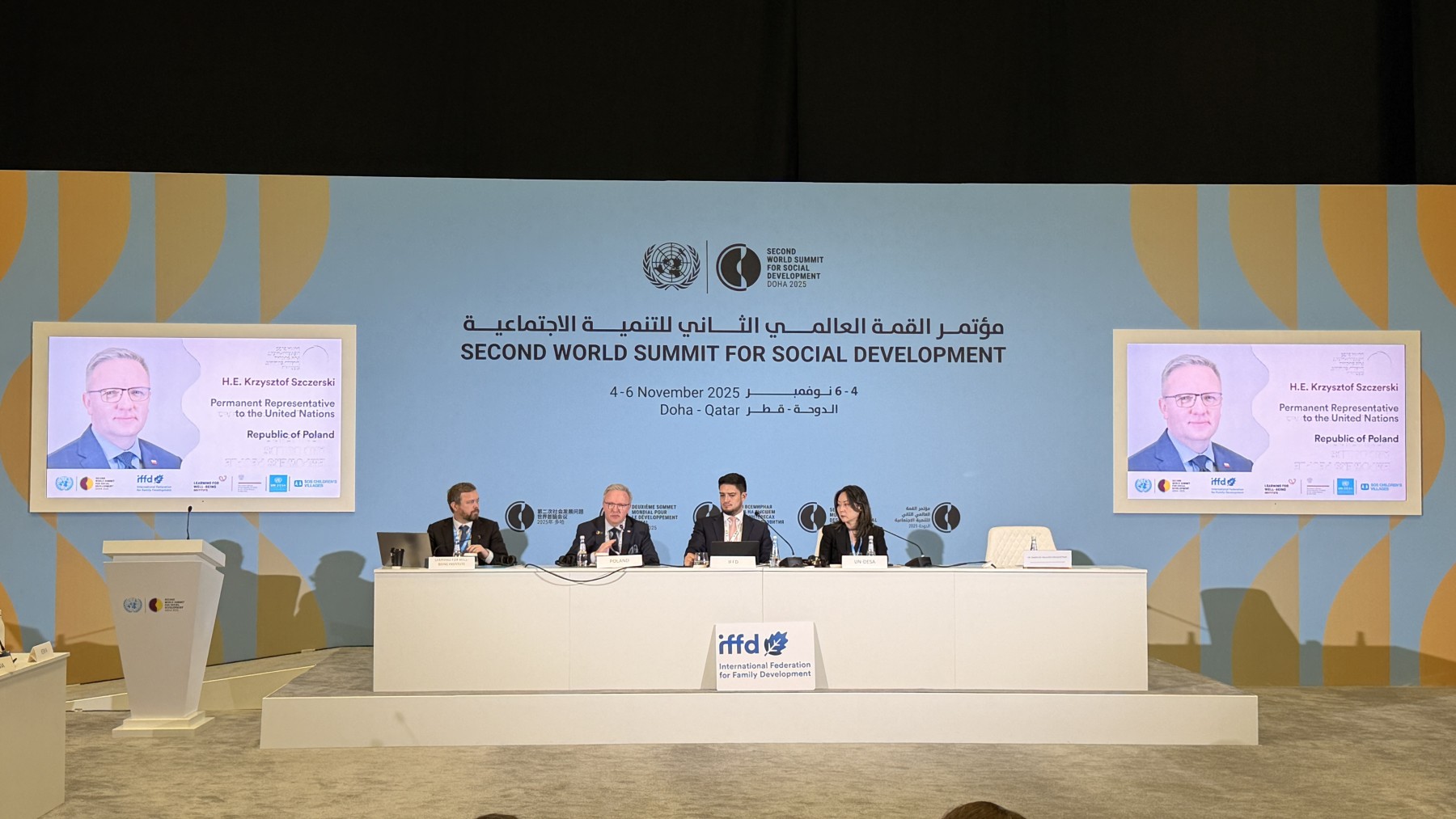
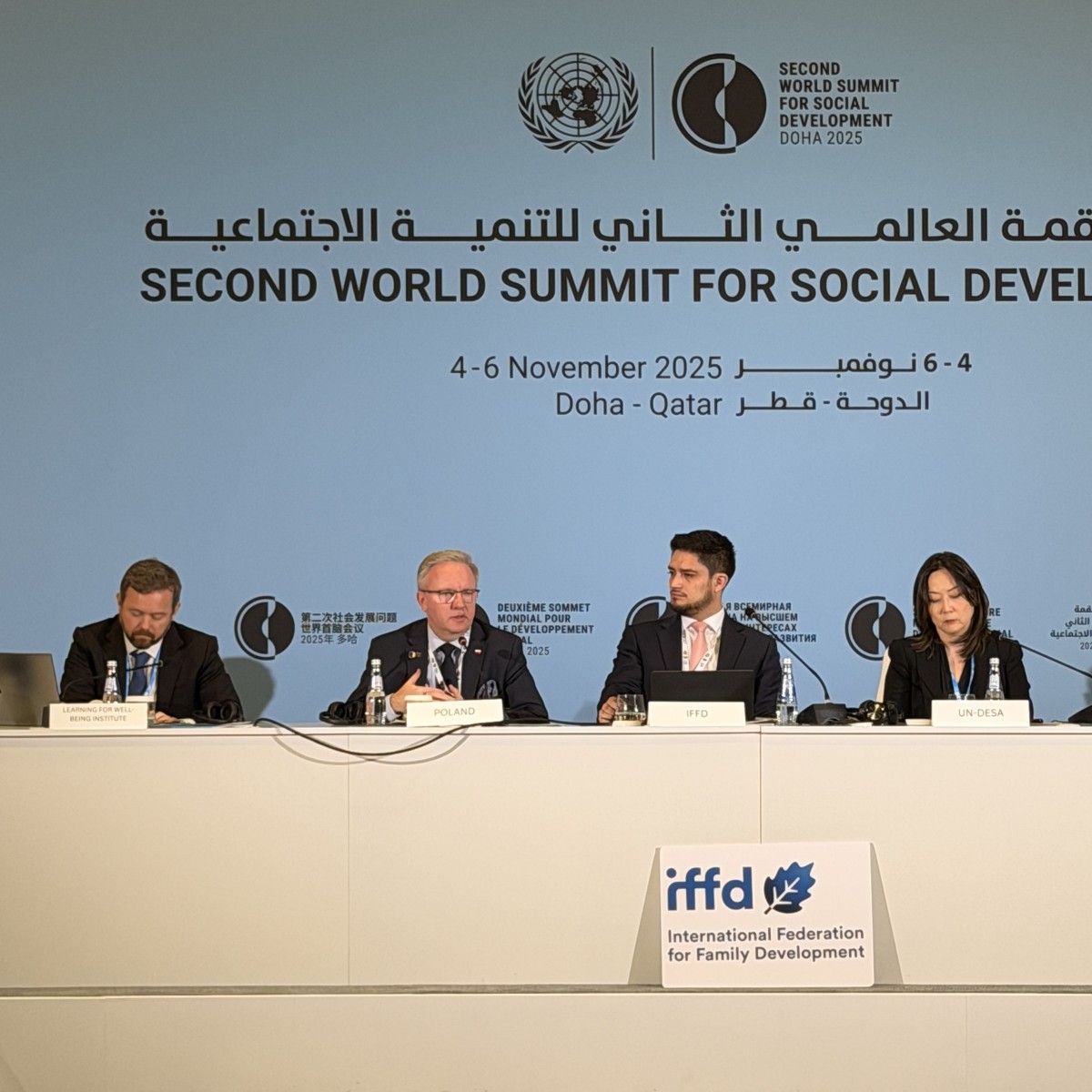
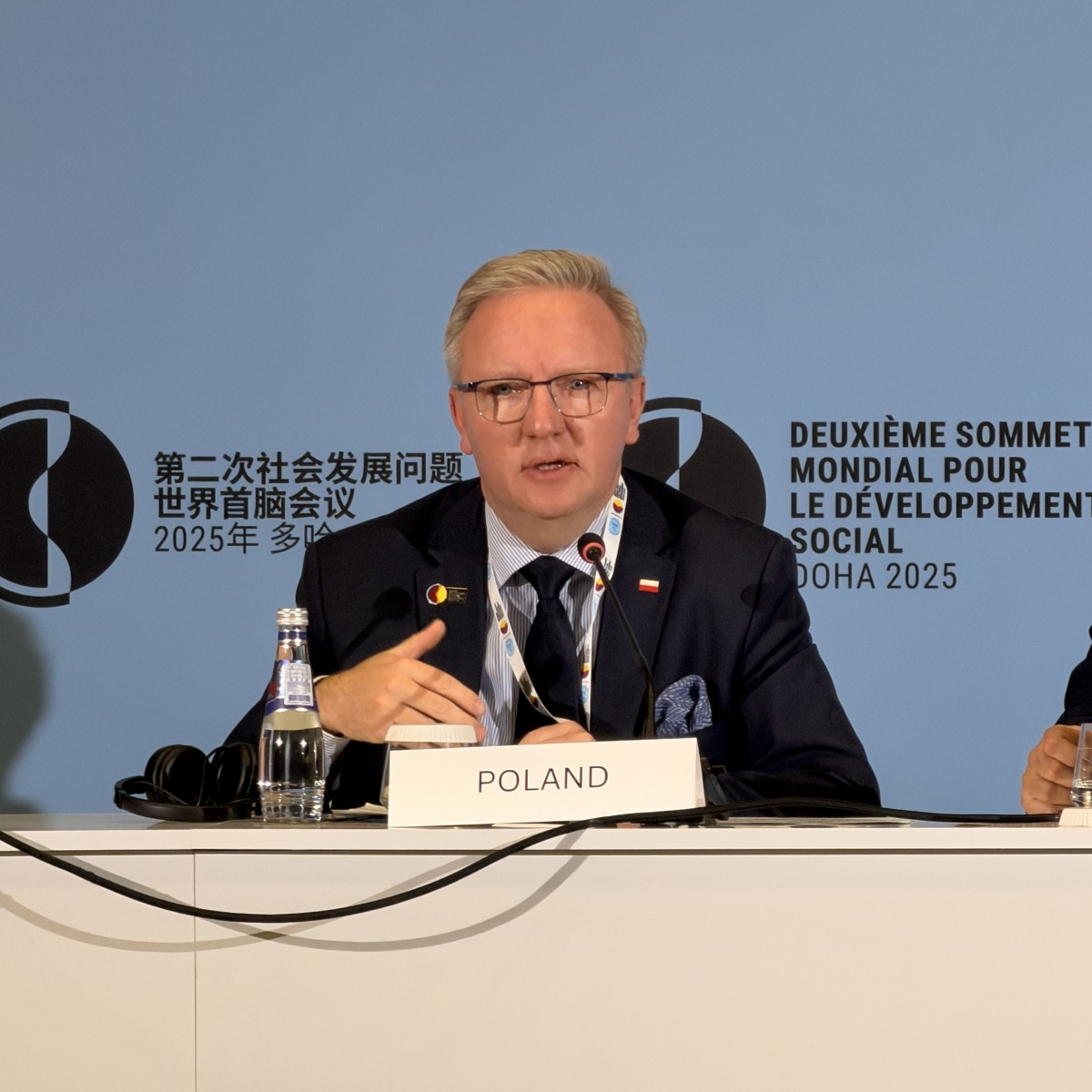
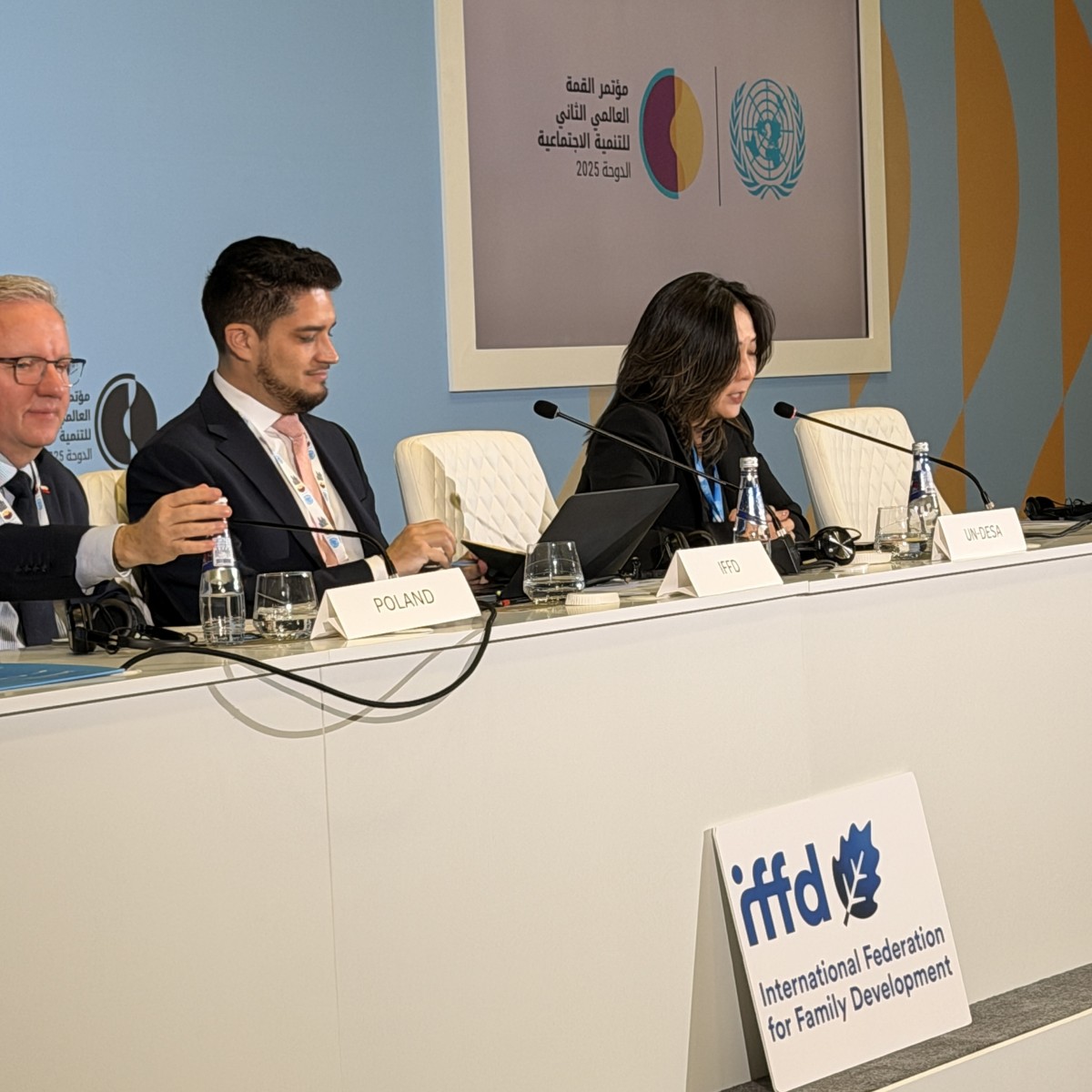
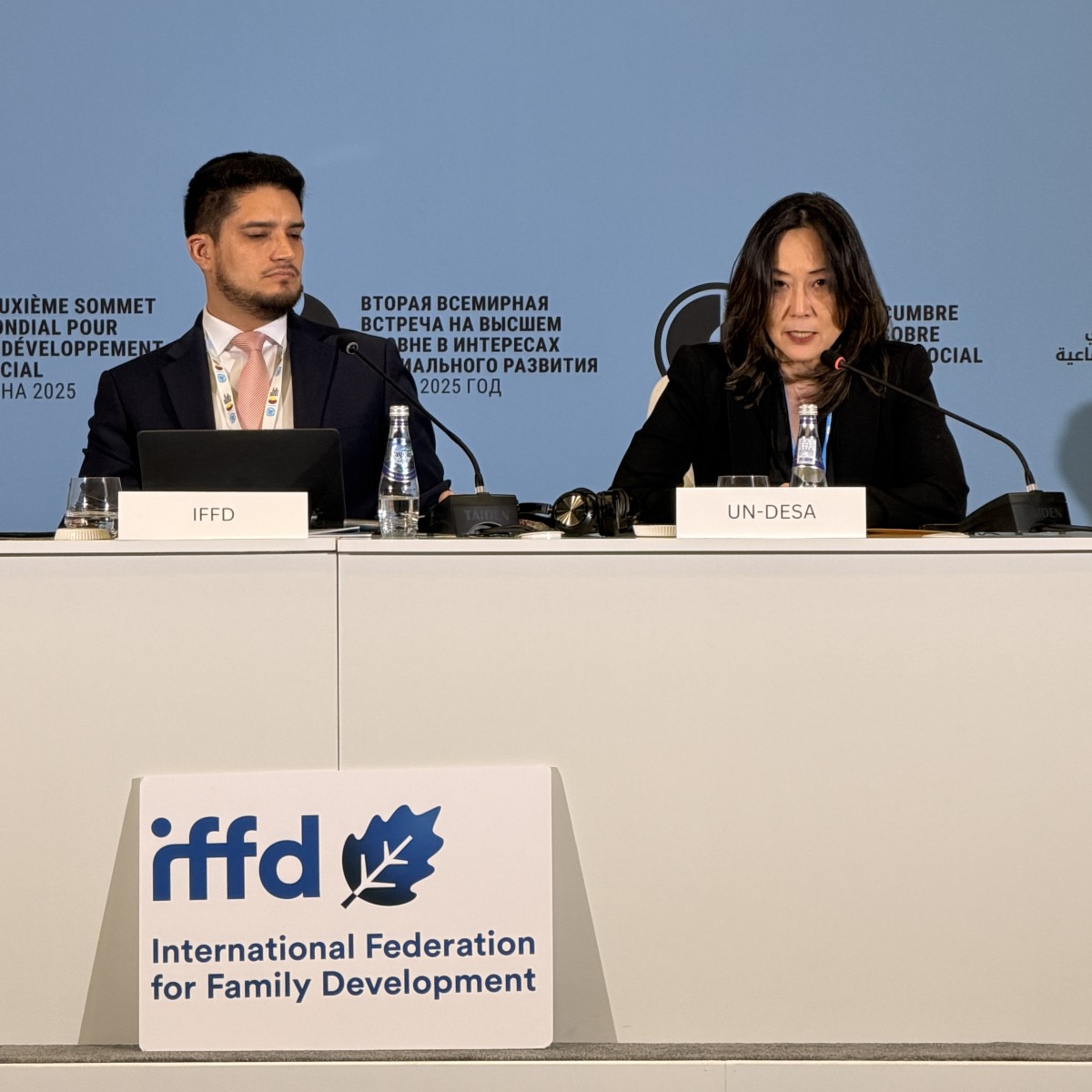
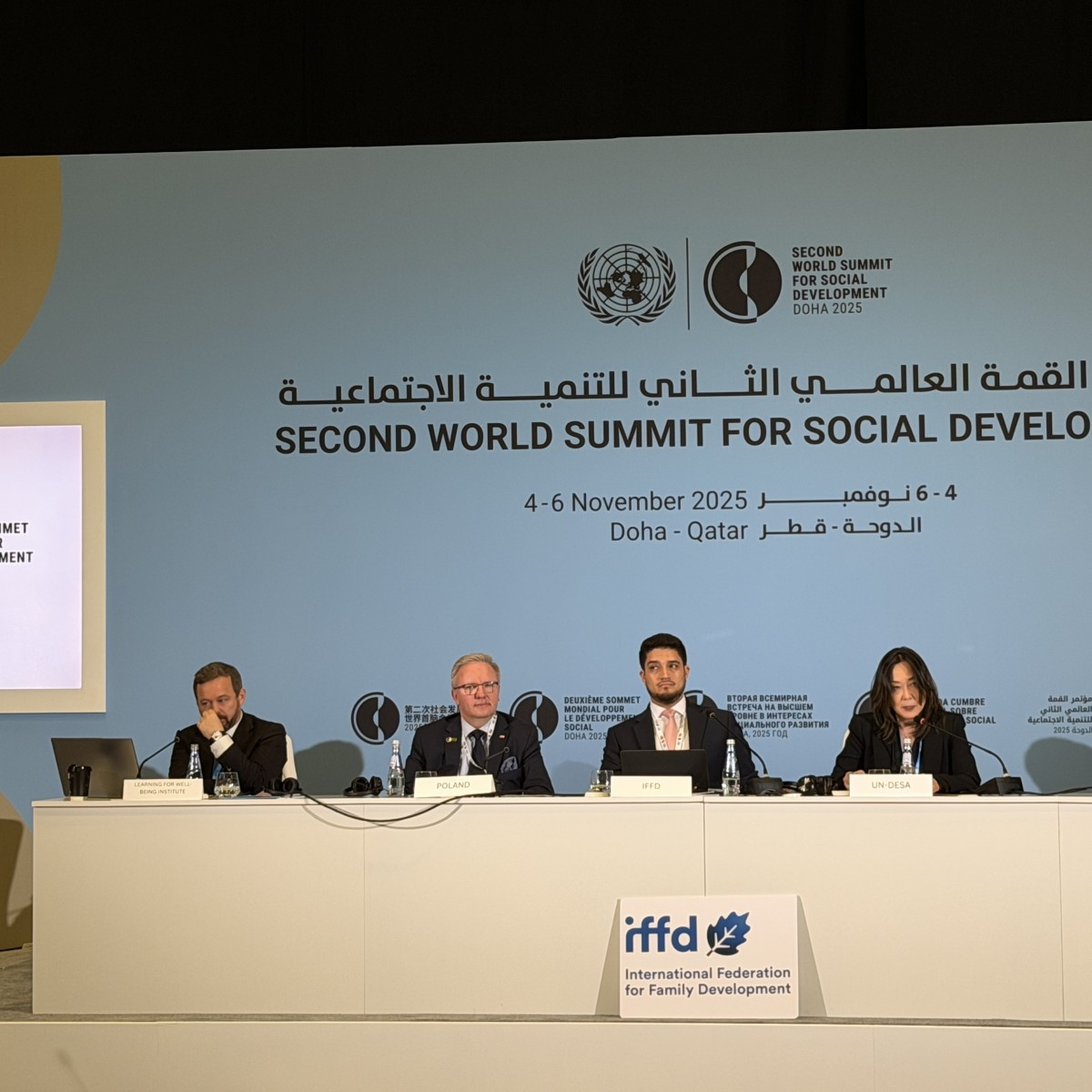
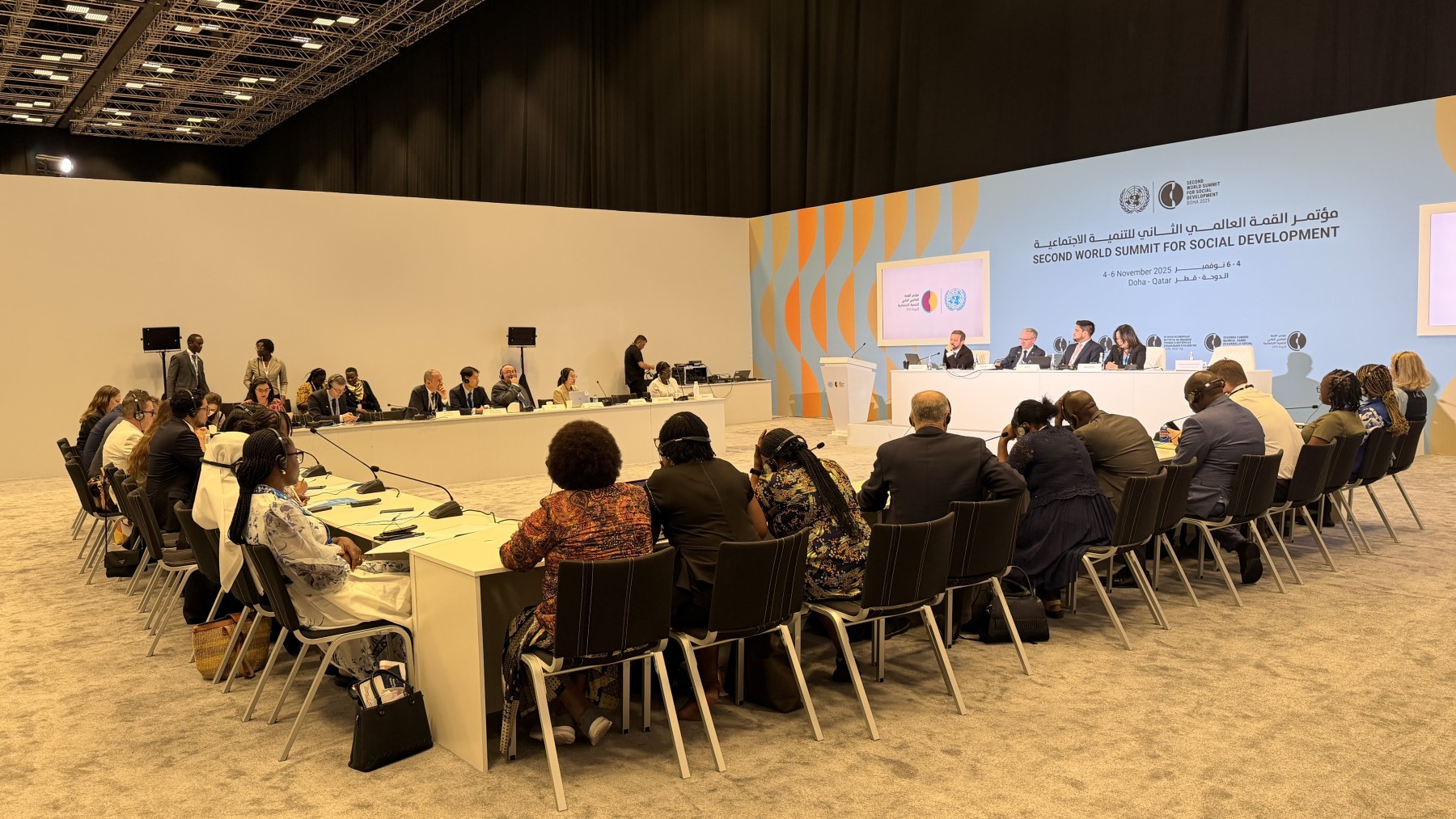
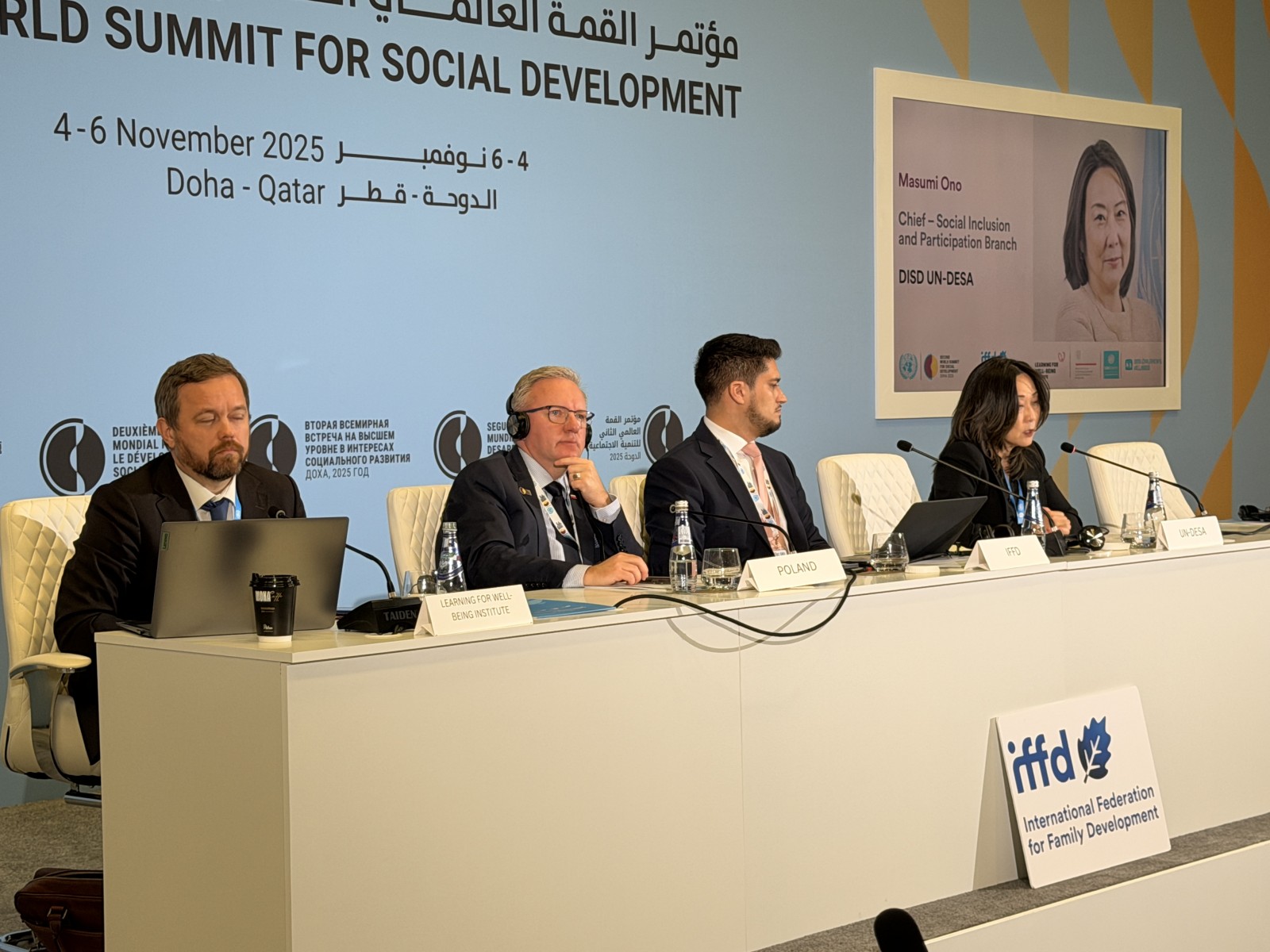
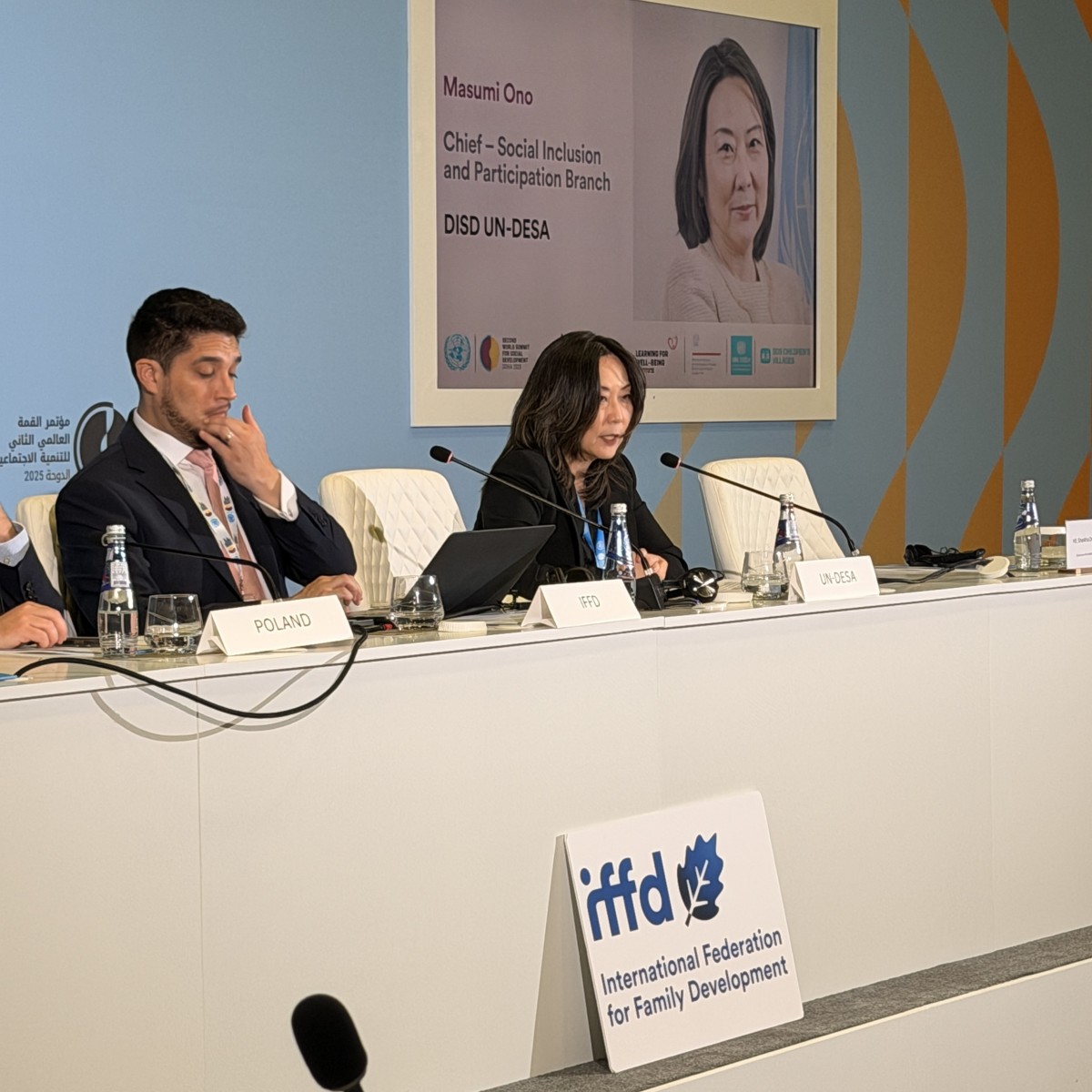
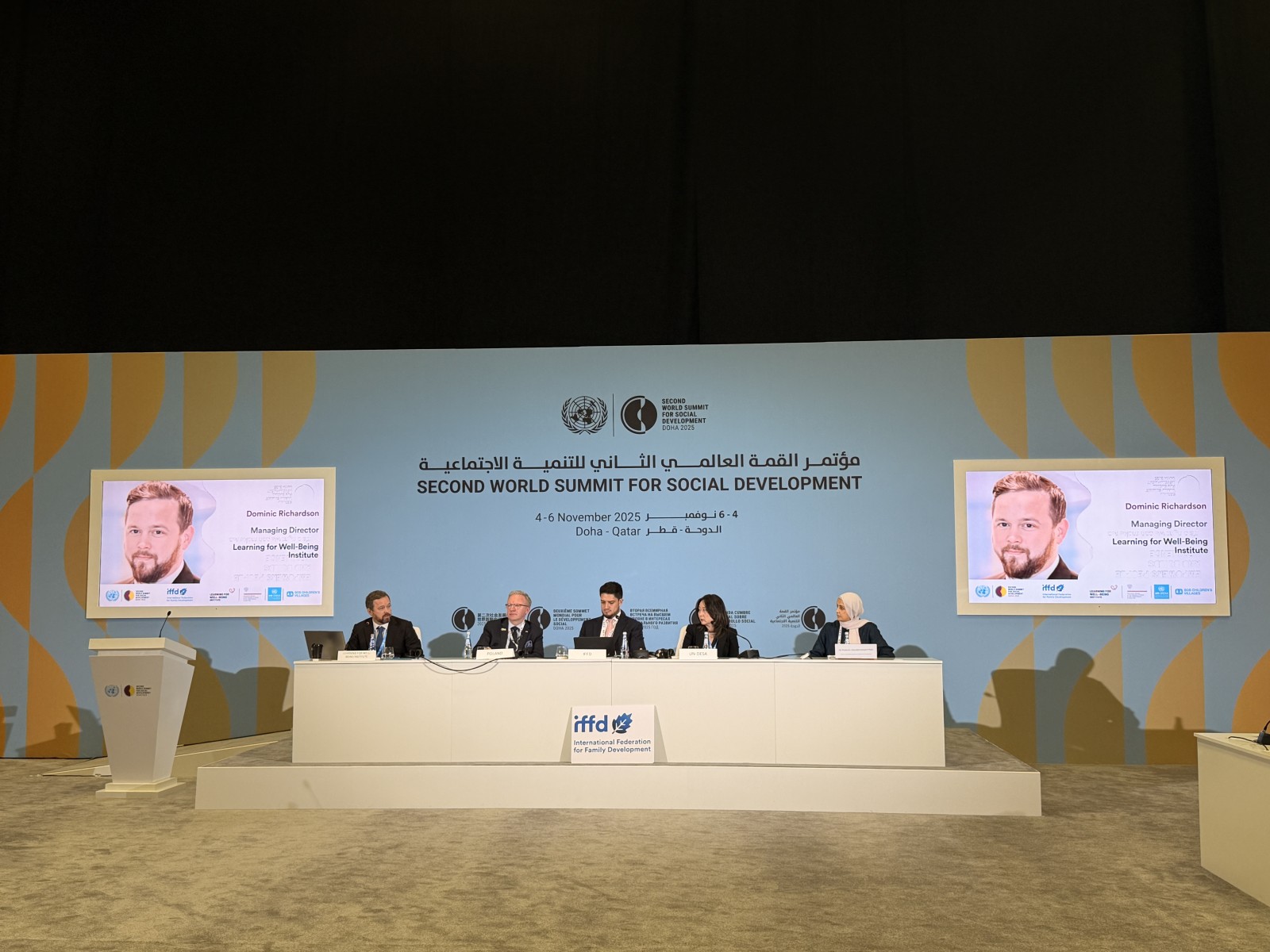
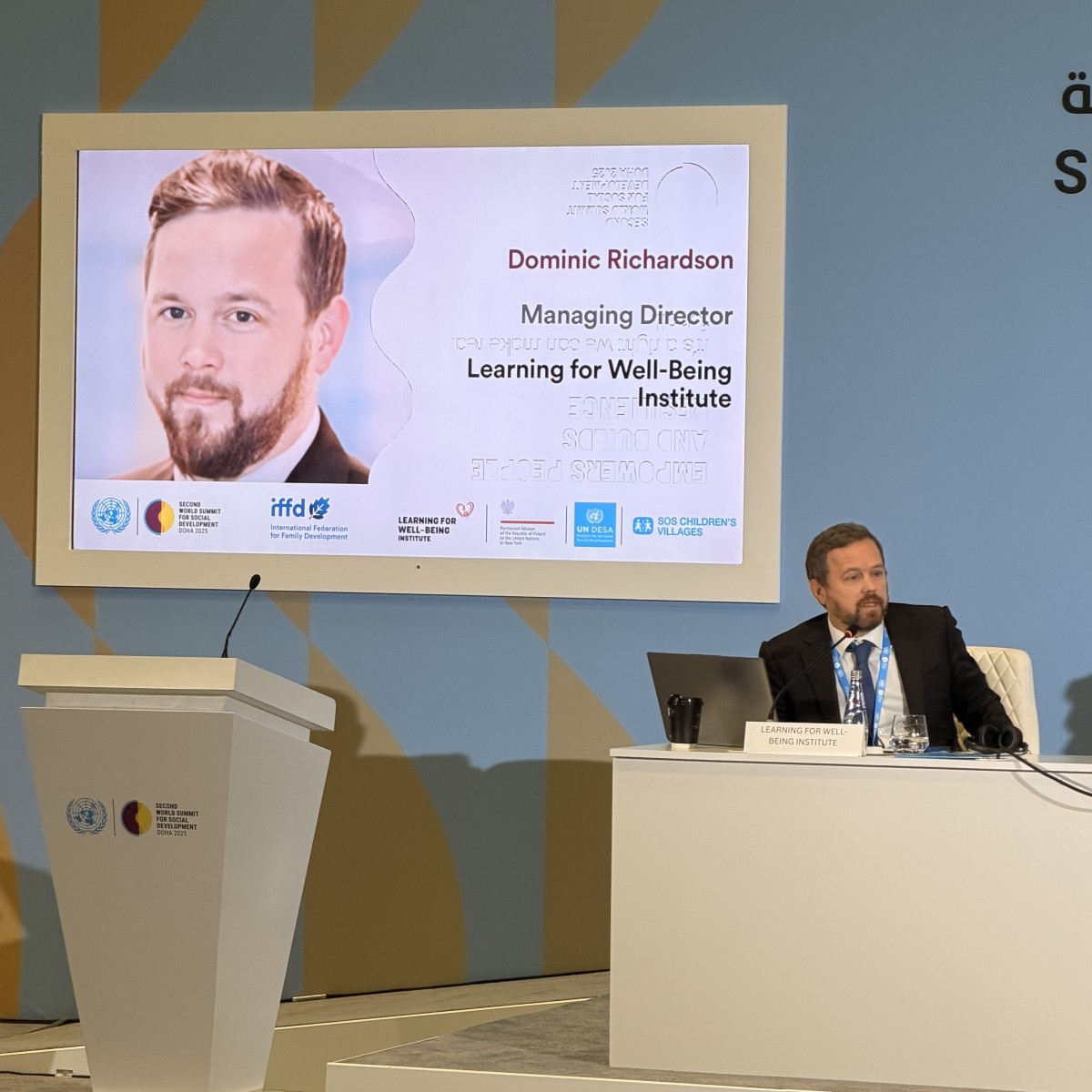
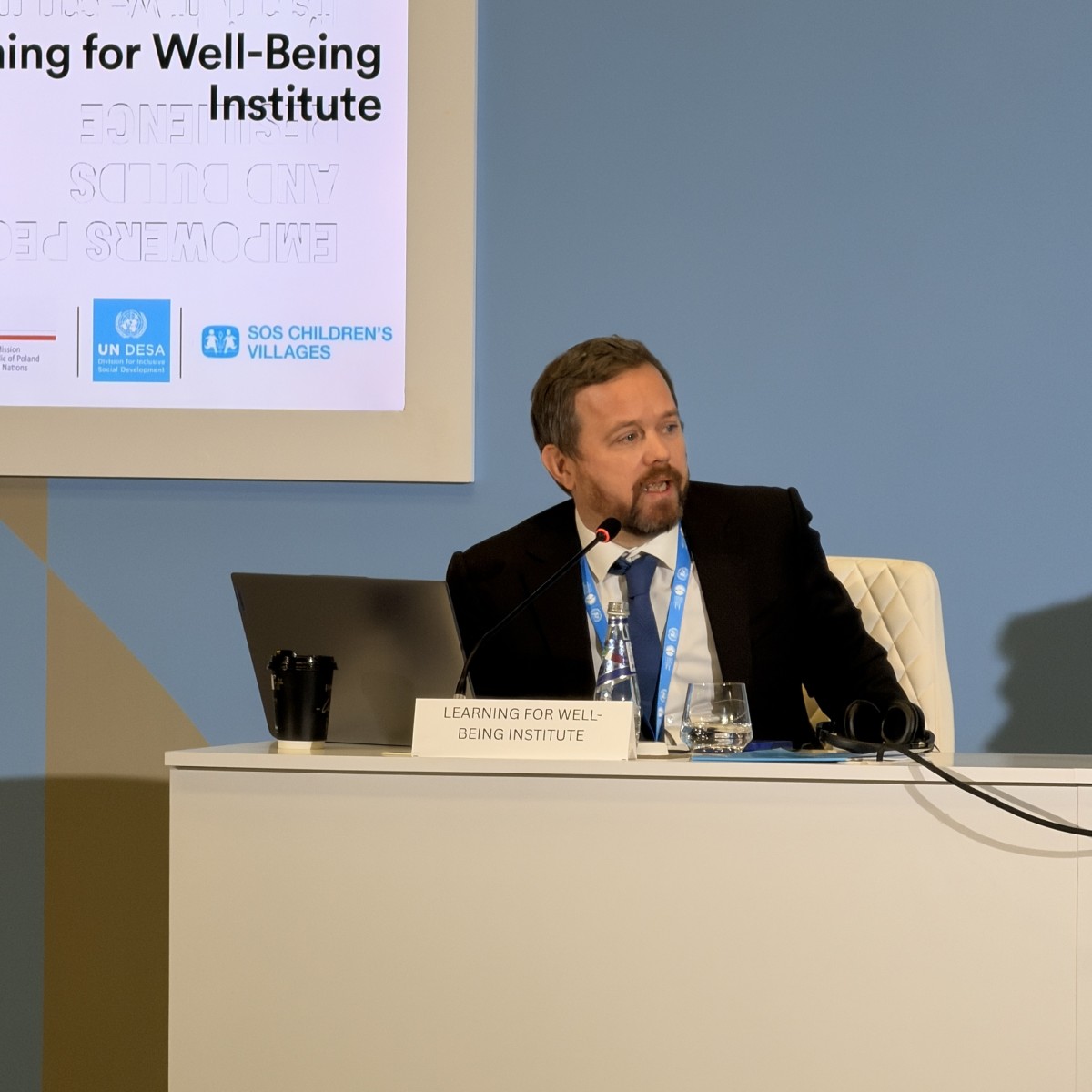
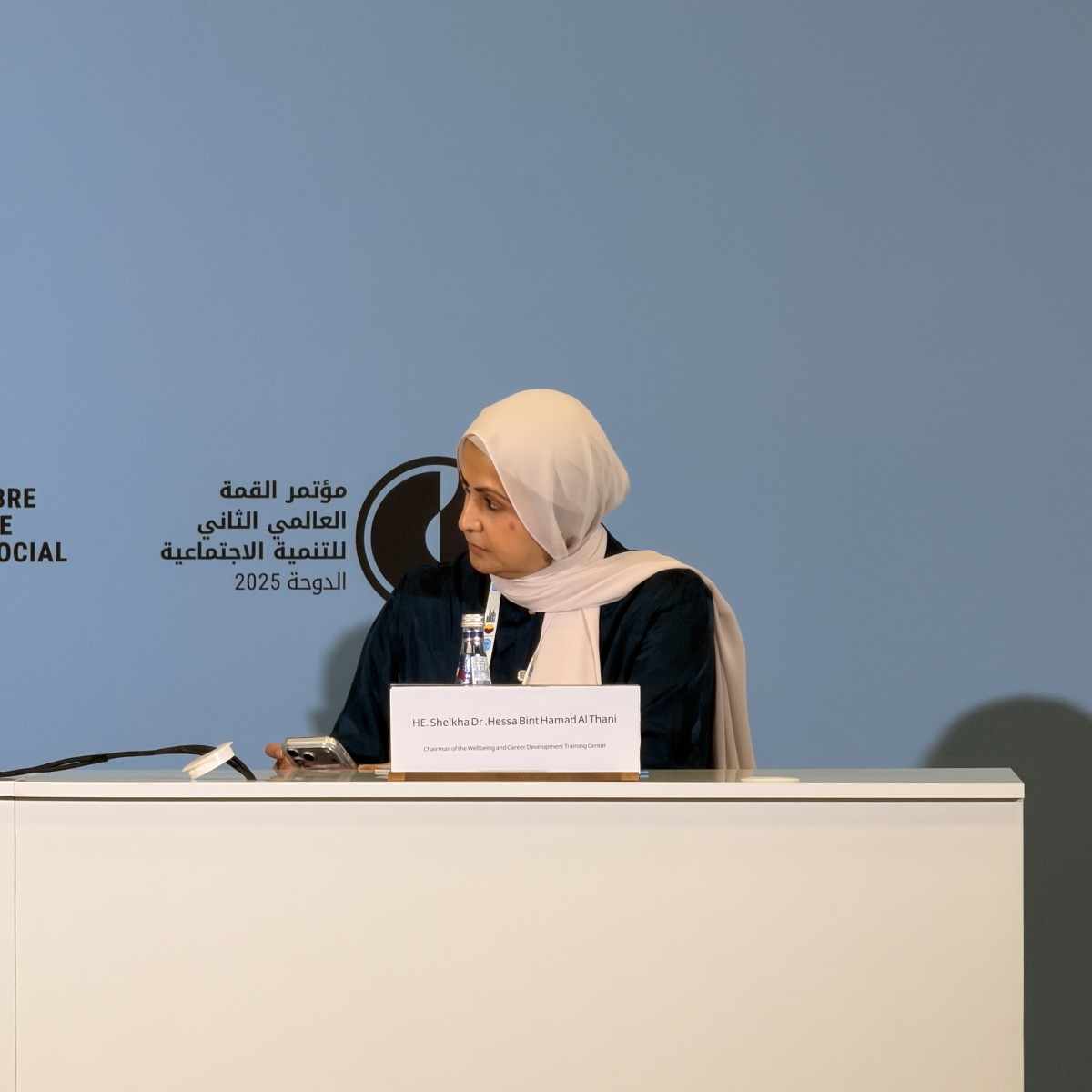
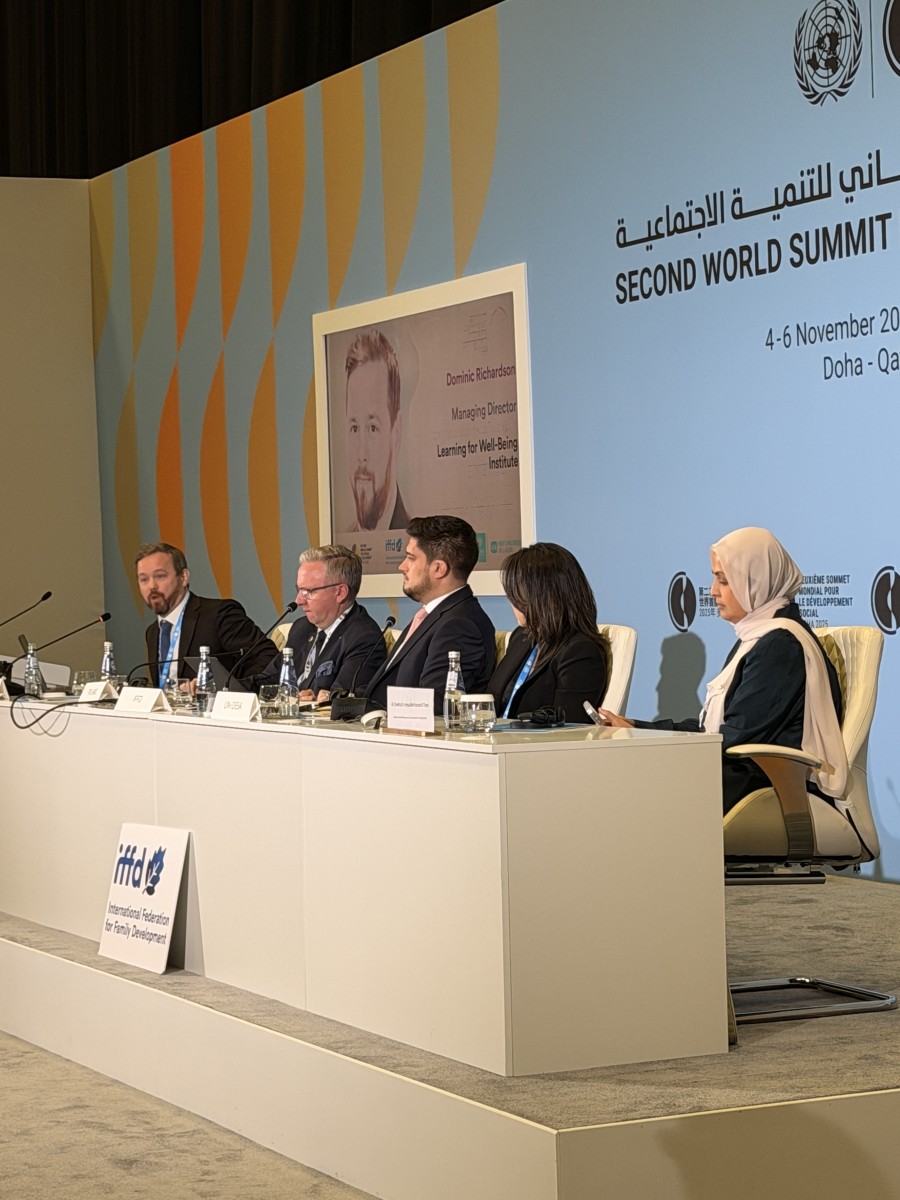
As countries undergo profound demographic transitions—including population ageing, declining fertility rates in most regions, and increased life expectancy—the need to strengthen care and support systems is becoming increasingly urgent. While some Member States have taken meaningful steps toward institutional solutions in care provision, others remain at varying stages of policy development. Although the family remains the primary and enduring provider of care across the life course—from early childhood to old age, many families face mounting challenges due to, inter alia, precarious economic conditions and rising mobility accompanying rapid urbanization.
Moreover, families—particularly parents and especially mothers—often bear the brunt of caregiving responsibilities, navigating the dual demands of caring for both younger and older generations without sufficient societal or policy support, such as adequate social protection systems. At the same time, care recipients, such as children and older persons, persons with disabilities, etc. have the right to care that is being unmet due to lack of investment in care service and family support.
This solutions session proposes a paradigm shift: placing the family at the center of the care and support system, itself strengthened by family-friendly care solutions. By leveraging best policies and practices from established systems, and drawing lessons from innovative solutions, we aim to promote a holistic, inclusive, and foresight approach to care that addresses the needs of all family members.
Goals
– Highlight successful models of care and support systems that prioritize family involvement and family-friendly policies.
– Facilitate dialogue between countries with mature systems and those at development stages.
– Promote cross-regional collaboration and knowledge sharing on care strategies in light of demographic and social trends.
– Strengthen partnerships between Member States and UN Agencies to integrate family-centered approaches into national and international frameworks for social development.
Key Themes and Challenges
– Building care systems that recognize, support, and redistribute unpaid care work among generations in the family
– Propose care systems in the context of demographic transformation, including the full portfolio of child and family policies that support families.
– Highlight The role of families as essential actors in delivering sustainable care
– Transitioning from institutional to family, community-based and gender-balanced care and support.
– Designing inclusive support structures for children, persons with disabilities, older persons, and caregivers
– Leveraging technology and innovation to support caregiving within families
Expected Outcomes and Solutions
– A shared vision for family-inclusive care and support systems aligned with the goals of the Second World Summit on Social Development.
– Identification of policy recommendations and scalable models adaptable to different national contexts.
– A call for stronger multi-stakeholder collaboration as a joint statement, including governments, civil society, the private sector, and UN bodies.
Agenda (TBC)
Opening Remarks

José Alejandro Vázquez
Director of International Relations
International Federation for Family Development (IFFD)

H.E. Krzysztof Szczerski
Permanent Representative to the United Nations
Republic of Poland

Masumi Ono
Chief – Social Inclusion and Participation Branch
DISD – UN-DESA
Introductory Remarks

Dominic Richardson
Managing Director
Learning for Well-being Institute
Global Investment in Child Development and Care Support
Regional Perspectives

Irwan Nadzif Mahpul
Senior Researcher & Head of the Evaluation Research Unit
Population and Family Research Division at the National Population and Family Development Board (LPPKN), Malaysia
Sustaining Family Well-Being through Care and Support Systems: The Malaysian Approach

Carren Ageng’o
Principal secretary
Ministry of Gender, Culture and Children Services
State Department for Children Services, Kenya
National Policy an Family Promotion and Protection

Monina JOsefina H. Romualdez
Office of the Undersecretary for Operations Group
Department of Social Welfare and Development, The Philippines
Parenting Support Programmes
Civil Society Perspectives

Ignacio Socias
Advocacy Talent Adquisition
IFFD
Youth Engagement and Local Networks

Phoukham Phetphouvong
Advocacy Coordinator for Laos
SOS Children’s Villages
Family Strengthening Programs

Elijah Bach
Co-Founder & CEO
Bach Family Foundation and Trust, Inc.
Capacity Building and Parenting Support

David Harris
Senior Research Fellow at
Center on Poverty and Social Policy
Columbia University in the City of New York
Bridging Family Policy and Care: from Beijing to Brussels